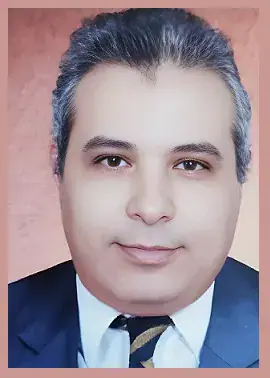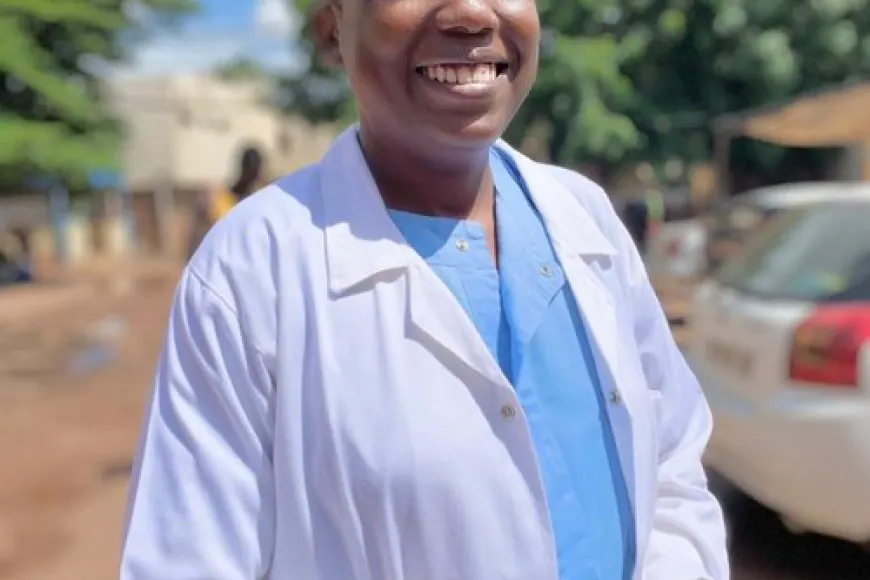
Dr. Assitan Sekou Salah Coulibaly, a Malian gynecologist-obstetrician, has emphasized the severe health risks associated with female genital mutilation (FGM). Despite awareness campaigns, FGM remains prevalent in some Malian communities. According to the World Health Organization (WHO), FGM involves the partial or total removal of female external genitalia for cultural, religious, or other reasons. Dr. Coulibaly notes that the type II FGM, which involves the partial or total removal of the clitoris and sometimes parts of the labia, is commonly practiced in Mali.
The immediate complications of FGM can be severe and include intense pain, hemorrhage, shock, urine retention, and trauma. In extreme cases, it can lead to death. Dr. Coulibaly stresses that these complications can have long-term effects on a woman's health, including infections, sexual and urinary problems, and obstetrical complications. The WHO distinguishes four types of FGM, and Dr. Coulibaly's work focuses on raising awareness about these risks and providing medical care to affected women.
Short-term complications of FGM include hemorrhage, acute urine retention, infections, and intoxication from traditional products. Long-term effects can be just as severe, with risks of infection from unsterilized instruments, problems with wound healing, urinary incontinence, and repeated genital infections. Dr. Coulibaly also notes that FGM can affect a woman's menstrual cycle, exacerbating pain during periods, and impact her sex life, causing pain during intercourse and reducing sexual pleasure.
FGM can also have significant repercussions during pregnancy and childbirth. Dr. Coulibaly warns of prolonged labor, postpartum hemorrhage, perineal and vulvar tears, and fistula formation. For the fetus, there is a risk of acute fetal distress and, in severe cases, perinatal death. These complications highlight the need for women who have undergone FGM to receive proper medical care and support.
Not all women who have undergone FGM will experience complications, but Dr. Coulibaly emphasizes the importance of medical consultation if any symptoms arise. These symptoms include persistent pain, urinary problems, repeated infections, menstrual difficulties, and complications related to pregnancy and childbirth. Women should not hesitate to seek medical help, even years after the FGM procedure.
The treatment for FGM-related complications varies depending on the nature of the complication. Dr. Coulibaly explains that surgical intervention, medical treatment, and psychological support are all crucial in addressing these issues. Surgical procedures may include suturing lesions or plastic surgery, while medical treatment may involve pain management, antibiotics, and emergency care in severe cases.
Dr. Coulibaly's practice has shown that the most common complications related to FGM include perineal and vulvar tears, particularly during childbirth. She stresses that proper medical care, including suturing and medication, can help alleviate these issues. Despite health alerts, FGM remains prevalent in some communities due to a lack of awareness about its risks.
Key points
- Dr. Assitan Sekou Salah Coulibaly urges women who have undergone FGM to seek medical consultation if they experience any symptoms or complications.
- FGM can lead to severe and long-lasting health complications, including pain, infections, and obstetrical issues.
- Raising awareness about the risks of FGM and providing proper medical care are crucial in addressing this health issue in Mali.