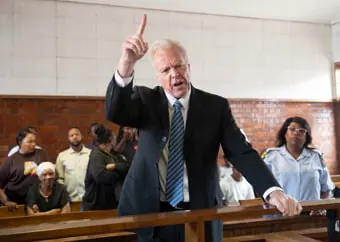
The recent comments made by British actor Dougray Scott have sparked a heated debate in South Africa. Scott, known for his role in the popular TV series "Desperate Housewives," expressed his views on the country's past and its people. According to reports, Scott stated that South Africa does not have to apologize to anyone for its history. His comments come at a time when the country is still grappling with the legacy of apartheid and racism.
Scott's remarks were met with a mixed reaction from South Africans, with some agreeing with his sentiments and others criticizing his views. The actor's comments were seen as a reflection of the complexities of South Africa's past and the ongoing struggles of its people. Many South Africans have been vocal about the need for the country to confront its past and work towards healing and reconciliation.
The debate sparked by Scott's comments highlights the ongoing challenges faced by South Africa in its efforts to come to terms with its history. The country's transition from apartheid to democracy has been marked by significant progress, but many challenges still remain. The issue of reparations and compensation for victims of apartheid continues to be a contentious topic, with many arguing that the government has not done enough to address the needs of those affected.
Scott's comments also raise questions about the role of foreigners in commenting on South Africa's past and its people. Some have argued that Scott's views are not informed by a deep understanding of the country's complex history and the experiences of its people. Others have defended his right to express his opinions, arguing that his comments can contribute to a more nuanced and informed discussion about South Africa's past.
The reaction to Scott's comments has also highlighted the ongoing tensions between South Africa and the international community. The country has faced criticism from abroad for its handling of various issues, including its response to the COVID-19 pandemic and its stance on human rights. Scott's comments can be seen as a reflection of these tensions and the ongoing debate about South Africa's place in the world.
Despite the controversy sparked by his comments, Scott's views have also been seen as a reflection of the changing attitudes and perspectives on South Africa's past. The country is increasingly engaging with its history and exploring new ways to address the legacies of apartheid and racism. Scott's comments can be seen as a contribution to this ongoing conversation and a reflection of the complexities and challenges faced by South Africa.
The debate sparked by Scott's comments is likely to continue, with many South Africans and international observers weighing in on the issue. As the country continues to grapple with its past and its people, it is clear that the conversation about its history and its place in the world will remain a contentious and complex one.
Key points
- Dougray Scott says South Africa doesn't have to apologize to anyone for its history.