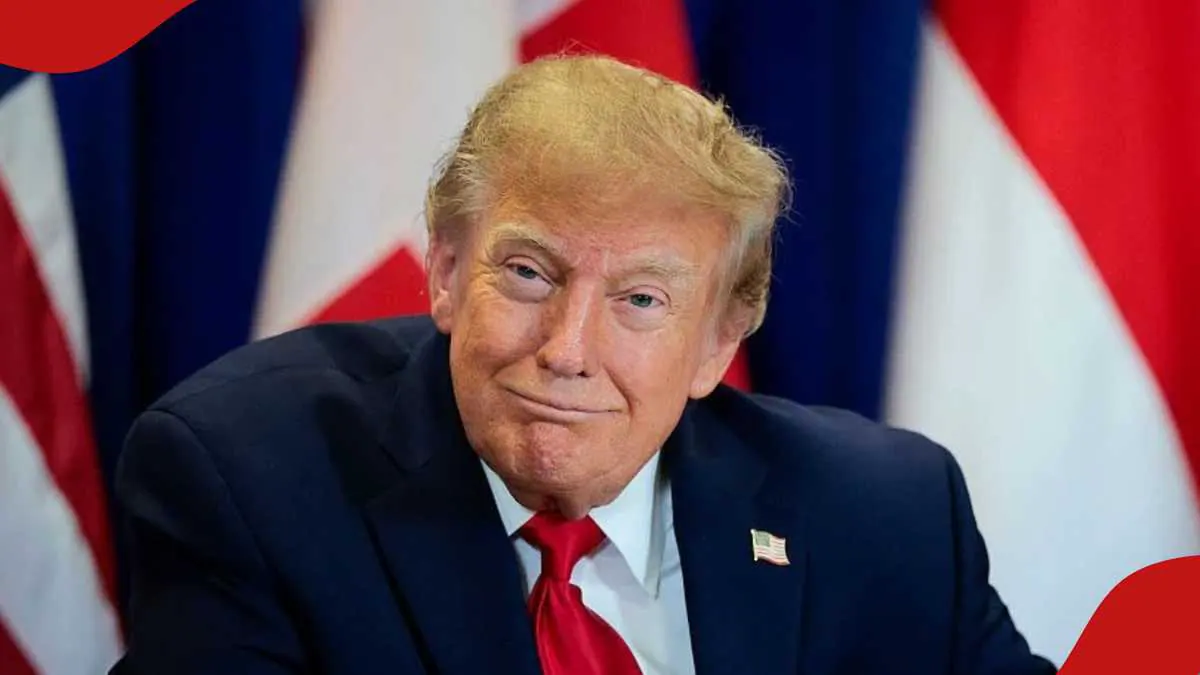
US President Donald Trump addressed the United Nations General Assembly, proposing a change in terminology for Artificial Intelligence (AI). He suggested replacing 'artificial intelligence' with 'super intelligence', arguing that the term 'artificial' undermines the capabilities of the technology. According to Trump, the existing term implies that the intelligence is fabricated or fraudulent, which he believes is not the case.
Trump emphasized that the technology is 'amazing' and deserves a more accurate label. He proposed that the new term be referred to as 'super intelligence' or 'SI'. The US President called on the rest of the world to adopt the new terminology across all official documents. He stated that from that point forward, all United States documents, and hopefully the world's, would be changed to use the term 'super intelligence'.
The President acknowledged uncertainty about whether the rebranding would gain traction globally. He expressed his willingness to see if he had any power in implementing this change, stating, "Let's see if I have any power. Maybe I do, and maybe I don't. We're going to find out pretty soon." Trump's proposal was met with a mixed reaction, with no immediate response from other world leaders.
Trump's address to the UN General Assembly covered a range of topics, including a potential diplomatic deal with Iran. He stated that a deal was still possible, but warned that his alternative approach would be to "annihilate the Islamic Republic." This statement was made as tensions between the US and Iran continue to escalate.
In addition to AI and Iran, Trump discussed US munitions stockpiles and outlined plans to establish a military presence in Greenland. He participated in a trilateral signing ceremony to formalize a new security agreement relating to Greenland. The US President also held meetings with various leaders, including Ukrainian President Volodymyr Zelenskyy and Venezuela's acting president, Delcy Rodríguez.
Reports emerged that Trump had privately expressed openness to meeting Iranian officials on the sidelines of the General Assembly, provided conditions were favourable. However, the Iranian delegation walked out of the chamber as Trump began addressing the country's recent military situation, with only one delegate remaining seated.
The proposal to rename AI as 'super intelligence' has sparked debate about the role of language in shaping perceptions of technology. While some may view the change as merely semantic, others see it as an attempt to rebrand and reframe the conversation around AI. The impact of Trump's proposal remains to be seen, as the world waits to see if the term 'super intelligence' will gain widespread acceptance.
Key points
- Donald Trump proposes renaming Artificial Intelligence to Super Intelligence at the UN General Assembly.
- Trump argues that the term 'artificial' implies that the intelligence is fabricated or fraudulent.
- The proposal has sparked debate about the role of language in shaping perceptions of technology.