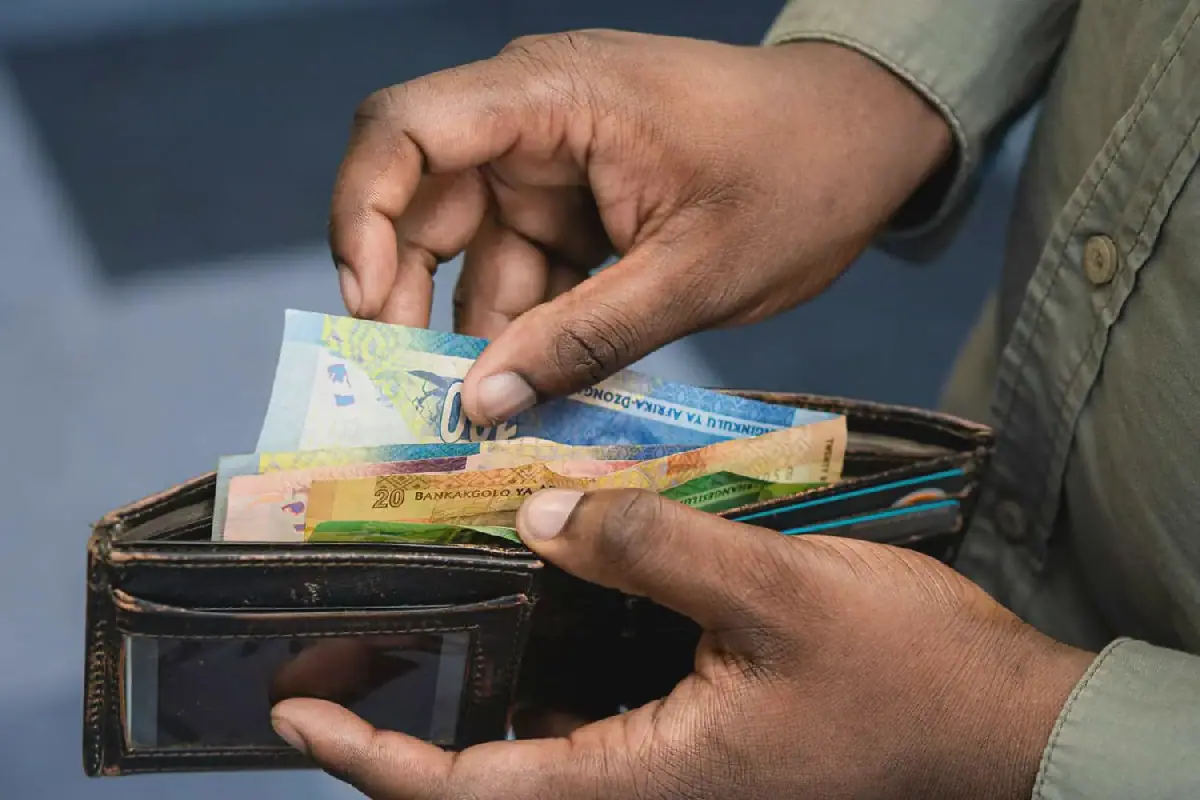
Domestic workers in South Africa are finding it increasingly difficult to make ends meet as the cost of living continues to outpace their wages. The Pietermaritzburg Economic Justice and Dignity Group (PMBEJD) has highlighted the plight of these workers, who earn the national minimum wage and struggle to afford basic necessities such as food, electricity, and transport. According to PMBEJD, the current minimum wage is insufficient to provide domestic workers and their dependents with a decent standard of living.
The national minimum wage in South Africa increased from R28.79 to R30.23 an hour on March 1, 2026, but this adjustment has not closed the gap between wages and the cost of basic necessities. The PMBEJD's October 2026 Household Affordability Index revealed that the average household food basket stood at R5,512.53, while the Pietermaritzburg food basket was R5,207.31. This means that a general worker earning R30.23 an hour would take home R5,320.48 for 22 working days of eight hours each, falling short of the average food basket cost before accounting for transport, electricity, water, and other household expenses.
The pressure on domestic workers is further exacerbated by the cost of commuting, with workers travelling from areas such as Edendale and Imbali facing a return trip to Pietermaritzburg costing about R48. This can bring their daily transport expenses to approximately R100, a significant amount for workers already struggling to meet their needs. According to Statistics South Africa's September 2026 Consumer Price Index, annual inflation stood at 4.5%, with transport inflation at 10.8% and housing and utilities increasing by 5.2%.
Sibusiso Mboto, advocacy coordinator at PMBEJD, emphasized that a fair and sustainable wage should reflect the actual cost of living and allow workers to afford nutritious food, pay for water and electricity, cover transport expenses, and put some money aside for savings. He called on policymakers to strengthen enforcement of minimum-wage legislation and ensure future increases take living expenses into account. Employers, he suggested, should also consider paying above the statutory minimum where possible.
The PMBEJD's research has shown that one income often has to support several family members, adding to the pressure on workers who are already struggling to meet their own needs. Mboto pointed out that when middle-class South Africa complains about high living costs, it is essential to bear in mind that there are people who are in the low-income category and facing significant financial challenges.
The issue of poverty wages for domestic workers is a complex one, requiring a multifaceted approach to address. The PMBEJD is advocating for a more comprehensive review of the minimum wage to ensure that it is aligned with the actual cost of living. This would involve engaging with various stakeholders, including policymakers, employers, and workers, to find a solution that works for all parties.
Ultimately, the goal is to ensure that domestic workers in South Africa can earn a decent wage that allows them to live with dignity. As Mboto noted, this requires a commitment from policymakers and employers to prioritize the needs of low-income workers and ensure that their wages keep pace with the rising cost of living. By working together, it may be possible to create a more equitable and sustainable system for domestic workers and their families.
Key points
- Domestic workers in South Africa earn poverty wages despite recent increases in the national minimum wage.
- The cost of living in South Africa continues to outpace wages, leaving low-income households struggling to make ends meet.
- Policymakers and employers are being called upon to strengthen enforcement of minimum-wage legislation and ensure future increases take living expenses into account.