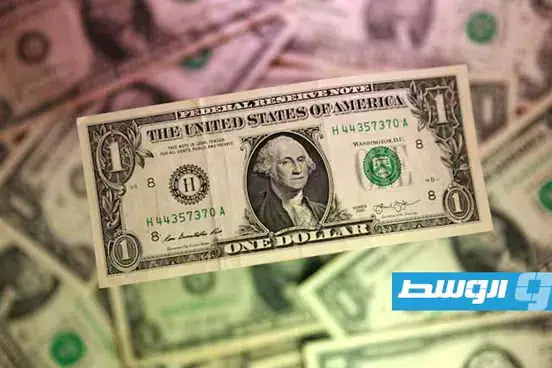
The US dollar experienced a significant surge against the Libyan dinar in the parallel market on Wednesday, reaching 11.52 dinar from 11.18 dinar the previous day. This represents a notable increase in the value of the dollar compared to the dinar. The surge was reported by various traders and social media pages focused on the parallel market. The euro and British pound also saw increases, rising to 12.45 dinar and 14.15 dinar, respectively.
In addition to the dollar, euro, and pound, other currencies also experienced changes in the parallel market. The Turkish lira and Tunisian dinar remained stable at 0.18 dinar and 2.60 dinar, respectively. Meanwhile, the price of 18-karat gold decreased to 960 dinars per gram from 970 dinars the previous day. These fluctuations reflect ongoing changes in the Libyan currency market.
In contrast to the parallel market, the official market saw relatively stable exchange rates. The dollar remained steady at 6.48 dinar, while the euro and pound increased slightly to 7.08 dinar and 8.47 dinar, respectively. These rates were reported by the Central Bank of Libya. The Saudi riyal, UAE dirham, and Tunisian dinar also maintained their previous rates.
The Central Bank of Libya reported that the exchange rates for several currencies remained stable or experienced minor fluctuations. The Saudi riyal and UAE dirham stood at 1.72 dinar and 1.76 dinar, respectively. The Tunisian dinar was at 2.10 dinar, while the Turkish lira and Chinese yuan remained at 0.12 dinar and 0.97 dinar, respectively.
The fluctuations in the parallel market may be attributed to various economic factors, including changes in global currency values and domestic market conditions. The Libyan economy has faced significant challenges in recent years, including conflict and instability. These factors can impact the value of the dinar and other currencies in the country.
The Central Bank of Libya plays a crucial role in managing the country's currency market. The bank's efforts to maintain stability in the exchange rates and control inflation are essential for the country's economic development. However, the parallel market continues to operate outside of the central bank's control, leading to disparities in exchange rates.
The surge in the dollar's value against the dinar in the parallel market may have implications for Libyan citizens and businesses. A stronger dollar can make imports more expensive, potentially leading to higher prices for goods and services. This, in turn, can affect the overall economy and the standard of living for Libyans.
Key points
- The dollar surged to 11.52 dinar in the parallel market on Wednesday.
- The euro and pound also saw increases in the parallel market.
- The Central Bank of Libya reported stable exchange rates in the official market.
Reporting sources
- قفزة للدولار أمام الدينار في السوق الموازية · Wasat TV