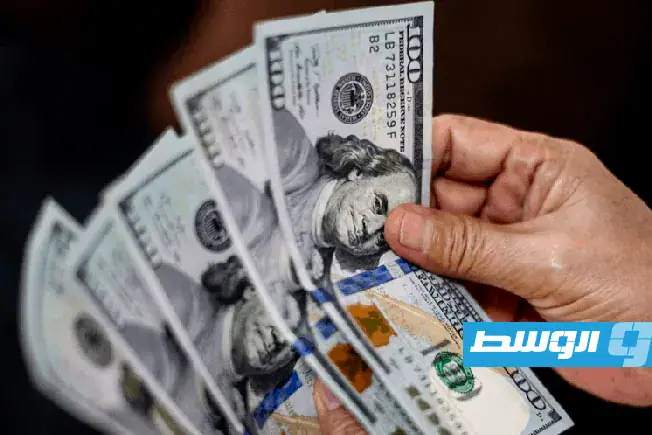
The US dollar saw a significant rise in Libya's parallel market, climbing 24 para over the course of the past week. By the close of trading on Thursday, October 29, 2026, the dollar stood at 9.92 Libyan dinars, up from 9.68 dinars at the end of trading on Saturday, October 24, 2026. This recent surge followed earlier fluctuations, with the dollar reaching 9.92 dinars on Sunday, October 25, before dropping to 9.84 dinars on Monday, October 26.
Throughout the week, the dollar experienced considerable volatility in the parallel market. On Tuesday, October 27, it rose to 9.92 dinars before falling to 9.90 dinars on Wednesday, October 28. The currency ultimately closed the week at 9.92 dinars. Such fluctuations highlight the dynamic nature of Libya's parallel market, where exchange rates can shift rapidly due to various economic factors.
In contrast to the parallel market, the official exchange rate in Libya remains relatively stable. According to the latest data from the Central Bank of Libya, as of Thursday, October 29, 2026, the average exchange rate for the dollar stood at 6.43 dinars. This significant disparity between the official and parallel market rates underscores the complexities of Libya's foreign exchange landscape.
The Central Bank of Libya, based in Tripoli, plays a crucial role in managing the country's foreign exchange reserves and setting official exchange rates. However, the parallel market continues to operate outside the purview of official regulatory bodies, often reflecting a more realistic valuation of the Libyan dinar against foreign currencies.
The ongoing fluctuations in the parallel market have implications for Libyan consumers and businesses. Importers, in particular, face challenges in securing foreign currency at favorable rates, which can impact the prices of goods and services in the domestic market. Furthermore, the volatility in exchange rates may affect the purchasing power of Libyans.
Libya's economic challenges, including the presence of a large parallel market, are reflective of broader issues related to economic instability and the country's ongoing efforts to rebuild and recover. The situation underscores the need for comprehensive economic reforms and measures to stabilize the national currency.
As Libya continues to navigate its complex economic landscape, the dynamics of the parallel market will likely remain a key area of focus for policymakers, economists, and the general public. The Central Bank of Libya and other relevant authorities will need to closely monitor these developments to ensure economic stability and mitigate the impact of exchange rate fluctuations on the broader economy.
Key points
- The dollar rose by 24 para in Libya's parallel market over the past week, reaching 9.92 dinars by the end of Thursday, October 29, 2026.