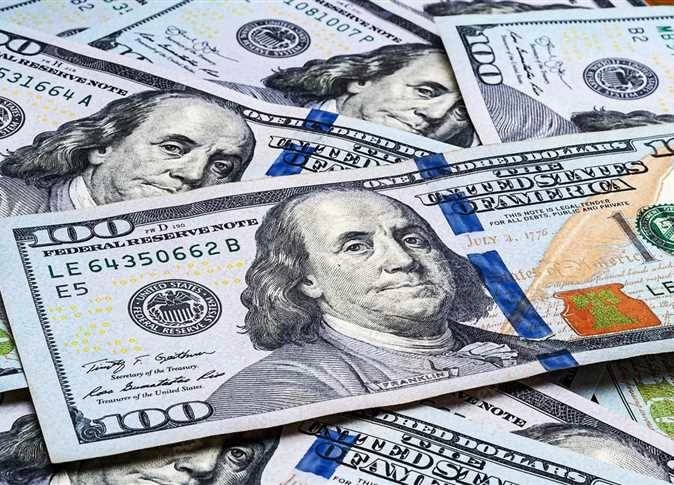
The dollar rose globally on Monday, buoyed by sustained high US Treasury yields and a decline in the euro. Despite reduced expectations for a US Federal Reserve interest rate hike this month, the dollar's ascent was fueled by ongoing uncertainty surrounding inflation and potential monetary policy tightening. According to data released last week, US job growth slowed in September more than anticipated.
The slowdown in job growth, coupled with significant downward revisions to job additions in the previous two months, bolstered market perceptions that the Federal Reserve may forego an interest rate hike in October. Expectations for a rate increase this month have dwindled to under 20%, down from 64% the previous week, as per the CME FedWatch tool. However, markets still anticipate a potential rate hike in December.
The reduced likelihood of an October rate hike contributed to a 2.5% surge in Japan's Nikkei index and a 0.9% increase in the broader MSCI Asia-Pacific index, excluding Japan. US futures also saw gains, with Nasdaq futures rising 0.17%, while S&P 500 futures remained steady and Euro Stoxx 50 and FTSE futures climbed 0.3% and 0.4%, respectively.
In the currency market, the euro plummeted to its lowest level in 17 months, reaching $1.1185, marking a 0.6% decline amid French financial concerns. Conversely, the dollar strengthened against the Japanese yen by 0.12% to 158.01 yen and edged up against the British pound by 0.25% to $1.3205.
The bond market saw relative stability, with a slight decrease in the 10-year US Treasury yield to 5.2579% and a 4.8059% yield on two-year bonds. Nevertheless, yields in major economies remain near multi-year highs due to pressures from deteriorating government finances, increased issuance, and higher energy costs.
The dollar's rise was further supported by its safe-haven appeal amid global economic uncertainty. Investors are closely monitoring forthcoming economic data and Federal Reserve communications for clues on future monetary policy actions. The ongoing strength of the US economy and its implications for interest rates continue to influence currency markets.
As the global economic landscape evolves, currency fluctuations are expected to persist. Market participants will likely remain cautious, adjusting their positions in response to shifting expectations regarding interest rates and economic growth. The interplay between US monetary policy and global market dynamics will continue to shape currency trends in the near term.
Key points
- The dollar strengthened globally due to rising US Treasury yields and a decline in the euro.
- Expectations for a US Federal Reserve interest rate hike in October have decreased to under 20%.
- The global economic outlook and US monetary policy will continue to influence currency markets.