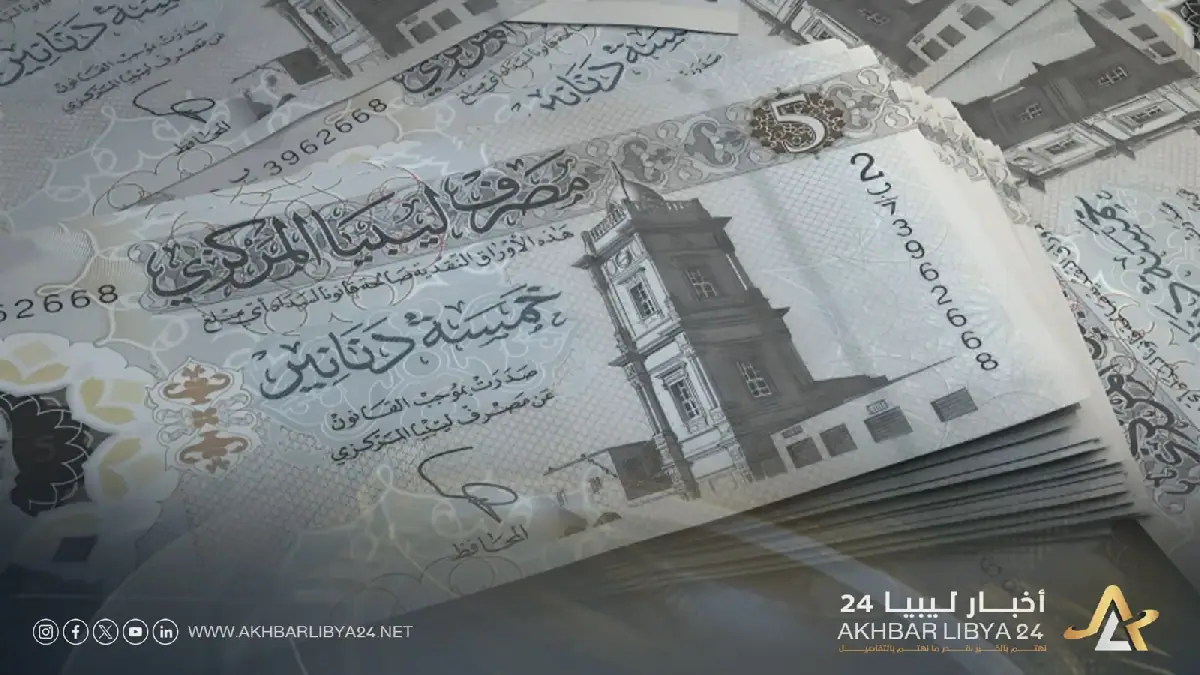
The US dollar has reached 10.97 dinars in Libya's parallel market, with the banknote trading at 11.14 dinars, according to data published by Ali Al-Sharif on November 23, 2026. This development comes amid ongoing pressure on the foreign exchange market, fueled by concerns over the economic and political situation in the country. The rising dollar value has sparked warnings of potential further devaluation of the local currency.
The current market trends reflect the challenges faced by Libya's economy, which is grappling with a shortage of foreign currency and a widening gap between official and parallel exchange rates. The parallel market plays a significant role in Libya, as many transactions occur outside the formal banking system. The recent surge in dollar prices has raised concerns about the potential impact on import costs, business activities, and local commodity prices.
Economic experts, like Ali Al-Sharif, attribute the current crisis to a combination of factors, including the broader economic and political environment. Al-Sharif suggests that addressing these imbalances requires a comprehensive approach that considers the various factors influencing the market. He also warns of a possible further devaluation of the Libyan dinar in the near future, given the ongoing challenges.
The Libyan economy has faced significant hurdles in recent years, including a decline in oil production, a key source of revenue for the country. The ongoing political instability has also hindered efforts to implement economic reforms and stabilize the currency. As a result, the Central Bank of Libya and other authorities have been working to manage the foreign exchange market and maintain financial stability.
The recent developments in the parallel market have sparked concerns about the potential consequences for businesses and individuals relying on imports. A weaker dinar could lead to higher prices for essential goods, exacerbating the economic challenges faced by many Libyans. The situation is being closely monitored by economic analysts, who are warning of potential further depreciation of the local currency.
The authorities in Libya are facing mounting pressure to address the economic challenges and stabilize the currency. Any further devaluation of the dinar could have significant implications for the country's economic stability and the well-being of its citizens. The international community is also watching the situation closely, as developments in Libya can have regional and global implications.
As the situation in Libya continues to unfold, experts are advising caution and emphasizing the need for a comprehensive approach to address the economic challenges. This includes implementing reforms to promote economic stability, improving the business environment, and addressing the ongoing political instability. The road to recovery is expected to be long and challenging, but with the right policies and international support, Libya can work towards economic stability and prosperity.
Key points
- The dollar has reached 10.97 dinars in Libya's parallel market, with the banknote trading at 11.14 dinars.
Reporting sources
- الدولار يلامس 11 دينارًا في السوق الموازية الليبية · Akhbar Libya 24