The Directorate of Mobilisation and Integration (DMI) has initiated consultations with various political and institutional stakeholders on potential alliances ahead of the 2027 general elections. This move follows a national strategy meeting where the organisation's leadership reviewed the ongoing leadership crisis in the Labour Party, court cases, and its political strategy. The virtual meeting, attended by over 150 state coordinators and 55 participants via WhatsApp, was presided over by DMI Director-General, Marcel Ngogbehei.
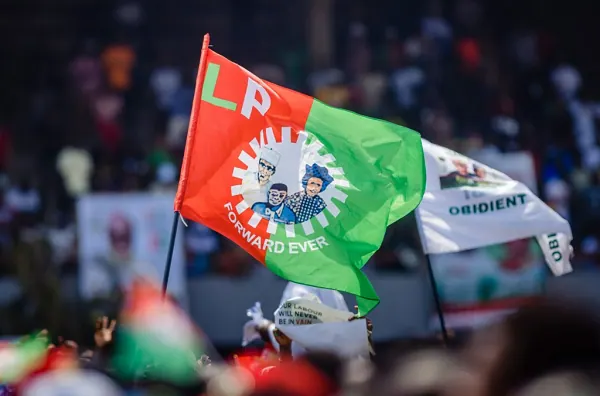
The DMI has mandated Ngogbehei and its leadership team to explore new political and institutional partnerships ahead of 2027. However, the organisation clarified that this move does not constitute a declaration of a new political alliance. The DMI will maintain its strategic relationship with the National Executive Committee (NEC) of the Labour Party, led by Julius Abure, while engaging other political parties and institutions on possible areas of cooperation.
The consultations are necessary due to changing political circumstances and the need to protect the interests of DMI members, coordinators, and volunteers. The organisation stressed that its relationship with the Labour Party is a strategic partnership, not an organisational merger. This partnership evolved from cooperation between the Labour Party and the Obidient Movement ahead of the 2023 general elections.
The DMI reviewed the protracted leadership crisis in the Labour Party involving Abure, Senator Nenadi Usman, Peter Obi, and Abia State Governor, Alex Otti. The participants examined disagreements over party leadership, internal processes, and zoning, as well as the possible effect on grassroots members and volunteers who supported the party during the 2023 elections. The prolonged crisis has created uncertainty around a political platform into which many Nigerians have invested their time, resources, and expectations.
The DMI discussed Obi's subsequent move to the Nigeria Democratic Congress (NDC), particularly the zoning arguments that featured prominently during the Labour Party crisis. The organisation questioned how the zoning arguments advanced during the Labour Party dispute should be assessed against the political arrangement that subsequently emerged within the NDC. The issue requires further discussion, particularly regarding the consistency and application of zoning principles.
On the ongoing litigation over the Labour Party leadership, the DMI identified three possible outcomes. The Supreme Court could restore Abure to the party leadership, affirm Usman's leadership, or determine the limits of judicial intervention in internal party affairs. The organisation resolved to maintain its organisational structures while the legal process runs its course and prepare for different lawful outcomes while respecting binding court decisions and applicable electoral laws.
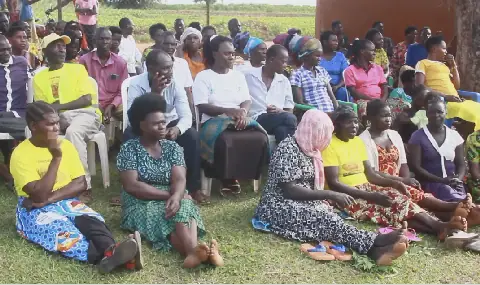
The DMI presented an update on its nationwide organisational structure, currently having over 500 state and Federal Capital Territory coordinators, as well as over 11,000 coordinators across the country's 774 Local Government Areas. The organisation aims to build citizen-led institutions capable of sustaining their missions even when political parties or individual leaders change direction. The DMI's mission remains broader than any single political partnership, pledged to preserve its nationwide structure and promote citizen participation in governance.
Key points
- The DMI has begun consultations with political stakeholders on potential alliances ahead of the 2027 general elections.
- The organisation will maintain its strategic relationship with the Labour Party while engaging other political parties and institutions.
- The DMI aims to build citizen-led institutions capable of sustaining their missions.