The government of Djibouti has bolstered its veterinary surveillance in response to the return of nearly 4,200 cattle, 500 camels, and 1,000 goats from Ethiopia. This significant movement of livestock marks a crucial period for pastoral communities and the livestock sector. The Ministry of Agriculture, led by Minister Radwan Abdillahi Bahdon, has intensified veterinary measures at entry points and along transhumance corridors to ensure the health and safety of the national livestock.
The transboundary movement of livestock is a traditional practice in the region, with communities relying on it for their livelihood. However, it also poses health risks due to the potential spread of animal diseases. In light of this, the Ministry of Agriculture has prioritized strengthening veterinary controls. This includes verifying the origin of animals, conducting clinical inspections, and ensuring the identification, traceability, and sanitary documentation of livestock.
To effectively monitor and manage the movement of livestock, the Ministry is working closely with Ethiopian veterinary services. This collaboration aims to facilitate the rapid exchange of health information and harmonize surveillance measures to mitigate transboundary health risks. The Ministry's efforts are guided by the "One Health" principle, which recognizes the interconnection between animal health, human health, food security, and the environment.
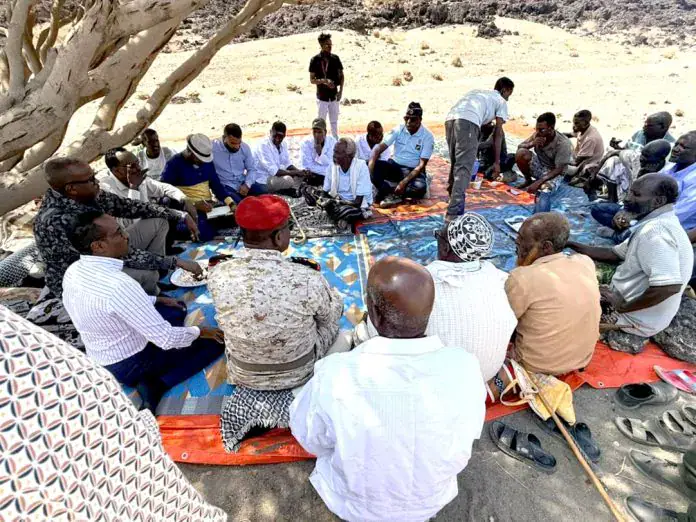
Minister Radwan Abdillahi Bahdon recently visited pastoral communities to assess their needs and provide veterinary assistance. The visit allowed the Minister to engage with local leaders, gather insights into the challenges faced by herders during this period of pastoral mobility, and offer support. This hands-on approach underscores the government's commitment to supporting pastoral communities and ensuring the well-being of their livestock.
In addition to strengthening veterinary surveillance, the government has issued a public appeal for road users to exercise caution when encountering livestock on the roads. From November 4 to 12, 2026, motorists are advised to slow down, maintain a safe distance, and avoid sudden maneuvers that could startle animals, especially at night or in areas with limited visibility.
The large-scale movement of livestock has significant economic implications for pastoral communities, as livestock represent a vital source of income and a safeguard against climate-related risks. Protecting the health and well-being of these animals is therefore crucial for food security and national resilience. The government's proactive measures aim to balance the traditional practice of transhumance with the need to mitigate potential health risks.
The enhanced veterinary surveillance and public awareness campaign are part of a broader strategy to promote sustainable pastoral practices and safeguard the livelihoods of communities dependent on livestock. By prioritizing animal health and safety, the government of Djibouti is working to ensure the long-term resilience of its pastoral sector.
Key points
- The government of Djibouti has strengthened veterinary surveillance to monitor and protect livestock health amid a large-scale transboundary movement of nearly 4,200 cattle, 500 camels, and 1,000 goats from Ethiopia.