Djibouti has been presented as a "genuine open-air laboratory" for water and sanitation technologies. The country's unique environmental conditions, characterized by heat, salt, sand, and humidity, make it an ideal location for testing and developing innovative solutions. Mohamed Fouad Abdo, head of the National Water and Sanitation Office of Djibouti (ONEAD), highlighted the challenges posed by the country's climate, including corrosion, clogging, and thermal stress on materials and installations.
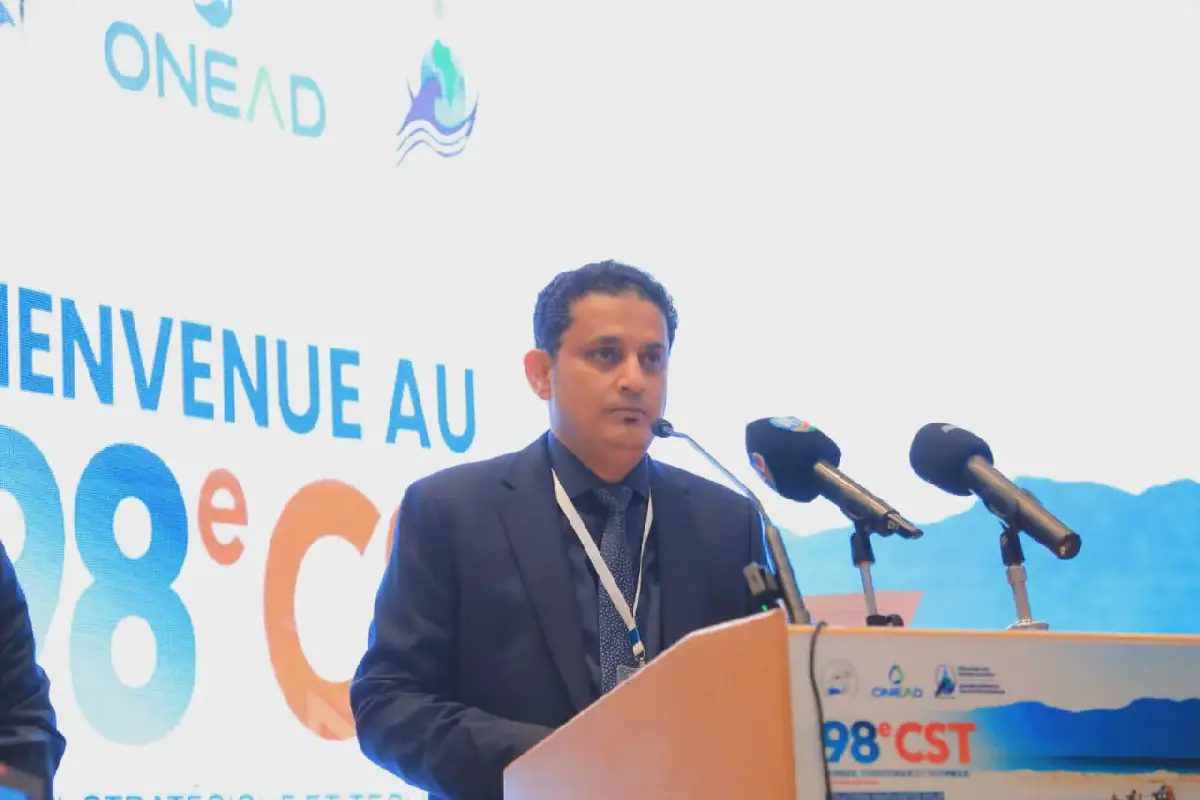
The 98th session of the Strategic and Technological Council of the African Water and Sanitation Association (AAEA) was held in Djibouti, with the theme of "innovative solutions for sanitation and water security in Africa." The event brought together ministers, diplomats, and funders from across the continent. Abdo emphasized the need for robust and easy-to-maintain equipment to address the country's water and sanitation challenges.
Djibouti has implemented several innovative solutions to address its water and sanitation needs. A vacuum sewer system, known as VACUVIDE, has been installed in one of the capital city's neighborhoods, making it the first such system on the continent. The system avoids the need for deep excavation in coastal areas where the water table is high. The country is also relying on three sources to secure its water supply: boreholes, an interconnection with neighboring Ethiopia, and a desalination plant in Doraleh.
The interconnection with Ethiopia is largely automated and remotely controlled, and a turbine installed in a pipeline is already generating electricity from the water flow using Hydroforce technology. The National Water and Sanitation Office is also set to test the SMART OASIS project, which aims to produce water from air humidity. In addition, the office is working to expand sanitation infrastructure, including the construction of new stations and the extension of existing networks.
Abdo emphasized the importance of using treated wastewater for agricultural irrigation. He also highlighted the need for capacity building and training for office staff to ensure the effective maintenance of new technologies. The office has been working with a group led by French company Veolia, which has been providing technical assistance as part of the PROSPERO project funded by the French Development Agency (AFD).
The National Water and Sanitation Office has received support from several donors, including the AFD, the European Union, the African Development Bank, and Arab funds. Abdo expressed gratitude to these donors and suppliers who have provided equipment, often in urgent situations and with flexible payment terms. He emphasized the importance of building trust with suppliers to quickly restore water services or prevent wastewater overflows.
The innovative solutions being implemented in Djibouti aim to address the country's unique water and sanitation challenges. The country's experience and expertise in this area can serve as a model for other African countries facing similar challenges. The African Water and Sanitation Association's council meeting in Djibouti provided a platform for experts and stakeholders to share knowledge and best practices in addressing water and sanitation challenges.
Key points
- Djibouti's unique environmental conditions make it an ideal location for testing and developing innovative water and sanitation solutions.
- The country has implemented several innovative solutions, including a vacuum sewer system and a desalination plant.
- The National Water and Sanitation Office is working to expand sanitation infrastructure and promote the use of treated wastewater for agricultural irrigation.
Reporting sources
- « Mon pays constitue un véritable laboratoire à ciel ouvert de l'eau », affirme Mohamed Fouad Abdo · agence djiboutienne d'information