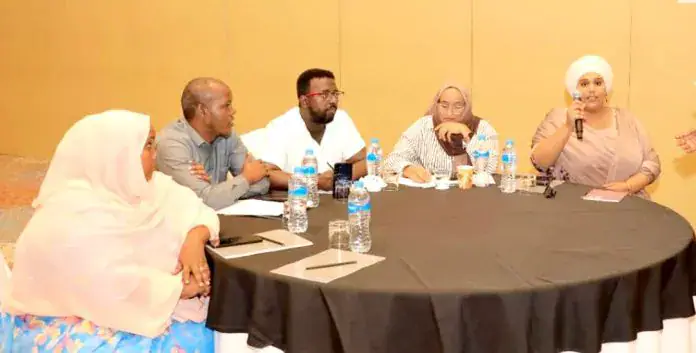
The government of Djibouti has taken a significant step towards strengthening family protection and support by launching a national family policy. This initiative aims to address the challenges faced by households in the country, including social vulnerabilities, economic difficulties, and new challenges that threaten family stability. The policy was launched at a workshop held at the Kempinski Hotel, organized by the Ministry of Women and Family, in partnership with SOS Villages d'Enfants.
The national family policy is designed to provide a strategic framework for protecting and supporting families in Djibouti. The policy recognizes the importance of the family as a fundamental institution in society, responsible for socialization, education, and the transmission of values. However, families in Djibouti face numerous challenges, including poverty, educational difficulties, child vulnerability, domestic violence, and migration. The policy seeks to address these challenges by providing a comprehensive and coordinated response.
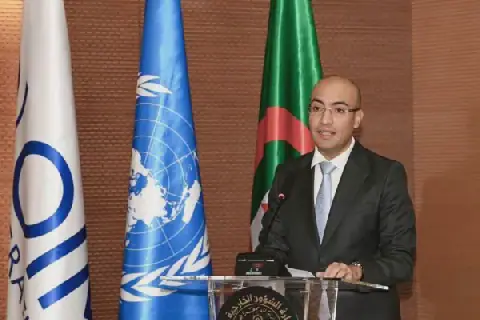
The workshop brought together institutional actors and concerned partners to launch the participatory process of elaborating the National Family Policy. The ceremony was presided over by the Secretary General of the Ministry of Women and Family, Anissa Hassan Bahdon, and attended by the National Director of SOS Villages d'Enfants, Omar Dileita, as well as representatives of public institutions and concerned partners. The policy aims to strengthen the protection of children by supporting their families and reinforcing their capacities.
According to Omar Dileita, the director of SOS Villages d'Enfants, protecting a child also means supporting their family and strengthening their capacities. He emphasized that the policy should not be limited to addressing vulnerability situations but should also act on the family and social environment. The policy should become a tool for orienting public action, producing tangible and lasting changes in the lives of Djiboutian families.
The elaboration of the national family policy represents an opportunity to assess the situation of families in Djibouti, identify the main challenges, and define adapted orientations. The policy aims to construct a common vision and better coordinate the interventions of different actors. It also seeks to address the situations of vulnerability, including poverty, disability, migration, and displacement.
Anissa Hassan Bahdon, Secretary General of the Ministry of Women and Family, emphasized that the family is the fundamental foundation of Djiboutian society. She recalled the role of the family in education, socialization, transmission of values, and construction of living together. The policy aims to reinforce the accompaniment of households, promote family values, consolidate protection mechanisms, and favor an environment where each family member can live with dignity, security, and respect for their rights.
The national family policy is expected to be a multisectoral response to family challenges, involving various government departments, technical and financial partners, and civil society organizations. The policy's success will depend on the mobilization of all stakeholders around this approach. Key points of the policy include a comprehensive and coordinated response to family challenges, strengthening family protection and support, and promoting family values and well-being.
Key points
- The policy aims to address social vulnerabilities and promote family well-being in Djibouti.
- The policy recognizes the importance of the family as a fundamental institution in society.
- The policy seeks to provide a comprehensive and coordinated response to family challenges.