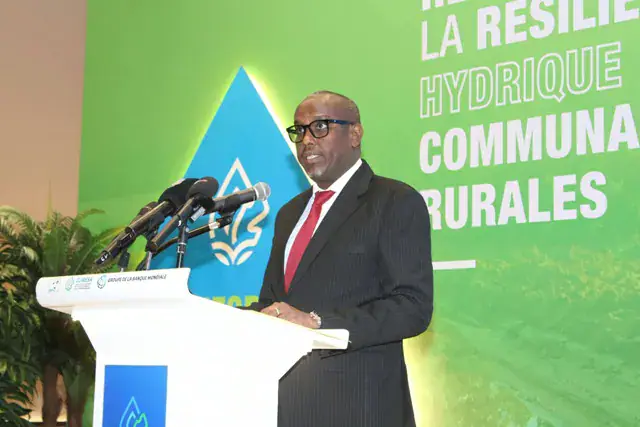
The government of Djibouti has officially launched the DJIRESA project, a comprehensive initiative designed to enhance sustainable water resource management and governance in the country. The project was launched by Minister of Agriculture, Water, Fisheries, and Livestock, Redwan Abdallah Bahdoon, in the presence of several officials and stakeholders. The project aims to address the challenges facing the water sector and ensure a more sustainable future for the country's water resources.
The DJIRESA project has received funding of $35 million from the International Development Agency, a member of the World Bank Group. This partnership reflects the government's commitment to working with international financial institutions to support national efforts to modernize the water sector and develop more effective management tools. The project will focus on developing a comprehensive master plan for water resources, which will serve as a strategic reference for determining future directions and priorities for the sector.
One of the key components of the DJIRESA project is the development of a proactive and regular approach to water resource management, based on scientific data and specialized technical studies. This will enable the government to improve its ability to monitor challenges related to water availability, anticipate potential risks, and develop more effective planning and decision-making tools. The project will also aim to enhance the efficiency of policies and interventions aimed at ensuring the sustainability of water resources.
The launch of the DJIRESA project marks an important milestone in Djibouti's efforts to modernize its water resource management system and improve governance in the sector. The project is expected to have a positive impact on the country's ability to manage its water resources sustainably and ensure a more secure future for its citizens. Minister Redwan Abdallah Bahdoon emphasized the importance of the project, stating that it represents a significant step towards achieving the government's commitment to promoting sustainable water resource management.
Djibouti is a country with a arid climate and limited water resources, with a per capita share of renewable water resources of around 185 cubic meters per year. This is well below the absolute water scarcity threshold of 500 cubic meters per year. Currently, only 47% of the rural population has access to basic drinking water services. The DJIRESA project aims to address these challenges and ensure that all citizens have access to sustainable and reliable water services.
The DJIRESA project reflects the government's commitment to adopting a long-term strategic approach to water resource management, balancing economic and social development needs with the need to protect natural resources. The project is expected to have a positive impact on the country's water sector and contribute to the achievement of the government's development goals. The project will also help to improve the livelihoods of citizens and promote sustainable development in the country.
The launch of the DJIRESA project is a significant step towards achieving the government's vision for sustainable water resource management in Djibouti. The project will help to ensure that the country's water resources are managed in a sustainable and equitable manner, and that all citizens have access to reliable and sustainable water services. The government has emphasized its commitment to prioritizing the water sector and ensuring that all citizens have access to this essential resource.
Key points
- The DJIRESA project aims to promote sustainable water resource management and improve governance in the sector.
- The project has received funding of $35 million from the International Development Agency.
- The project will focus on developing a comprehensive master plan for water resources and enhancing the efficiency of policies and interventions aimed at ensuring the sustainability of water resources.
Reporting sources
- Al Qarn · Al Qarn