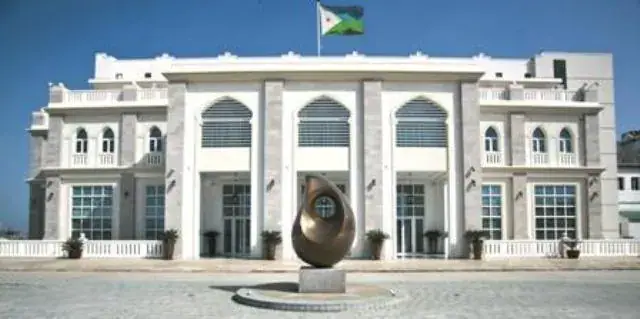
The cabinet meeting, held on November 25, 2026, covered various critical issues, including responses to gender-based violence, the national budget for 2027, and significant legislative proposals. The session was presided over by President Ismaïl Omar Guelleh, who also serves as the head of government. The meeting addressed pressing social and economic matters aimed at advancing the country's development agenda.
The Minister of Women and Family presented a report on national responses to gender-based violence. She highlighted progress in several areas, including strengthening legal and institutional frameworks, preventing violence, and protecting victims. The policy aims to implement the National Gender Equality Policy for 2024-2030 and the National Strategy to Combat Gender-Based Violence. The minister noted a 25% increase in registered cases of gender-based violence, from 776 in 2024 to 971 in 2025.
The proposed budget for 2027 amounts to 188,022,105,305 Djibouti francs, reflecting a balanced approach to revenue and expenditure. This budget aligns with the National Development Plan (PND-ADEEG 2025-2030) and the vision for Djibouti 2035. The budget includes revenue projections of 163,206 billion Djibouti francs, marking a 5.2% increase from the previous year. The government plans to issue 10 billion Djibouti francs in bonds to diversify financing sources.
The cabinet also discussed a draft law approving Djibouti's accession to the Convention on the Prohibition of the Development, Production, and Stockpiling of Bacteriological and Toxin Weapons and on Their Destruction (CIABT). This move is part of Djibouti's commitment to international disarmament and non-proliferation efforts. Additionally, the meeting covered a project to allocate land for the Research, Information, and Production Center (CRIPEN) under the Ministry of National Education.
Another significant decision was the approval of a law allowing Djibouti to ratify the Islamic Children's Rights Convention, adopted by the Organization of Islamic Cooperation (OIC) in 2005. This convention aims to promote and protect children's rights in accordance with Islamic principles and national legislation. The ratification is expected to strengthen Djibouti's international commitments to protecting children's rights.
The cabinet's decisions reflect the government's focus on addressing social challenges, promoting sustainable development, and enhancing the country's legislative framework. These measures are expected to have a positive impact on the lives of Djibouti's citizens, particularly in areas such as gender equality, child protection, and economic development.
Key points from the meeting include the approval of the 2027 budget, which prioritizes development and social welfare, and Djibouti's commitment to international agreements on disarmament and children's rights. The government's efforts to combat gender-based violence and promote national development are ongoing priorities.
Key points
- The 2027 budget for Djibouti is set at 188,022,105,305 Djibouti francs.
- Djibouti aims to strengthen its response to gender-based violence through policy measures.
- The country plans to ratify the Convention on the Prohibition of Biological Weapons.
Reporting sources
- Al Qarn · Al Qarn