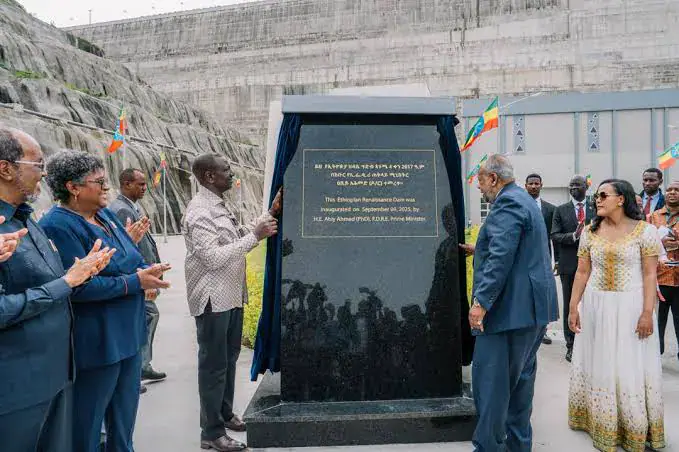
Djibouti and Ethiopia have taken a significant step towards enhancing their energy security and regional integration with the launch of a $660 million pipeline project. The project, which was initiated on September 24, 2026, aims to construct a 120 km pipeline between Djibouti and Ethiopia, along with storage terminals at each end. The pipeline will connect the Djiboutian site of Damerjog, on the Red Sea, to the Ethiopian locality of Dewele, on the border between the two countries.
The project is a collaboration between the Nigerian group Dangote, the Ethiopian Investment Holdings (EIH), and Great Horn Investment Holdings (GHIH), a Djiboutian public company responsible for managing strategic infrastructure in Djibouti. The project is expected to improve the efficiency of the supply chain, strengthen regional integration, and support more sustainable transportation. According to Aliko Dangote, the project is essential for Djibouti and Ethiopia, as well as for Africa's infrastructure, trade, and industrial development.
The pipeline and terminals are expected to be completed within three years. The project will enable Ethiopia, a landlocked country with a population of around 130 million, to improve its energy security. Currently, Ethiopia relies on Djibouti, a country with a population of around one million, for most of its imports and exports. The project will also help alleviate fuel shortages in Ethiopia, which has experienced difficulties in transporting petroleum products from Djibouti.
The launch of the pipeline project is a significant milestone in the development of the region. Djibouti's President, Ismaïl Omar Guelleh, expressed his satisfaction with the project, stating that it will consolidate Djibouti's position as a regional energy hub. Ethiopian Prime Minister Abiy Ahmed also welcomed the project, describing it as an "historic infrastructure" that will strengthen Ethiopia's energy security.
The project is part of a larger effort to develop infrastructure in the region. Aliko Dangote, Africa's richest man, has been advocating for increased investment in infrastructure to drive economic growth and industrial development in Africa. The pipeline project is expected to have a positive impact on the region's economy and will help to create jobs and stimulate growth.
The project has been hailed as a courageous and concrete investment in Africa's future. According to Brook Taye, CEO of EIH, the project will improve the efficiency of the supply chain, strengthen regional integration, and support more sustainable transportation. The project is also expected to have a positive impact on the environment, as it will reduce the need for trucks to transport petroleum products between Djibouti and Ethiopia.
The launch of the pipeline project is a significant achievement for the governments of Djibouti and Ethiopia. The project is expected to have a lasting impact on the region and will help to drive economic growth and development. With the completion of the pipeline, Ethiopia will be able to import petroleum products more efficiently, and Djibouti will consolidate its position as a regional energy hub.
Key points
- The pipeline project is expected to be completed within three years and will improve energy security in Ethiopia.
- The project is a collaboration between the Nigerian group Dangote, the Ethiopian Investment Holdings (EIH), and Great Horn Investment Holdings (GHIH).
- The pipeline will connect the Djiboutian site of Damerjog to the Ethiopian locality of Dewele, on the border between the two countries.