Djibouti's delegation, led by Minister of Economy and Finance Ilyas Moussa Dawaleh, participated in the 31st United Nations Climate Change Conference in Antalya, Türkiye. During the conference, the delegation engaged in bilateral meetings and discussions, focusing on transforming the country's climate vulnerabilities into concrete projects. The participation resulted in the signing of an agreement with the Green Climate Fund and the opening of new financing and cooperation opportunities.
The Djiboutian delegation, which included several government members, demonstrated a coordinated approach to addressing climate change. Minister of Environment and Sustainable Development Mohamed Awaleh Ahmed, Minister of Energy and Natural Resources Dr. Djama Mohamed Hassan, and Ambassador of Djibouti to Türkiye Aden Houssein Abdillahi joined Minister Dawaleh. This collective presence highlighted the government's commitment to tackling climate financing, energy transition, and environmental protection.
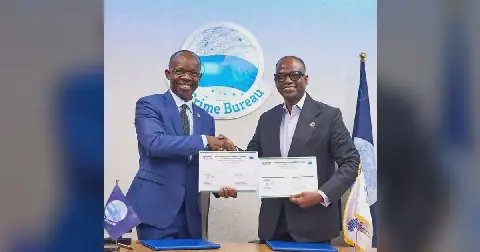
A significant achievement during the conference was the signing of a $3 million grant agreement with the Green Climate Fund to support the Ministry of Economy and Finance's preparation capacities. This brings the total funding for Djibouti's projects to $74.8 million, with an additional $4.4 million approved for preparation support. The Ministry of Economy and Finance is among the pioneering finance ministries to have initiated an accreditation process with the Fund.
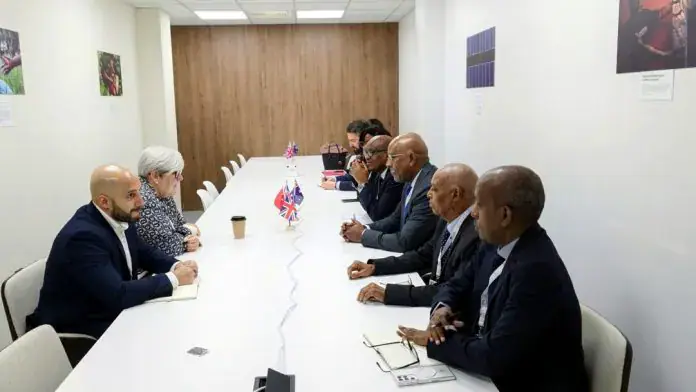
The Djiboutian delegation also engaged in discussions with the United Kingdom on climate financing, debt management, and private capital mobilization. Minister Dawaleh met with Rachel Kyte, the UK's Special Representative for Climate Change, to explore collaboration opportunities with British International Investment, the Private Infrastructure Development Group, and UK Export Finance. The delegation emphasized the need for accessible financing options tailored to vulnerable countries' climate exposure and debt constraints.
Discussions with the African Development Bank, represented by Daniel Alexander Schroth, focused on the Mattei Plan and mobilizing resources from the Green Climate Fund. The Djiboutian delegation proposed a technical review of identified energy projects to assess their eligibility for funding. The parties also explored a mechanism combining resources from the Green Climate Fund, the African Development Bank, and other partners to mitigate investment risks.
The transformation of Djibouti's economy was another key topic of discussion, particularly with Claver Gatete, Executive Secretary of the United Nations Economic Commission for Africa. Minister Dawaleh highlighted the country's dependence on port activities and the Ethiopian corridor, despite an estimated 6.5% growth in 2025. Djibouti sought the commission's support in five areas, including budget sustainability, job creation, and the development of the Djibouti-Ethiopia corridor into a production space.
The conference also provided a platform for Djibouti to advocate for a green transition. Minister Dawaleh participated in a roundtable discussion on the Global Initiative for Green Freight Corridors, emphasizing the regional dimension of the Djiboutian corridor and the need for decarbonization. He called on partners to support the preparation of bankable projects and facilitate private capital mobilization. Additionally, the minister highlighted the importance of addressing food security and access to water, with Djibouti importing 90% of its food and facing significant water scarcity.
Key points
- Djibouti secures $3 million grant from the Green Climate Fund to support climate change preparation capacities.
- The country aims to increase its food security rate to over 90% by 2030.
- Djibouti seeks partnerships to support the development of green infrastructure and climate-resilient projects.