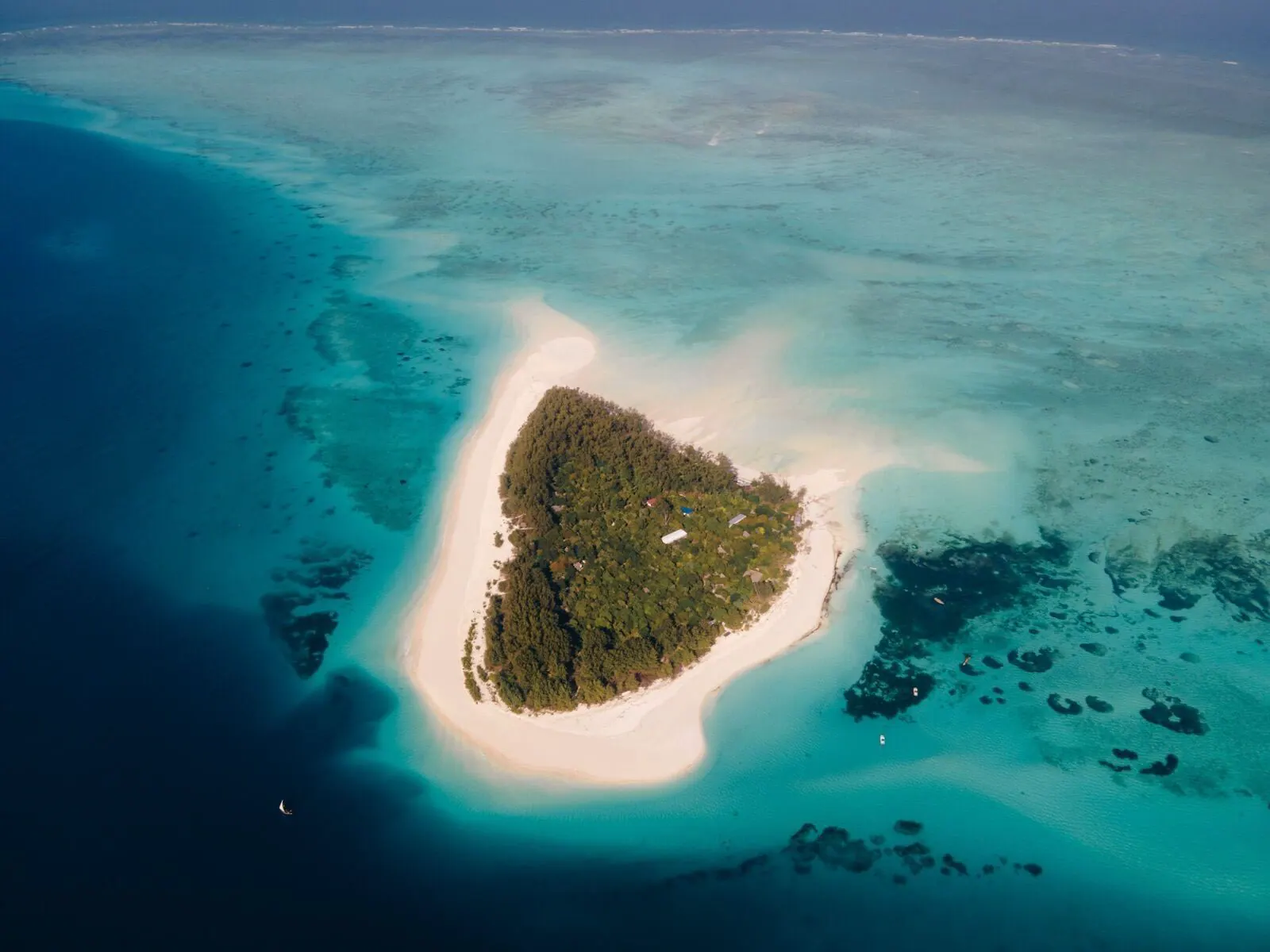
Zanzibar, a popular tourist destination, boasts a diverse range of beaches that cater to various preferences. The island's coastline can be broadly divided into two regions: the north and the east. The north, particularly Nungwi and Kendwa, offers a Mediterranean-like swimming experience with gentle tidal swings, making it ideal for families and those who prefer to swim at any time.
In contrast, the east coast is characterized by a tidal lagoon that empties and fills twice a day, resulting in a significant change in beach conditions between high and low tide. The east coast is famous for its crystal-clear waters, but this clarity is tide-dependent. Beachgoers on the east coast need to be aware of the tidal range, which can be as high as 2.5-3.5 meters, and plan their swimming activities accordingly.
For those who prioritize swimming, the north coast is the better option, with Nungwi and Kendwa being the top choices. Kendwa is considered the calmer of the two and offers more reliable access to deep water across the tide, making it perfect for those who want to simply float. On the other hand, Nungwi village beach is more lively, with a string of bars, dhow boats, and dive centers, but it can get crowded and chaotic during the day.
The southeast coast, particularly Paje, is a hub for kitesurfing enthusiasts, with the trade wind blowing cross-shore from mid-June to September and December to February. The beach offers a lively atmosphere, with numerous kite schools, smoothie bars, and a vibrant social scene. However, non-kiters may find the beach too crowded, and those seeking quieter spots can consider Bwejuu or Jambiani.
The east coast, where the author resides, offers a unique beach experience. The coastline is dotted with traditional fishing villages, low-key guesthouses, and stunning beaches. Jambiani, Bwejuu, Michamvi, and Matemwe are some of the top beach destinations on the east coast, each with its own charm. Visitors can enjoy swimming, snorkeling, and diving in the crystal-clear waters, as well as exploring the local culture and marine life.
Beyond the main island, there are several satellite beaches and offshore sandbanks that offer additional beach experiences. Mchanga sandbank, a tidal sandbank near Michamvi Pingwe, is a popular spot for photography, with its white sand and turquoise water. Prison Island, home to Aldabra giant tortoises, and Chumbe Island, a protected coral reef island and wildlife sanctuary, are also worth visiting.
When visiting Zanzibar's beaches, it's essential to be aware of some safety essentials. Sea urchins are common on rocky reef edges, and rip currents can occur around reef gaps and at certain tidal states. Visitors should also be mindful of the intense equatorial sun and take necessary precautions to avoid sunburn. Additionally, the east coast hosts a seaweed farming industry, and floating seaweed can appear in the water and on the beach during certain months.
Key points
- The tidal range on Zanzibar's east coast can be as high as 2.5-3.5 meters, significantly impacting beach conditions.
- The north coast, particularly Nungwi and Kendwa, offers a Mediterranean-like swimming experience with gentle tidal swings.
- Paje on the southeast coast is a hub for kitesurfing enthusiasts, with a lively atmosphere and numerous kite schools.