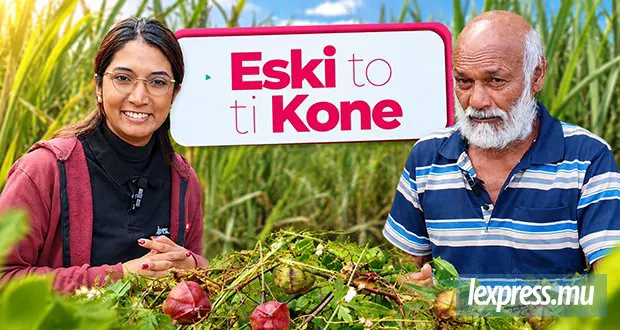
In the lush cane fields of Mauritius, a closer look reveals a diverse array of flora beyond the typical sugarcane. Farmers have been cultivating various crops, including pistachios, watermelons, corn, and cucumbers, between the rows of sugarcane. This practice allows for a more efficient use of land and a greater variety of harvests. As the sugarcane grows, these smaller crops develop and mature, providing a welcome supplement to the main crop.
The beauty of Mauritian agriculture lies in its ability to yield multiple crops from a single plot of land. According to Gheerjanand Ghunowa, a local expert, many plants have been used in traditional medicine for generations. One such plant is the Cardiospermum halicacabum, also known as balloon vine or love in a puff, and locally referred to as liane poc poc. This climbing plant is commonly found along roads and waterways, with small, balloon-like fruits.
The liane poc poc has been used in traditional medicine for various purposes, including as a treatment for diabetes. Locals know how to identify the plant's leaves, seeds, roots, and flowers, and use them in different ways. This traditional knowledge has been passed down through generations, highlighting the importance of preserving and documenting such information. However, it is essential to note that traditional uses do not necessarily replace medical treatments.
The island of Mauritius is home to a rich variety of flora, with many plants still unknown to the general public. Gheerjanand Ghunowa emphasizes that there are many plants surrounding us, but their values and uses are often overlooked. By taking the time to explore and learn about these plants, we can gain a deeper appreciation for the natural world and its many secrets.
The practice of cultivating multiple crops in cane fields is a testament to the resourcefulness and ingenuity of Mauritian farmers. By making the most of their land, they are able to increase their yields and contribute to the country's food security. This approach also highlights the importance of sustainable agriculture and the need to preserve traditional farming practices.
The article, written by Peeyamvadah Bickharry, was published in L'Express on September 20, 2026. It highlights the importance of appreciating the natural world and exploring the many hidden gems that can be found in everyday environments. By taking a closer look at the world around us, we can discover new and interesting things.
The story of the liane poc poc and its traditional uses serves as a reminder of the importance of preserving traditional knowledge and cultural heritage. By documenting and studying such information, we can gain a deeper understanding of the natural world and its many secrets, and work towards a more sustainable future.
Key points
- The practice of cultivating multiple crops in cane fields allows for a more efficient use of land and a greater variety of harvests.
- The liane poc poc has been used in traditional medicine for various purposes, including as a treatment for diabetes.
- Preserving traditional knowledge and cultural heritage is essential for understanding the natural world and working towards a more sustainable future.