Building true disaster resilience in South Africa necessitates genuine collaboration between existing institutions and grassroots communities. This involves integrating local knowledge and shared responsibility into public safety systems. The importance of such collaboration is underscored by recent disasters worldwide, including catastrophic flooding in Nepal in August 2026, which killed at least 1,455 people, and floods in Mokwa, Nigeria, in May 2025, that killed 151 people and displaced approximately 3,000 others.
South Africa has a substantial disaster management system in place, comprising the Disaster Management Act, National Disaster Management Framework, disaster management centres, coordinating forums, and municipal plans. These establish responsibilities for prevention, preparedness, response, and recovery. The legislation recognises community participation, indigenous knowledge, and the particular needs of vulnerable groups. Considerable institutional knowledge and experience have accumulated within these arrangements, but the pressing question is how effectively this collective capacity functions when responsibilities intersect.
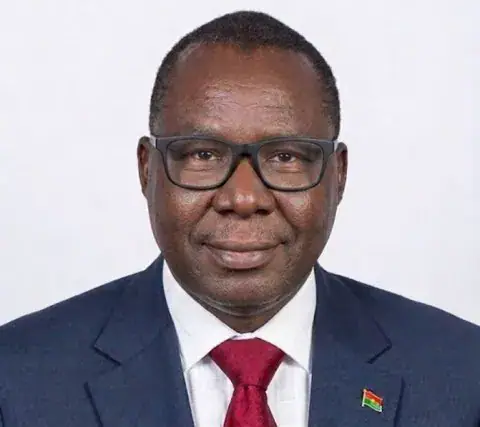
A system's capacity to respond to disasters depends on its ability to recognise relationships, understand responsibilities, and sustain coordination beyond individual officials. Information about environmental risks, infrastructure, vulnerable households, available resources, and community organisations may be held across different institutions. Each may possess valuable knowledge and fulfil its own responsibilities, while the wider system struggles to connect what is known with what needs to happen. Dr. Haseena Majid, a Global Atlantic Fellow for Health Equity and Social Justice, emphasises the need for a more integrated approach.
The ability to prepare for a disaster and recover afterwards is closely tied to the resources people have available. Families with insurance, savings, and transport have more options to protect themselves and recover. For households facing insecure housing, unemployment, or limited access to services, a flood can interrupt schooling, healthcare, and income for months or years. The people with the fewest resources often depend most heavily on the quality of collective preparedness and institutional response.
Communities already carry considerable responsibility for their own safety. Neighbours assist with evacuations, civil society organisations mobilise support, and trusted local figures help people navigate emergencies. Trust influences whether warnings are believed, whose advice is followed, and where people seek assistance. These relationships hold knowledge about local conditions, traditional practices, and the needs of households that may be difficult to capture through formal reporting alone.
The 2026 International Day for Disaster Risk Reduction theme, Resilience Starts at Home, offers an opportunity to reconsider how communities participate in decisions about their safety. Community organisations, traditional knowledge holders, and young people have contributions to make throughout planning, implementation, and learning. Meaningful collaboration requires space for their knowledge to influence decisions and for institutions to account for what happens afterwards.
Building disaster resilience requires intelligence drawn from across government, civil society, businesses, and communities, with functional pathways connecting the knowledge, resources, and responsibilities held by each. South Africa's existing institutional structures provide a foundation for this, although their effectiveness depends on how well these contributions inform decisions and action. The real test is whether this wider intelligence and shared capacity lead to earlier action, better protection, and a fairer chance of recovery for people who can least afford another disaster.
Key points
- Collaboration between institutions and communities is crucial for building disaster resilience in South Africa.
- Effective disaster management requires the integration of local knowledge and shared responsibility into public safety systems.
- The existing disaster management system in South Africa provides a foundation for building resilience, but its effectiveness depends on how well contributions from various stakeholders inform decisions and action.