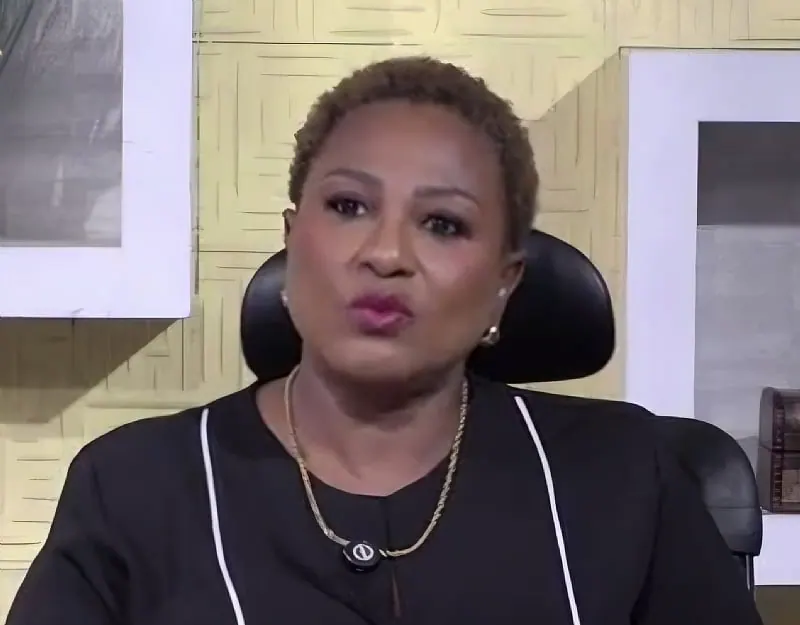
Digitalisation is being hailed as a critical component in improving trade facilitation and reducing inefficiencies in Ghana's port and shipping operations. According to Madam Josephine Nkrumah, a Maritime Lawyer and Senior Fellow at the Gulf of Guinea Maritime Institute, the country's maritime digitalisation journey has made significant progress. This journey has evolved from paper-based cargo transactions to paperless processes, electronic payments, and the implementation of the Integrated Customs Management System (ICUMS) and single-window processes.
The Ghana Maritime Authority is spearheading several initiatives aimed at improving efficiency and reducing vessel turnaround times. One such initiative is the Maritime Single Window project, which seeks to enhance inter-agency coordination. Additionally, the Authority is promoting Just-in-Time sailing to minimise delays. Madam Nkrumah emphasised that digitalisation should serve the broader objective of trade facilitation, rather than becoming an end in itself. This, she believes, will make trade more seamless and economically beneficial to citizens.
Ghana, along with other countries in the Economic Community of West African States (ECOWAS), is looking to leverage digitalisation to enhance regional trade. Madam Nkrumah noted that the region faces challenges, particularly in the transportation of goods. About 70 per cent of regional trade along the coast is transported by road through the Abidjan-Lagos corridor. This exposes cross-border traders to multiple customs checkpoints, increased costs, and various challenges, especially for small businesses.
The COVID-19 pandemic has led to an increase in cargo volumes, presenting an opportunity for Ghana to strengthen its infrastructure. Madam Nkrumah advocates for the development of regional short-sea shipping services. She believes that short-sea shipping can serve as a catalyst for regional trade. To support this, ECOWAS is working on developing frameworks and cabotage laws to create an enabling environment for the service.
Madam Nkrumah cautioned against the duplication of digital systems in the maritime sector. She emphasised that maritime digitalisation should progressively develop into a seamless one-stop platform. This platform should connect the various actors in the sector, ensuring efficient and streamlined operations. Furthermore, Mr Eric D. Ang-numbaala, Senior Planning Officer at the Ghana Maritime Authority, highlighted the importance of digitalisation in maritime security and environmental risk management.
Ghana's Maritime Domain Awareness coverage has been expanded from the 24-nautical-mile contiguous zone to the country's 200-nautical-mile Exclusive Economic Zone (EEZ). According to Mr Ang-numbaala, technology is crucial but must be supported by inter-agency coordination, information sharing, training, and appropriate infrastructure. This comprehensive approach will ensure that digitalisation achieves its intended objectives in the maritime sector.
The Ghana Ports and Harbours Authority (GPHA) recently hosted a media discussion on these issues, highlighting the need for continued collaboration and investment in digitalisation. Stakeholders emphasised that a well-implemented digitalisation strategy can significantly enhance trade facilitation, reduce costs, and improve the overall efficiency of Ghana's maritime operations. This, in turn, can contribute to the country's economic growth and development.
Key points
- Digitalisation is critical for improving trade facilitation and reducing inefficiencies in Ghana's port and shipping operations.
- Ghana's maritime digitalisation journey has evolved from paper-based transactions to paperless processes and electronic payments.
- The country aims to leverage digitalisation to make regional trade more seamless and economically beneficial.