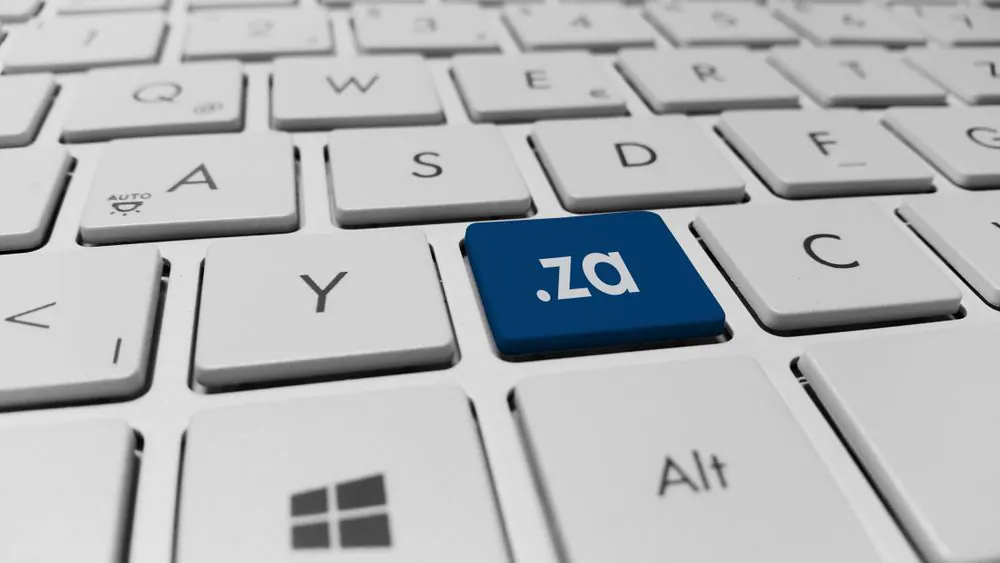
Every day, South Africans create a digital footprint through various online activities, often without considering the underlying infrastructure that supports these interactions. The infrastructure, which includes domain names, online banking, and digital services, is crucial for daily life, but its importance becomes apparent only when something goes wrong. A disruption in digital services or a misuse of digital identity can have far-reaching consequences, affecting not only individuals but also businesses and the country's digital economy.
Digital sovereignty is a critical concept that affects how safely and confidently people, businesses, and institutions participate in the digital world. According to Angel Selebano, PR and Marketing Manager at the .za Domain Name Authority (.zadna), digital sovereignty is not an abstract concept reserved for governments or technology specialists. It is about having the infrastructure, capabilities, and governance arrangements needed to participate in the global digital ecosystem with confidence.
The Domain Name System (DNS) is a critical layer supporting digital participation, translating domain names into technical IP addresses that allow users to access websites and online services. The DNS is often invisible to users, but its importance becomes clear when digital infrastructure is disrupted. Selebano notes that digital infrastructure is economic and social infrastructure, and its resilience matters because so much of daily activity depends on reliable online connectivity.
However, there is a growing risk of digital identity abuse, where fraudsters create websites that resemble those of trusted organizations or send messages that appear to come from government departments or familiar businesses. Domain governance becomes essential in addressing this issue. A governed national namespace like .za can provide mechanisms to identify, report, and address domain abuse, helping to build trust in online systems.
The conversation about .za extends beyond a domain extension, touching on identity, infrastructure, governance, and the ability of South Africans to establish and maintain a trusted online presence. The .za namespace is part of South Africa's national digital infrastructure, and choosing .za can help create a clear South African digital identity. However, protecting that identity is a shared responsibility that requires informed users, responsible organizations, and effective governance.
To protect digital identity, individuals and businesses must take proactive steps. For businesses, this means looking beyond the website itself and understanding how the organization is represented online. Individuals can take simple safeguards like checking website addresses carefully, treating unsolicited links with caution, and reporting suspected fraud through the appropriate channels. The Internet Service Providers' Association (ISPA), ZA Registry Consortium (ZARC), and .zadna have outlined remedies for different forms of domain fraud and abuse.
Ultimately, digital sovereignty will be built through resilient infrastructure, effective governance, responsible organizations, and informed users working together. The stakes are high, with South Africa's digital future being built every day through businesses establishing online identities, public services moving online, and citizens relying more heavily on digital systems. By choosing .za and protecting digital identity, South Africans can help create a trusted and secure online presence.
Key points
- Digital sovereignty begins with digital identity, and protecting it is crucial for South Africa's digital economy.
- The .za domain plays a critical role in establishing a clear South African digital identity.
- Protecting digital identity requires a shared responsibility among individuals, businesses, and organizations.