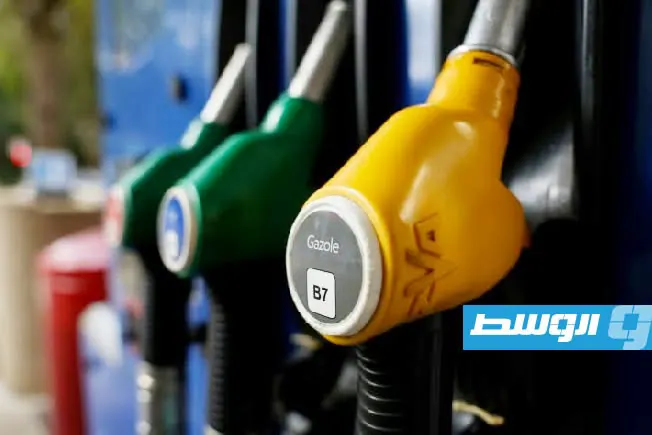
According to a report by the European Commission, diesel prices in the European Union have reached a historic high of 2.23 euros per liter, up from 2.16 euros in the previous week. This is based on data collected from national sources and published weekly since 2005. The prices have been driven up by energy shocks caused by conflicts in the Middle East and between Russia and Ukraine.
The surge in diesel prices has been observed in 19 of the 27 EU countries, including Germany, France, and Italy. The increase in prices has been attributed to the ongoing conflicts in the region, which have disrupted energy supplies and led to a rise in costs. The European Commission has been monitoring the situation closely and is working to mitigate the impact of the price hike on consumers.
The rise in diesel prices is expected to have a significant impact on consumers and businesses across the EU. With many industries relying heavily on diesel fuel, the increased costs are likely to be passed on to consumers, leading to higher prices for goods and services. The European Commission has urged member states to take measures to support affected industries and consumers.
The global energy market has been experiencing significant volatility in recent months, with many countries facing challenges in securing reliable and affordable energy supplies. The EU has been working to diversify its energy sources and reduce its dependence on imported fuels, but the process is expected to take time.
The European Commission has been working closely with member states to address the issue of high energy prices. The commission has proposed measures to increase energy efficiency, promote the use of renewable energy sources, and improve the resilience of the energy system. However, the implementation of these measures is expected to take time, and in the meantime, consumers and businesses will have to cope with the high prices.
The high diesel prices are also expected to have an impact on the transportation sector, with many haulage companies and logistics providers facing increased costs. This could lead to higher prices for goods and services, as well as increased costs for consumers. The European Commission has urged member states to support affected industries and to work towards finding solutions to the energy crisis.
The situation is being closely monitored by the European Commission, and efforts are being made to address the issue of high energy prices. The commission is working to promote the use of renewable energy sources, improve energy efficiency, and increase the resilience of the energy system. In the meantime, consumers and businesses will have to adapt to the new reality of high energy prices.
Key points
- The European Union has seen a significant increase in diesel prices, reaching a historic high of 2.23 euros per liter.