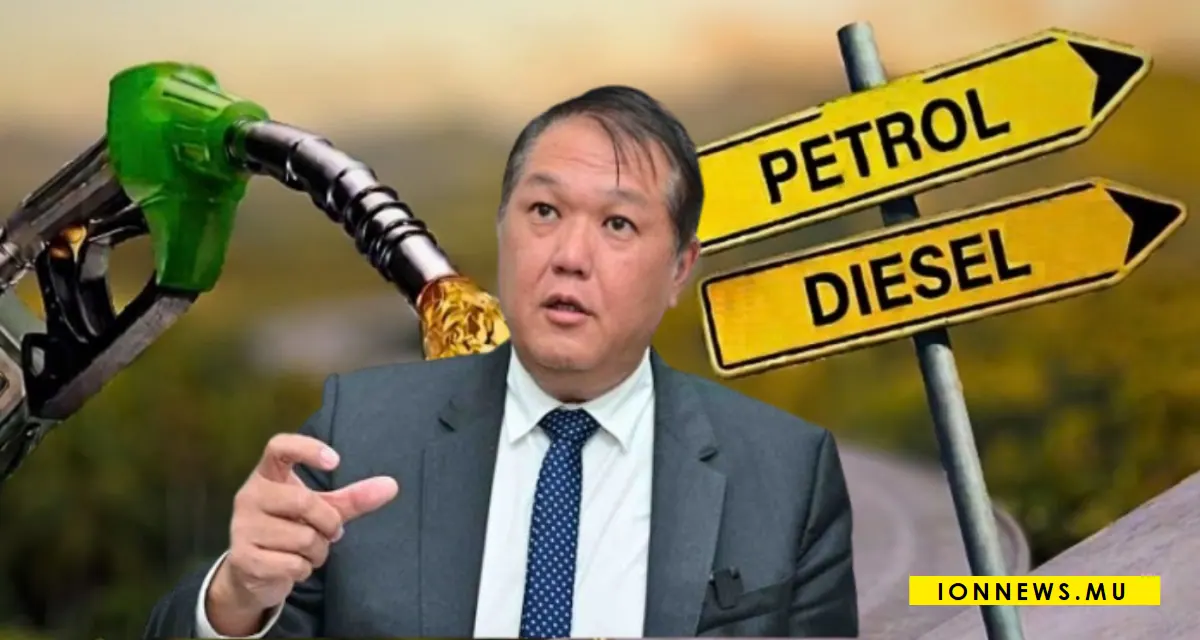
The Mauritian government is bracing for a potential diesel price hike, which could have far-reaching consequences for the country's public transportation sector. According to Michaël Sik Yuen, Minister of Trade and Consumer Protection, the current instability in the international market and rising freight costs may lead to a new increase in fuel prices. If the Petroleum Pricing Committee (PPC) meets in the coming days, the current mechanism would allow for a 10% price increase.
The proposed price hike would see diesel rise from Rs 71.25 to Rs 78.35 per liter, an increase of Rs 7.10. This would have a significant impact on public transportation companies, as diesel is their largest operational expense. With the price of diesel potentially exceeding Rs 78 per liter, operators may demand a fare increase, unless the government provides targeted compensation. This could lead to higher bus fares, affecting daily commuters and household purchasing power.
The potential fare hike would come at a challenging time for Mauritian households, who are already facing economic pressure. An increase in bus fares would be a domino effect of the rising diesel price, further straining household budgets. The government is faced with a complex economic equation, seeking to maintain financial stability without significantly impacting consumers.
Minister Sik Yuen also highlighted the vulnerability of the Price Stabilisation Account (PSA), which currently has a deficit of Rs 3.32 billion. The government's ability to absorb the impact of rising fuel prices is limited, making it essential to find a solution that balances the needs of consumers and operators.
The proposed 10% price increase would also affect petrol, which would rise from Rs 70.65 to Rs 77.70 per liter, an increase of Rs 7.05. However, it is the diesel price hike that is expected to have the most significant impact on the public transportation sector.
The government is expected to take a decision on the fuel price hike in the coming days. If the PPC meets and decides to increase fuel prices, the new rates will be implemented, potentially leading to higher bus fares and affecting thousands of commuters.
The situation highlights the challenges faced by governments in balancing economic stability with consumer needs. As Mauritius navigates the complexities of the global fuel market, the government will need to find a solution that works for all stakeholders, including consumers, operators, and the economy as a whole.
Key points
- Diesel price may rise to Rs 78.35 per liter in Mauritius.
- Potential bus fare hike could affect household purchasing power.
- Government faces complex economic equation in balancing consumer needs with economic stability.