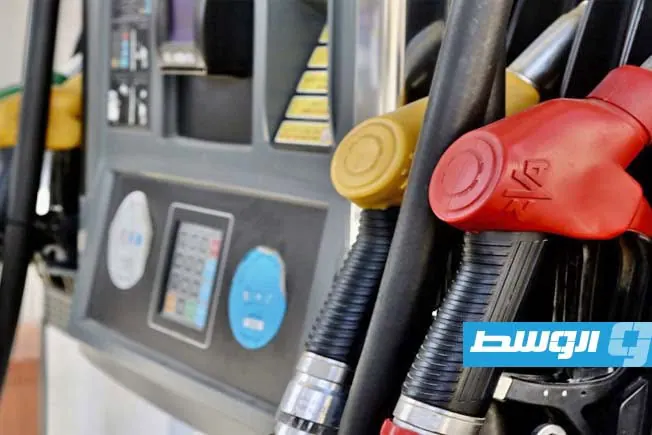
The UK's diesel fuel prices have reached an all-time high due to the ongoing conflict in Iran, according to a statement released by the Society of Motor Manufacturers and Traders (SMMT). As of Monday, the price of a liter of diesel fuel stands at 199.18 pence. This surge in prices is expected to have far-reaching implications for drivers and the broader economy, particularly in terms of transportation costs and logistics.
The rising diesel fuel prices are likely to exacerbate the ongoing cost-of-living crisis in Britain. With diesel fuel being a crucial component in the production and transportation of various goods, its increasing cost will be passed on to consumers. The SMMT's head of policy, Simon Williams, noted that filling up a typical family car's fuel tank now costs around £110, a £31 increase since the conflict began.
The current diesel fuel price surpasses the previous record high of 199.09 pence, set in June 2022 during the energy market turmoil following Russia's invasion of Ukraine. Global diesel fuel prices have been on the rise due to reduced refining capacity and supply chain disruptions caused by conflicts in the Middle East and Ukraine.
The UK's reliance on imported diesel fuel has increased, with the country now importing around 55% of its diesel fuel needs. The United States is a significant supplier, accounting for 31% of Britain's diesel fuel imports in 2025. However, with the US potentially imposing an export ban on diesel fuel, Britain and other European countries may struggle to find alternative sources.
The decline in Britain's refining capacity has contributed to the current diesel fuel shortage. The country's refining capacity has decreased to around 1 million barrels per day, distributed across four operational refineries, down from 1.27 million barrels per day in six refineries in 2024. This reduction has made Britain more dependent on imports to meet its diesel fuel demands.
The impact of rising diesel fuel prices is being felt across various sectors, including transportation, logistics, and agriculture. As a key component in the production and distribution of goods, the increasing cost of diesel fuel will likely have a ripple effect throughout the economy. The situation is being closely monitored by industry experts and policymakers, who are working to mitigate the effects of the price surge.
The global energy market is experiencing significant fluctuations due to geopolitical tensions and supply chain disruptions. The ongoing conflict in Iran, as well as tensions in the Middle East and Ukraine, have contributed to the recent surge in diesel fuel prices. As the situation continues to evolve, it remains to be seen how the market will respond and what measures will be taken to address the resulting economic implications.
Key points
- Britain's diesel fuel prices have reached a record high due to the Iran war.
- The UK's reliance on imported diesel fuel has increased, with the US being a significant supplier.
- The decline in Britain's refining capacity has contributed to the current diesel fuel shortage.