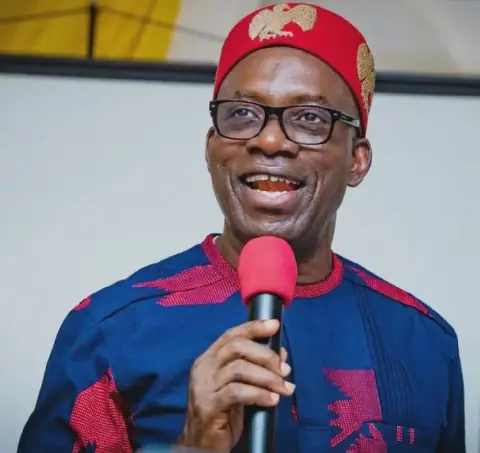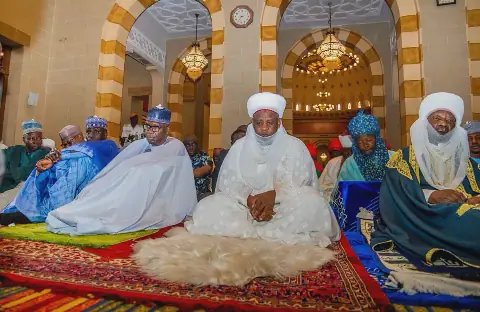
The 2023 Nigerian presidential election was highly anticipated, with Peter Obi being tipped as a potential winner. His supporters saw him as a leader who could bring about change and end feelings of political exclusion. Obi's campaign energized an extraordinary movement, bringing young Nigerians and first-time political enthusiasts into the arena. His supporters genuinely believed he was the one to lead Nigeria to a better future. The election was seen as a historic moment, with some drawing parallels to Barack Obama's presidential win in the United States.
Obi's campaign was marked by enthusiasm and excitement, with many of his supporters convinced that history was waiting to be made. However, the anticipated inauguration of Obi never happened. The Independent National Electoral Commission (INEC) declared Asiwaju Bola Ahmed Tinubu the winner with 8,794,726 votes, followed by Alhaji Atiku Abubakar with 6,984,520, and Obi in third place with 6,101,533 votes. These results were met with rejection from Obi and Atiku, who both claimed they had won and asked to be declared president.
The disputes over the election results led to a tribunal and Supreme Court case, with both Obi and Atiku presenting their claims. However, the courts ultimately dismissed their petitions, confirming Tinubu as the winner. Despite this, Obi has continued to claim that he won the election. In a recent interview with ARISE TV, he stated that he had proof that former INEC chairman, Prof Mahmood Yakubu, worked against him.
However, in a subsequent interview with the BBC, Obi retracted his previous statement, saying that there was no evidence to support his claims. He maintained that he won the election, but chose not to dwell on the past. The minister of solid minerals and spokesman of the 2027 APC campaign council, Mr Dele Alake, responded to Obi's claims, questioning where he was sourcing his facts and sarcastically asking if it was from an adviser or an online supporter.
The controversy surrounding the election results has sparked a wider debate about the legitimacy of the outcome. Some of Obi's supporters, known as Obidients, genuinely believe that he won the election. An author is set to release a book exploring the inside story of Nigeria's 2023 presidential election, including electoral returns, voting patterns, and court filings.
The book aims to shed light on the puzzles and disputes surrounding the election. One of the key questions being explored is the power of conviction and how it influenced the election outcome. Many Obidients remain convinced that Obi won, despite the official results. The debate over the election results is likely to continue, with some seeking answers and others maintaining their stance.
Ultimately, the 2023 Nigerian presidential election has highlighted the complexities and challenges of the electoral process. The disputes over the results have raised questions about the legitimacy of the outcome and the need for electoral reform. As the country moves forward, it is essential to address these concerns and work towards ensuring the integrity of future elections.
Key points
- Peter Obi's supporters claim he won the 2023 Nigerian presidential election despite official results showing him in third place.
- The election results were disputed by Obi and Atiku, who both claimed they had won and asked to be declared president.
- The controversy surrounding the election results has sparked a wider debate about the legitimacy of the outcome.