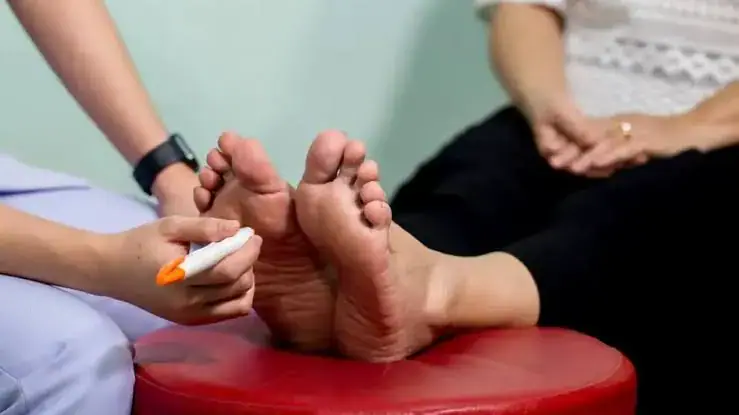
Diabetic neuropathy is a complication of chronic high blood sugar levels, damaging nerves and commonly affecting the feet and legs. It can occur in people with type 1 or type 2 diabetes, especially after years of living with the condition. According to Cleveland Clinic, precise control of blood sugar levels, along with proper medication and therapy, can limit nerve damage and alleviate symptoms. Not all diabetics will develop neuropathy, but it is a significant risk.
There are three main types of diabetic neuropathy. Peripheral neuropathy is the most common, affecting nerves outside the spinal cord, often starting in the feet and legs. Autonomic neuropathy occurs when nerves controlling automatic body functions, such as heart rate and digestion, are damaged. Proximal neuropathy, the least common, affects nerves in the hips, thighs, or buttocks, usually on one side of the body. Studies show that up to 50% of diabetics may develop peripheral neuropathy.
Symptoms of peripheral neuropathy typically begin in the feet and develop gradually over years. They include numbness, tingling, burning pain, and muscle weakness. Patients may feel unusual sensations when touching the skin or experience delayed wound healing. In severe cases, complete loss of sensation in the feet can occur. Early detection is crucial to prevent complications.
Risk factors for diabetic neuropathy include age, long-term diabetes, high blood pressure, high cholesterol, kidney disease, and smoking. Family history may also play a role. Studies indicate that at least 20% of type 1 diabetics with 20-year duration and 15-50% of type 2 diabetics with 10-year duration develop neuropathy.
Managing diabetic neuropathy starts with controlling blood sugar levels. Treatment may involve medication, physical therapy, and lifestyle changes. Physical therapy improves mobility and physical performance, while occupational therapy helps patients adapt daily activities. Nutritional counseling supports a healthy diet to manage diabetes.
Preventing diabetic neuropathy involves maintaining healthy blood sugar levels, blood pressure, and cholesterol. A balanced diet, regular exercise, and not smoking can reduce risks. Regular medical check-ups, including annual foot exams, are essential for early detection. Home monitoring of feet for injuries or sores can prevent complications.
Living with diabetic neuropathy requires adjustments to daily life. Patients should use supportive devices, wear protective shoes, and regularly inspect their feet. Removing home hazards and addressing psychological impacts can improve quality of life. With proper management and support, diabetics can reduce the risk of neuropathy complications.
Key points
- Controlling blood sugar levels is crucial in managing diabetic neuropathy.
- Regular medical check-ups and home monitoring can prevent complications.
- Lifestyle changes, including a balanced diet and exercise, can reduce risks.