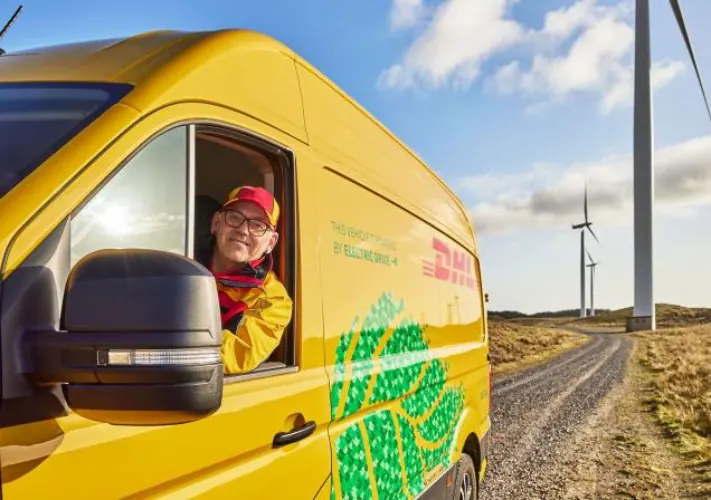
DHL, a global logistics company, is expanding its battery logistics network to meet growing demand in electric transportation, battery manufacturing, and energy storage. The company has connected over 20 centers of excellence for electric vehicles and batteries worldwide and plans to expand further. The network combines DHL's supply chain, global forwarding, and express capabilities, covering manufacturing, transportation, warehousing, and after-sales services in key global markets.
According to DHL, battery supply chains require specialized handling and compliance expertise, which becomes increasingly complex as electricity usage expands to industrial equipment, mining, and energy infrastructure, in addition to passenger vehicles. Some battery systems now weigh over 50 tons. Francisco Milian, head of supply chain to manufacturing at DHL Supply Chain for Europe, the Middle East, and Africa, noted that battery logistics differ significantly from traditional supply chains, requiring specialized capabilities that cover the entire battery lifecycle.
DHL's specialized facilities combine warehousing and services such as battery diagnostics, testing, and shipping. These facilities also offer conditioning, repair, reverse logistics, and recycling preparation. Recently, DHL dedicated 13,000 square meters of battery-ready storage space in Halle, Germany. The company is also building another specialized battery logistics facility in Hungary, expected to start operations in 2027. Many of these facilities combine warehousing, transportation, customs, and cross-border logistics.
DHL's network will connect manufacturing hubs, emerging mega-factories, and energy infrastructure projects. Hendrik Winter, global head of supply chain at DHL, stated that the energy transition creates new trade corridors and supply chain patterns. Customers are redesigning global supply chains to support electric mobility, energy storage, and large-scale renewable energy deployment. DHL has delivered over 1,100 units of battery energy storage systems (BESS) and is expanding its role in large-scale BESS projects.
During the first half of 2026, DHL delivered over 1,100 units of BESS globally. The company's Global Forwarding and Industrial Projects unit provides cargo transportation, hazardous materials compliance, project logistics, and heavy-lift services for these projects. DHL also uses its express shipping service for heavyweights to transport batteries in critical situations. New energy is one of DHL's growth sectors within its 2030 strategy, which includes eight areas, such as wind energy, solar energy, and electric vehicles and batteries.
DHL aims to grow its new energy business to €3 billion by 2030. The company's expanded battery logistics network addresses the increasing demand for specialized handling and compliance expertise in the electric transportation and battery manufacturing sectors. As the energy transition continues, DHL's network will play a crucial role in supporting the growth of electric mobility and renewable energy.
The expansion of DHL's battery logistics network is a strategic move to capitalize on the growing demand for electric vehicles and renewable energy. With its specialized facilities and expertise, DHL is well-positioned to provide comprehensive logistics solutions for the battery industry. As the company continues to invest in its network, it is likely to play an increasingly important role in the global energy transition.
Key points
- DHL is expanding its global battery logistics network to meet growing demand in electric transportation and battery manufacturing.
- The company's network combines DHL's supply chain, global forwarding, and express capabilities, covering manufacturing, transportation, warehousing, and after-sales services.
- DHL aims to grow its new energy business to €3 billion by 2030.