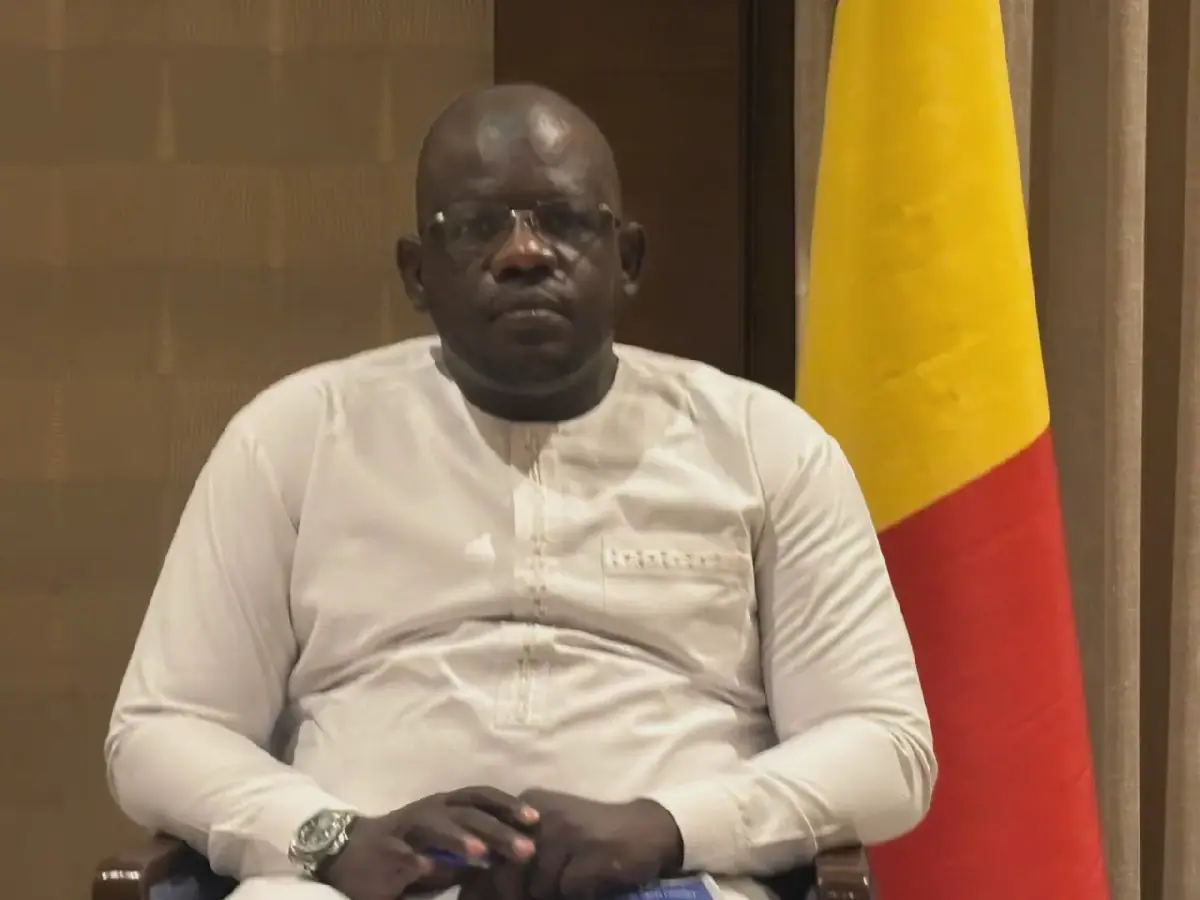
The president of TIRAC-Sahel, Soulaymane Satigui Sidibé, has emphasized the importance of economic and social development in preventing conflicts and consolidating peace in the Sahel region. Speaking at a roundtable discussion in Bamako, Mali, Sidibé highlighted the significant investments made by Morocco in its southern provinces, citing the construction of expressways, hospitals, schools, and industrial zones. These investments have generated millions of jobs and improved living conditions for local populations.
Sidibé pointed to the construction of the expressway as an example, which created 2.5 million man-days of work. He also mentioned the upcoming University Hospital Center in Laâyoune, which will have a capacity of around 500 beds. These developments have enhanced the attractiveness of the territories and contributed to regional stability. The presence of African students in Dakhla and the settlement of young migrants from various African countries in the southern provinces testify to the economic and social opportunities offered by these regions.
The TIRAC-Sahel president addressed the security challenges facing the Sahel region, emphasizing that regional stability is closely linked to that of neighboring countries. He warned against a geographically limited reading of crises, citing the evolution of the situation in Mali, where violence initially concentrated in the north gradually spread to other parts of the territory, threatening the capital. Sidibé advocated for a comprehensive approach combining military operations with the sustainable restoration of state presence through administration, justice, education, health, and social services.
Sidibé stressed the importance of protecting civilians, combating human rights violations, and distinguishing between political claims, communal conflicts, and terrorism in strategies to resolve crises. He also recommended strengthening cross-border cooperation, intelligence sharing, and combating illicit financing, while respecting legal frameworks. The role of local media, community mediation, and the participation of women and young people in preventing radicalization and conflict resolution were also highlighted.
The president of TIRAC-Sahel emphasized the need for a multifaceted strategy that combines military capabilities, economic development, sustainable state presence, and political dialogue. He noted that the stability of the Sahel region is crucial for the entire Sahara-Sahel area. Sidibé's remarks were made during a roundtable discussion organized by the Moroccan Embassy in Mali, celebrating the first anniversary of Morocco's Unity Day.
The discussion was held under the theme "Morocco's national unity, a factor of stability and development in the Sahel-Saharan space." Sidibé's presentation underscored the importance of economic and social development in achieving stability and peace in the region. The event brought together various stakeholders to explore ways to promote peace and stability in the Sahel region.
In conclusion, Sidibé's statement highlights the critical role of development in preventing conflicts and consolidating peace in the Sahel region. His call for a comprehensive approach that combines military, economic, and social strategies underscores the complexity of the challenges facing the region. The international community will be watching closely as efforts to stabilize the Sahel region continue.
Key points
- Development is crucial for preventing conflicts and consolidating peace in the Sahel region.
- Morocco's investments in its southern provinces have generated jobs and improved living conditions.
- A comprehensive approach combining military, economic, and social strategies is needed to stabilize the Sahel region.