The United States is one of the oldest modern democracies, renowned for its excellence in various fields and its long-standing tradition of electoral power transfer. However, despite these achievements, the country has not seen a woman take the helm as president. This phenomenon raises questions about the factors at play in American politics, particularly in the context of presidential elections.
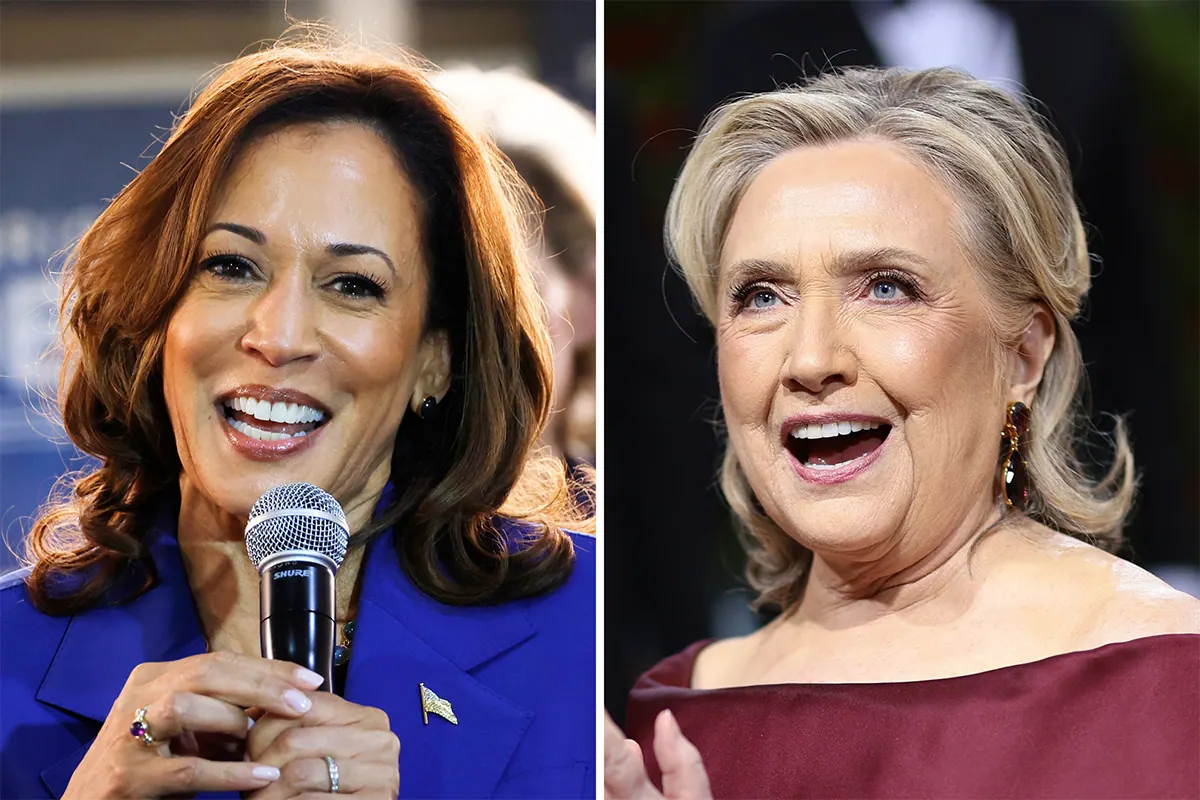
Hillary Clinton, a highly experienced politician, came closest to achieving this milestone in 2016. As a senator, secretary of state, and First Lady, she possessed a unique blend of skills and experience. Her strong presence within the Democratic Party and her impressive track record made her a formidable candidate. Nevertheless, she ultimately fell short of securing the presidency.
Another notable figure, Kamala Harris, has also made history by becoming the first woman to hold the office of Vice President, as well as the first woman of Asian and African descent to do so. Despite her remarkable achievements, Harris's ambitions for the presidency have been met with obstacles, reflecting the complexities of American politics.
The reasons behind the absence of a female president in the United States are multifaceted. Presidential elections in the country involve more than just selecting the most competent individual; they require a leader who can effectively manage the nation's affairs, navigate complex policy issues, and embody the values of the American people.
The concept of leadership in the United States is deeply rooted in tradition, which often prioritizes experience, charisma, and a range of intangible qualities. These factors can make it challenging for even highly qualified candidates to succeed. The electoral process also involves a range of issues, including economic policy, national security, and social issues, which can be daunting for any candidate to navigate.
The experiences of Clinton and Harris serve as examples of the difficulties faced by women in American politics. Rather than being attributed to their gender, their inability to secure the presidency highlights the intricacies of the electoral process and the qualities that American voters prioritize in their leaders.
Ultimately, the United States requires leaders who possess the skills, experience, and character necessary to effectively govern the country. The nation's democratic system will continue to evolve, and it remains to be seen whether a woman will eventually take the reins as president. For now, the discussion surrounding this issue serves as a reminder of the complexities of American politics and the qualities that define effective leadership.
Key points
- Despite being a pioneer in democratic governance, the United States has yet to elect a female president.
- The absence of a female president in the United States can be attributed to the complexities of the electoral process and the qualities that American voters prioritize in their leaders.
- The experiences of Hillary Clinton and Kamala Harris serve as examples of the difficulties faced by women in American politics.