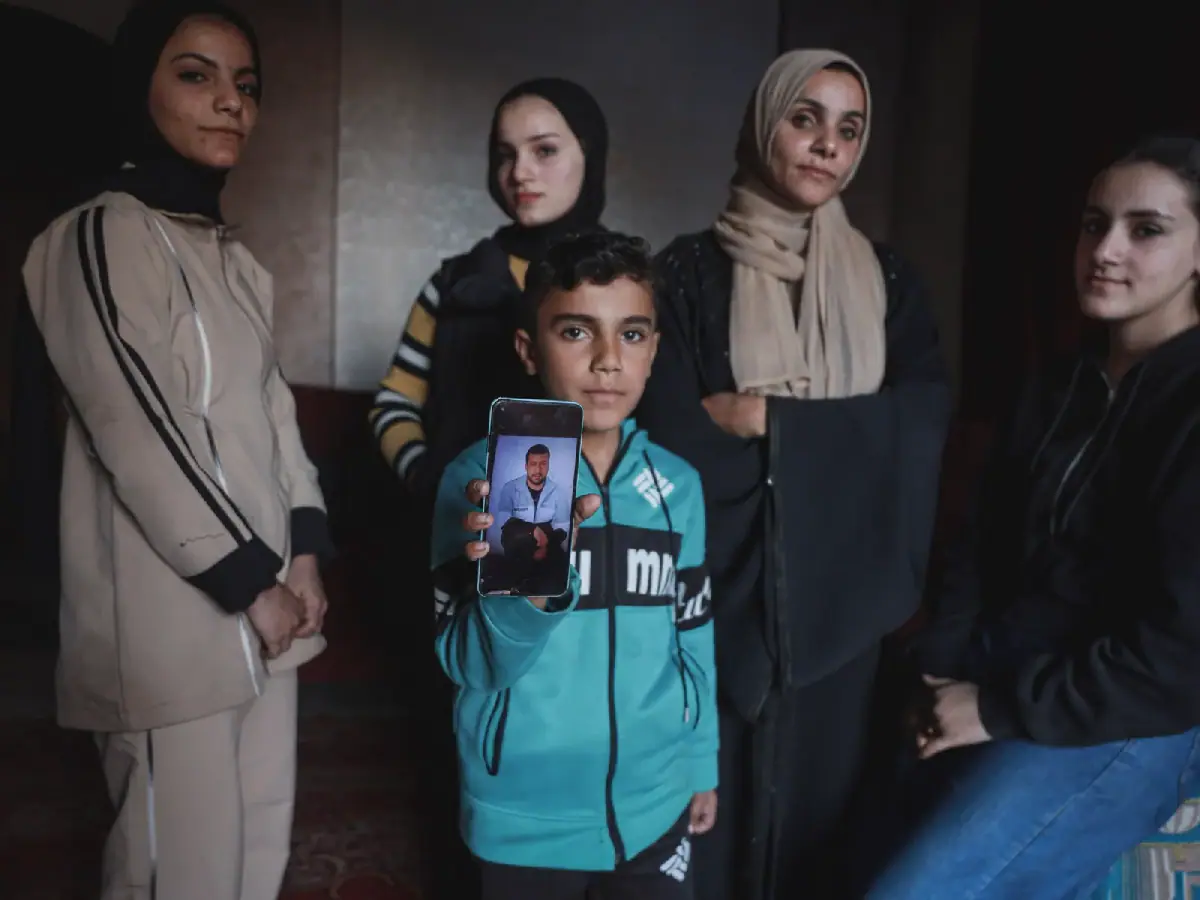
Fadi Zughra, a 43-year-old father of four, was released from Israeli prison in February after serving an 8.5-year sentence. However, his family was shocked to learn that he was still incarcerated. His wife, Shmou, had confirmed his release with the International Committee of the Red Cross (ICRC) to ensure his freedom. According to the Palestinian Commission of Detainees and Ex-Detainees Affairs, Fadi is among 48 prisoners from Gaza still held by Israel despite having completed their sentences.
The ongoing detention of these prisoners raises questions about the legality of holding them. Palestinian prisoner organisations claim Israel has applied its Unlawful Combatants Law to justify continuing their detention. This law, enacted in 2002, permits the incarceration of individuals deemed “unlawful combatants” without a conviction, pending judicial review. Fadi was arrested while fishing on August 15, 2016, alongside other fishermen, and his wife contends he was wrongfully accused of smuggling and sabotage.
Hanan Harara, another prisoner’s wife, faces similar uncertainty regarding her husband, Hisham Harara. Following news of a prisoner release, she always checks the lists for his name. On one occasion, after hearing of arrivals at Gaza’s European Hospital, she hurried there from Deir el-Balah, only for her husband not to come home. Her children have grown despondent with the repeated letdowns. Hisham completed a nine-year sentence in December 2024 but remains in custody.
As of October, over 9,400 Palestinians were reported to be in Israeli custody, including 1,419 classified as “unlawful combatants” from Gaza. Conditions have worsened since the onset of Israel’s war on Gaza, with human rights organisations documenting numerous abuses. The families of Hadi and Hisham have faced increasing difficulty since the start of the conflict, with Shmou and her children being displaced during the conflict.
The families of these prisoners are left in the dark about their loved ones’ knowledge of the ongoing war and their families’ wellbeing. Shmou has received messages from former prisoners passing along Fadi’s safe status, along with his concerns about their safety. However, she fears that detainees are sometimes given inaccurate information about their families. The ICRC has reported it cannot visit Palestinian detainees due to the war, hindering its ability to monitor their conditions.
Both women continue to hope for their husbands’ return and to reassure their loved ones that they are waiting for them. “We want him to know that we’re still here,” Hanan said of Hisham. Shmou echoes that sentiment, wishing for Fadi to return soon to be part of their lives again. “His daughters have grown up, and his son has too. He is losing his youth,” she lamented.
The detention of these prisoners has significant impacts on their families, particularly the children. Sakher, Fadi’s 11-year-old son, has struggled with the loss of his father’s presence. Hanan manages her seven children alone, as their youngest, Eileen, was only a baby when Hisham was detained. She reflects, “When Hisham was detained, I became both a mother and a father.”
Key points
- 48 Gaza prisoners remain in Israeli custody despite completing their sentences.
- Israel’s Unlawful Combatants Law permits detention without conviction, pending judicial review.
- Over 9,400 Palestinians are reported to be in Israeli custody, including 1,419 classified as “unlawful combatants” from Gaza.
Reporting sources
- Sentences Issued, Yet Gaza Detainees Remain in Israeli Custody | Israel-Palestine Conflict News · sierraleonetoday.co.com