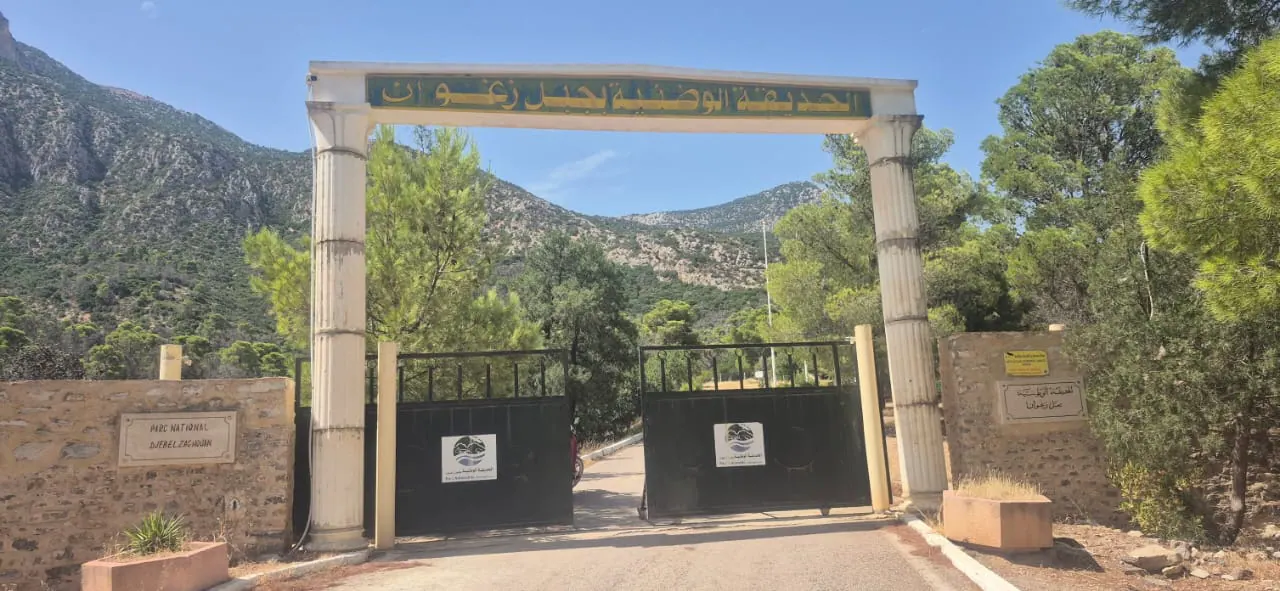
The Zaghouan region in Tunisia is known for its breathtaking landscapes and rich cultural heritage, making it a prime location for tourism development. However, several projects aimed at boosting the local tourism industry have stalled, and various issues are hindering progress. According to recent reports, the region's tourism sector is facing significant challenges that need to be addressed to unlock its full potential. The local authorities are working to identify solutions to these problems and reactivate stalled projects. This has become a priority to promote economic growth and job creation in the area.
One of the main issues affecting the tourism sector in Zaghouan is the lack of infrastructure and facilities. The region's roads, accommodations, and amenities are in need of upgrade and expansion to cater to the growing number of tourists. Moreover, the region's rich cultural heritage, including historic sites and monuments, requires preservation and restoration efforts to make it more attractive to visitors. Several initiatives have been launched to address these issues, but progress has been slow due to bureaucratic and financial constraints.
The local authorities in Zaghouan are working closely with the central government and international partners to secure funding and technical assistance for tourism development projects. However, the process is often hampered by red tape and delays in decision-making. This has led to frustration among local stakeholders, including business owners and community leaders, who are eager to see tangible results from these efforts. They emphasize the need for swift action and effective coordination to overcome the existing hurdles.
In addition to infrastructure and funding issues, the tourism sector in Zaghouan is also facing challenges related to marketing and promotion. The region's unique attractions and experiences need to be showcased more effectively to attract a wider audience. This requires a well-planned marketing strategy that highlights the region's natural beauty, cultural heritage, and hospitality. Local tourism operators and authorities are exploring new ways to promote Zaghouan as a tourist destination, including social media campaigns and partnerships with travel agencies.
Despite these challenges, there are signs of hope for the tourism sector in Zaghouan. Several new projects are underway, including the development of eco-tourism initiatives and rural tourism programs. These projects aim to create new opportunities for local communities and promote sustainable tourism practices. Moreover, the region's natural attractions, such as its forests, mountains, and lakes, offer a unique selling point for tourism development. If harnessed effectively, these assets could help Zaghouan become a major tourist destination in Tunisia.
The Zaghouan region is also home to several festivals and events that celebrate its cultural heritage. These events, such as the Pomegranate Festival, attract visitors from across the country and offer a glimpse into the region's rich cultural traditions. However, more needs to be done to promote these events and make them more accessible to a wider audience. This includes improving infrastructure, providing better amenities, and enhancing the overall visitor experience.
To overcome the existing challenges, the local authorities and stakeholders in Zaghouan need to work together to develop a comprehensive strategy for tourism development. This strategy should prioritize infrastructure development, marketing and promotion, and community engagement. By addressing these key areas, Zaghouan can unlock its full potential as a tourist destination and become a major contributor to Tunisia's economy.
Key points
- The Zaghouan region faces significant challenges in its tourism sector, including stalled projects and infrastructure issues.
- Local authorities are working to address these challenges and reactivate stalled projects to promote economic growth.
- The region's natural attractions and cultural heritage offer a unique selling point for tourism development.