For children with autism spectrum disorder, everyday experiences can be overwhelming due to sensory processing difficulties. Peter Mwangi's four-year-old daughter, Amani, would wake up at 2 am every night, unable to settle, and would rock herself back and forth, flap her hands, and cry for hours. After her diagnosis, an occupational therapist assessed Amani and recommended changes to her home environment, including warm, dimmable lighting, soft music, and a quiet corner with cushions. These adjustments significantly reduced her meltdowns and helped her sleep through the night.
Occupational therapist Sanaipei Kimiti explains that children with autism have difficulties processing information from their senses, including the five common senses and the vestibular sense, proprioception, and interoception. She recommends creating a sensory-friendly space, or sensory room, where environmental stimulation can be adjusted to suit a child's needs. This safe space can help children with sensory integration dysfunction relax and feel balanced. However, Kimiti cautions that a sensory room should not be used as a cure or substitute for professional therapy.
Edyth Bones, a mother of five, has spent years observing and understanding her 16-year-old son, Leroy, who was diagnosed with autism and ADHD at two and a half. She introduced positive smells in the home, such as lavender diffusers, to help Leroy transition from seeking negative smells. She also incorporated movement-friendly furniture and a small trampoline to cater to his love of jumping and swinging. Additionally, Edyth created a weighted duvet using beads to provide Leroy with a calming, pressure-filled sensation.
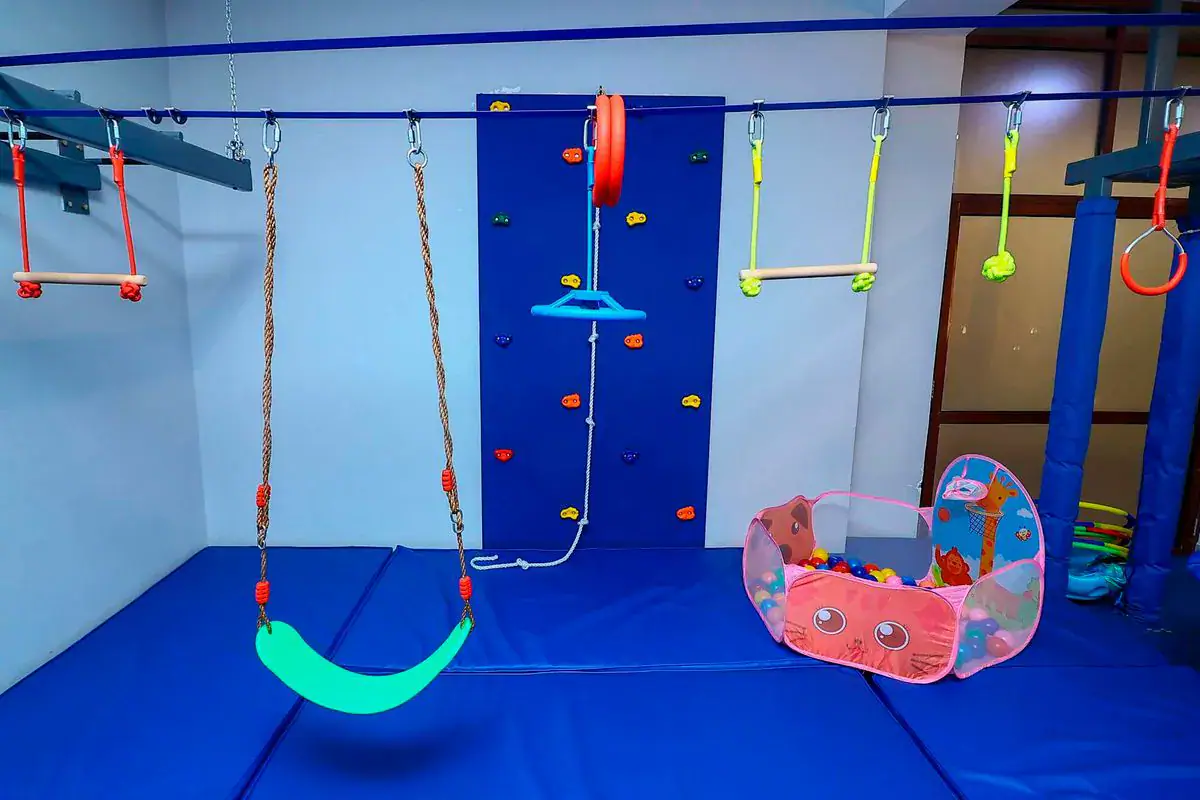
NeuroNest CEO and Co-founder Gloria Karanja emphasizes the importance of creating a supportive environment for children with autism. The organization's facility in Westlands, Nairobi, features a sensory play and therapy area with interactive wall features and colorful activities. Karanja's work highlights the need for adaptable and accessible spaces that cater to the unique needs of children with autism.
Sanaipei offers practical suggestions for parents looking to adapt their homes. For lighting, she recommends replacing harsh fluorescent lighting with warm, dimmable LED bulbs and using thick curtains to regulate natural light. Choosing calming, natural colors and avoiding overly bright colors and shiny finishes can also help create a soothing environment. Furthermore, using thick rugs, curtains, and floor cushions can reduce echo and create a more comfortable space.
Kimiti also advises parents to consider clutter, smell, and furniture when creating a sensory-friendly home. Keeping toys organized in woven baskets or cupboards can help reduce overwhelm, while avoiding strong fragrances and scented candles can be beneficial for children sensitive to smell. Choosing sturdy, compact furniture with minimal sharp edges and creating a safe area for movement can also contribute to a supportive environment.
By understanding and catering to the unique needs of children with autism, parents can create a home environment that promotes comfort, well-being, and development. With the help of occupational therapists and accessible materials, families can adapt their homes to provide a supportive space for their children to thrive. As Edyth Bones notes, "You're transitioning them" – gradually adjusting the environment to help children with autism become more comfortable and confident.
Key points
- Creating a sensory-friendly space can help reduce meltdowns and improve the overall well-being of children with autism.
- Occupational therapists recommend adapting homes to meet the unique needs of children with autism, including adjusting lighting, sound, and furniture.
- Parents can use locally available materials to create a comfortable and supportive environment for their children with autism.
Reporting sources
- How to design rooms for a child with autism · Business Daily Africa