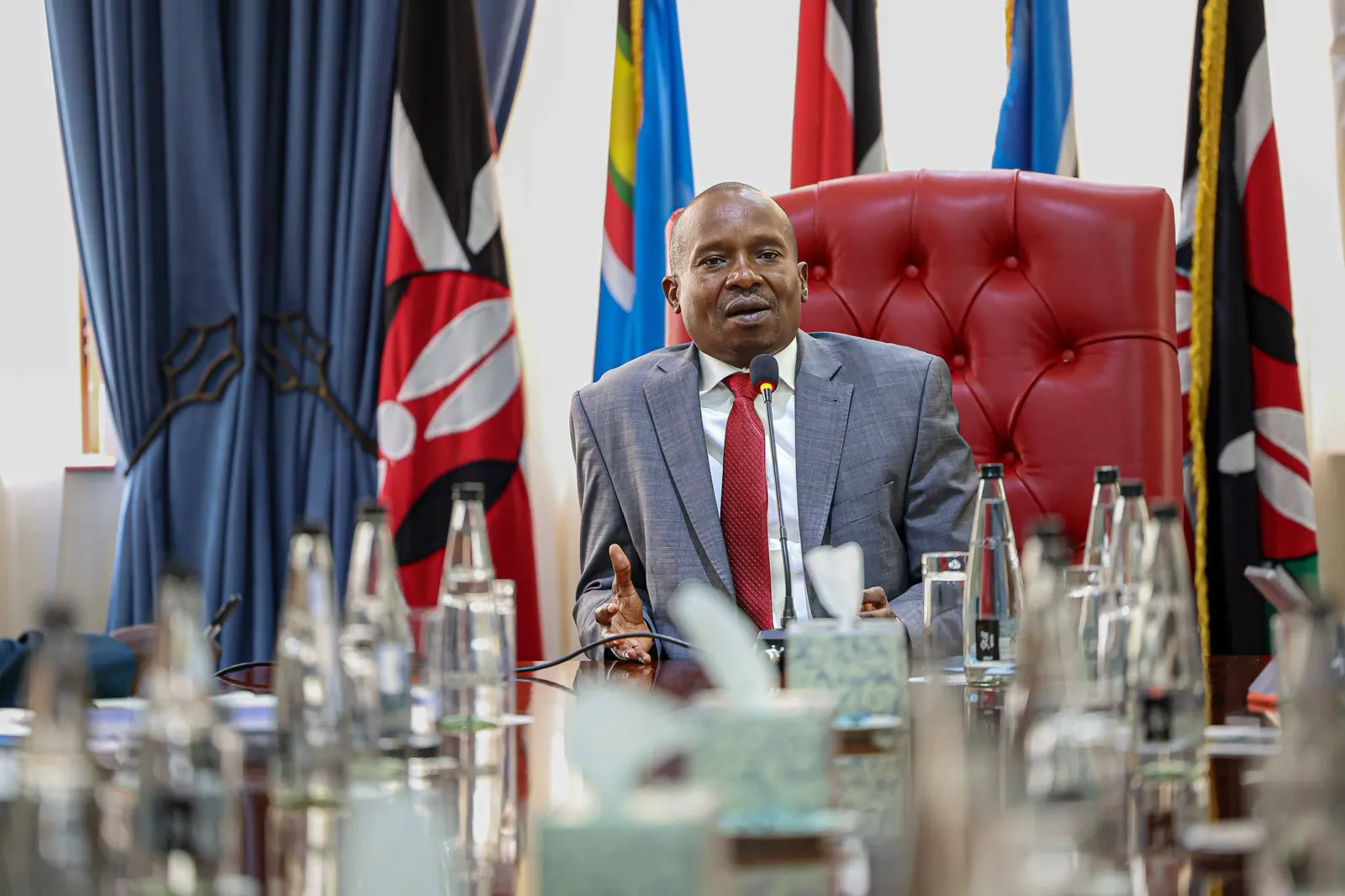
The Kenyan government has revoked the licences of eight manufacturers of second-generation alcohol as part of a broader effort to curb illicit alcohol and narcotic drug cartels. Deputy President Kithure Kindiki announced the move on October 7, stating that it follows intelligence-led operations coordinated through a multi-agency command. The operations have stepped up enforcement against criminal networks involved in the production and distribution of illicit alcohol.
The eight firms are among 36 second-generation alcohol manufacturers whose licences were suspended in 2024 for breaching public health, environmental, security and quality regulations. Kindiki noted that the remaining 26 suspended manufacturers have complied with the earlier order and will be re-inspected promptly. The Deputy President emphasized that the government is committed to ensuring that all manufacturers operate within the law.
A high-level, multi-sectoral team chaired by the Deputy President will meet bi-weekly to coordinate enforcement, engage industry stakeholders and local communities, and assist victims of crimes linked to illicit alcohol and drug cartels. The team will work to identify and dismantle networks involved in the production and distribution of illicit alcohol. This effort is part of the Zero Tolerance Initiative against illicit alcohol and drug cartels.
Kindiki warned that individuals manufacturing illicit alcohol in both rural and urban settings will be identified, severely punished and have their networks dismantled. He emphasized that the Zero Tolerance Initiative will operate without political interference, and that the government is committed to taking a tough stance on illicit alcohol and narcotics.
Within a month, the government plans to propose new legislative measures aimed at tightening controls on ethanol imports and deterring the diversion of industrial ethanol for illicit alcohol production. The measures are intended to prevent the misuse of industrial ethanol and to ensure that all manufacturers operate within the law.
The crackdown on illicit alcohol and drug cartels is part of a broader effort to improve public health and safety in Kenya. The government has expressed concern about the impact of illicit alcohol on public health, and has pledged to take action to address the problem. The Deputy President's announcement is seen as a significant step in this effort.
The licences of the eight manufacturers were cancelled as a result of their failure to comply with regulations, and the government has made it clear that it will take a tough stance on non-compliance. The Deputy President's announcement has been welcomed by industry stakeholders, who have expressed support for the government's efforts to crack down on illicit alcohol and drug cartels.
Key points
- Eight second-generation alcohol manufacturers have had their licences cancelled in Kenya's crackdown on illicit alcohol and drug cartels.
- The Kenyan government plans to propose new legislative measures aimed at tightening controls on ethanol imports and deterring the diversion of industrial ethanol for illicit alcohol production.
- The Zero Tolerance Initiative against illicit alcohol and drug cartels will operate without political interference.