On September 30, 2005, the Danish newspaper Jyllands-Posten published 12 cartoons of Prophet Muhammad, sparking widespread outrage and protests across the Muslim world. The most provocative cartoon depicted the Prophet wearing a turban shaped like a bomb with a lit fuse. The publication was intended to illustrate the limits of free speech, but it ultimately led to a diplomatic crisis and economic losses for Denmark.
The controversy began when Flemming Rose, the cultural editor of Jyllands-Posten, expressed concerns about self-censorship in the Danish media when dealing with Islamic symbols. He invited 40 Danish cartoonists to submit their depictions of the Prophet, and 12 artists responded. The cartoons were published under the title "The Face of Muhammad," and the move was seen as a challenge to the limits of free speech.
The Danish government, led by Prime Minister Anders Fogh Rasmussen, initially refused to intervene, citing the importance of press freedom. However, this stance only fueled the outrage, and protests spread across the Middle East and Islamic world. Ambassadors from 11 Islamic countries met with Rasmussen to demand an apology, but he declined, arguing that the government had no role in regulating press content.
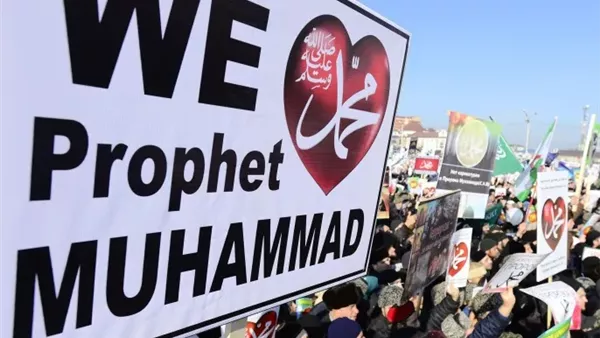
As the protests gained momentum, Danish products, particularly dairy and food products from major companies like Arla, faced boycotts and bans in several countries. The economic losses were significant, with estimates suggesting that the controversy cost Denmark hundreds of millions of dollars. The protests also turned violent, with the Danish and Norwegian embassies in Damascus being set on fire, and clashes between protesters and security forces reported in several cities.
The controversy highlighted the deep divisions between the Western and Islamic worlds on issues of free speech and blasphemy. While Western governments and media outlets argued that the cartoons were a legitimate exercise of free speech, Muslim leaders and communities saw them as blasphemous and hateful. The debate raised questions about the limits of free speech and the need for greater understanding and respect between cultures.
The controversy also had significant consequences for the individuals involved. Kurt Westergaard, the cartoonist who drew the most provocative image, faced multiple death threats and was placed under police protection. He lived under armed guard for several years and was eventually killed in 2021. The Jyllands-Posten newspaper and its editors also received numerous threats and were subject to police protection.
In the years that followed, the controversy continued to have a ripple effect, contributing to increased tensions between the West and the Islamic world. The 2015 attack on the French satirical magazine Charlie Hebdo, which republished the cartoons, was seen as a direct consequence of the Danish controversy. The debate over free speech, blasphemy, and cultural sensitivity remains ongoing, with no clear resolution in sight.
Key points
- The controversy resulted in significant economic losses for Denmark, estimated to be in the hundreds of millions of dollars.
- The publication of the cartoons sparked widespread protests and violence across the Muslim world.
- The controversy highlighted the deep divisions between the Western and Islamic worlds on issues of free speech and blasphemy.