Residents of Damazin and Roseires localities in Sudan's Blue Nile region are facing a surge in dengue fever and malaria cases. The rise in cases is attributed to continued rainfall, stagnant water, and shortages of medicines. Mohamed Ibrahim, a resident of Damazin, reported that several members of his family had contracted the diseases. He also noted that some medicines and intravenous fluids are difficult to find and have become increasingly expensive.
The situation is further complicated by inadequate healthcare access, particularly in Taiba Al-Balilab village in Roseires locality. Maha Awad, a resident of the area, stated that access to healthcare had become increasingly difficult due to high medicine prices and inadequate supplies. The rising costs and shortages have raised concerns about the spread of mosquito-borne diseases as the rainy season continues.
According to Dr. Bilal Al-Daw Gujja, director of the General Administration for Emergencies and Epidemic Control in Blue Nile, 681 dengue cases had been confirmed in Damazin as of July. More than 600 suspected cases were recorded since June. A medical source reported that some health facilities were overcrowded, while the cost of medical tests had increased and some medicines were in short supply.
Authorities had previously carried out mosquito-control measures, including removing breeding sites and spraying insecticides in affected areas of Damazin. The campaign was later expanded to Roseires. Despite these efforts, a civil society activist reported that dengue cases had increased in Damazin and Roseires, calling on health authorities to intensify mosquito-control measures.
The situation is particularly concerning among displaced people, with local sources reporting in July that dengue fever and malaria were spreading. The Damazin Resistance Committees previously warned of a wider spread of dengue fever and reported cases and deaths, although the figures were not confirmed by the Ministry of Health.
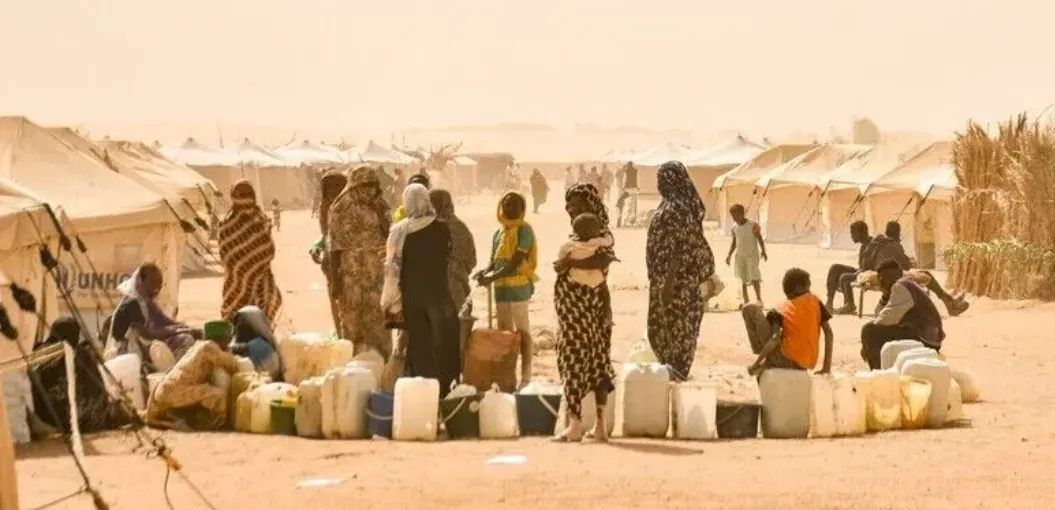
The Blue Nile region is currently hosting a significant number of displaced people, with 12 main displacement camps, most of them in Damazin and Roseires. Continued rainfall, stagnant water, mosquito exposure, overcrowding, and limited health services are increasing concerns about the spread of mosquito-borne diseases.
Despite the growing concerns, Radio Tamazuj was unable to obtain comment from the Blue Nile Ministry of Health on the latest reports or the number of dengue and malaria cases recorded so far. The humanitarian needs in the region are expected to increase as the rainy season continues.
Key points
- Residents of Sudan's Blue Nile region face increased dengue fever and malaria cases due to rainfall, stagnant water, and medicine shortages.
- Inadequate healthcare access and high medicine prices exacerbate the situation, particularly among displaced people.
- Authorities are urged to intensify mosquito-control measures to prevent further spread of mosquito-borne diseases.