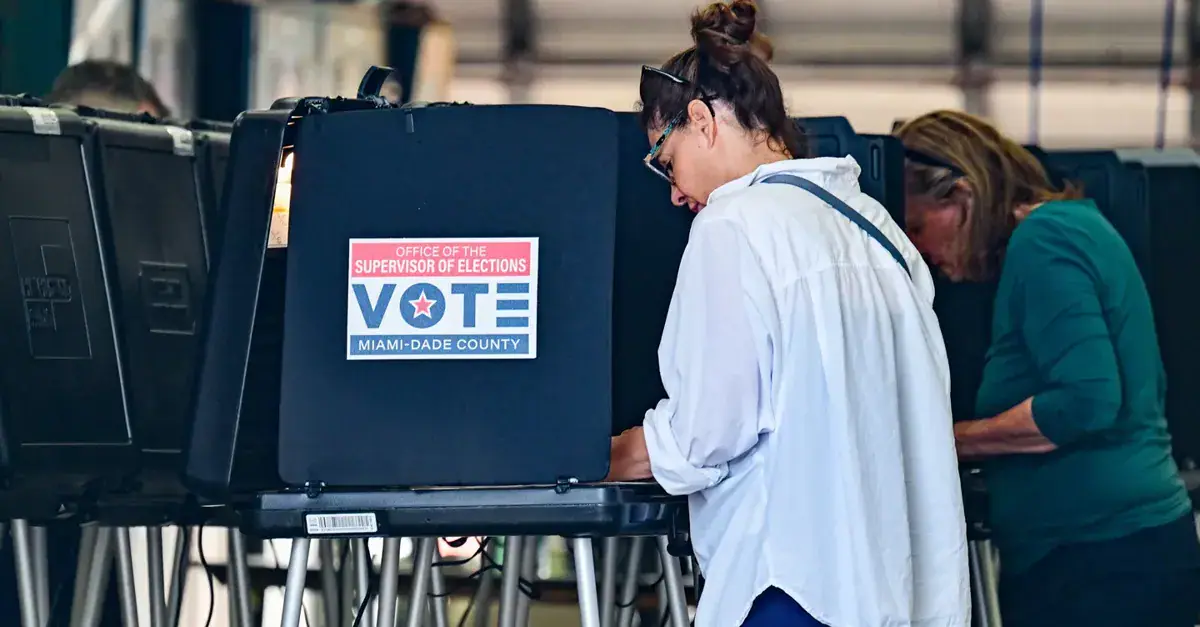
In a significant shift in power, Democrats have emerged victorious in the US midterm elections, regaining control of both the House of Representatives and the Senate. According to results announced by the Associated Press, Democrats have secured 54 seats in the Senate, surpassing the 43 seats won by Republicans. In the House of Representatives, Democrats have won 232 seats, compared to 167 for Republicans. This outcome marks a substantial change in the balance of power in Washington.
The Democratic victory was not without its challenges, as the party faced a difficult electoral landscape. However, key wins in competitive states proved crucial in securing their majority. Notably, Texas and Kansas elected their first Democratic senators in decades, James Talalico and Adam Hamilton, respectively. Additionally, Democrats gained Senate seats in Ohio, Iowa, North Carolina, and South Carolina. These victories have significant implications for the remainder of President Donald Trump's term.
Pre-election polls indicated that President Trump's approval ratings were at an all-time low, which may have contributed to the Democratic surge. The President's agenda now faces significant hurdles, as Democrats have the power to block legislation and exercise greater oversight of executive branch agencies. With control of Congress, Democrats can now investigate and scrutinize the Trump administration's policies and actions.
The outcome of the midterm elections has far-reaching consequences for the Trump presidency. Democrats have promised to hold the administration accountable and investigate various issues, including allegations of misconduct and potential conflicts of interest. Furthermore, the new Democratic majority in the House will enable them to conduct hearings and gather information on key issues.
In the Senate, Democrats will have greater influence over the confirmation process for judicial and executive branch nominees. This could lead to increased scrutiny of Trump's appointments and potentially hinder his ability to shape the federal judiciary and executive branch. The Senate's role in advising and consenting on key nominations will be critical in the coming years.
The Democratic victory has been attributed to various factors, including voter turnout and enthusiasm. The party's campaign focused on issues such as healthcare, the economy, and accountability, resonating with voters. Additionally, the Democratic Party's efforts to mobilize and engage with voters, particularly in underrepresented communities, may have contributed to their success.
As the 116th Congress prepares to convene, Democrats face significant challenges in governing and delivering on their campaign promises. The party's leaders have emphasized the need for bipartisanship and cooperation, but it remains to be seen how they will work with Republicans to address pressing issues. The coming months and years will be crucial in determining the impact of the midterm elections on American politics.
Key points
- Democrats have won a majority in both the US House of Representatives and the Senate.
- The outcome of the midterm elections gives Democrats significant influence over the Trump administration's agenda and policies.
- The Democratic victory has implications for the confirmation process for judicial and executive branch nominees.