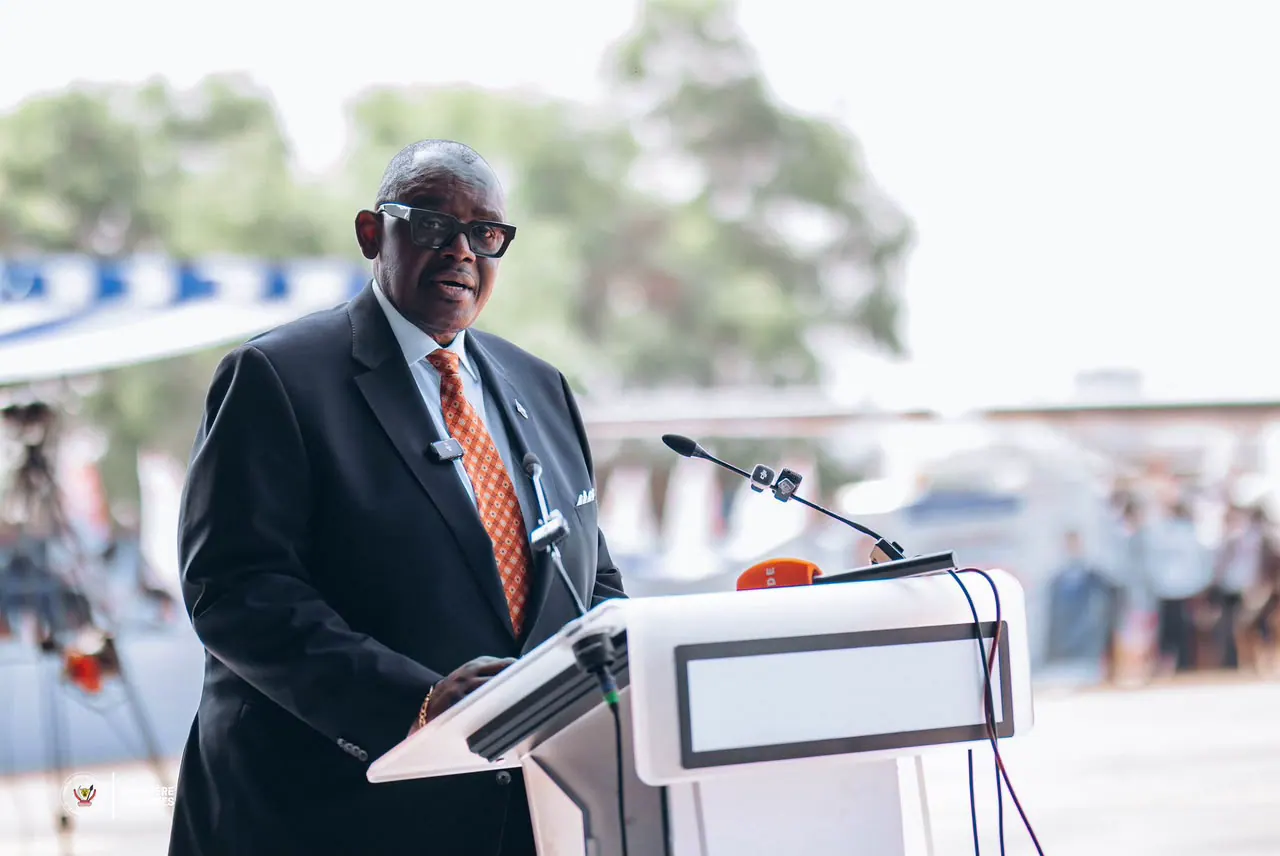
The Democratic Republic of Congo has officially launched the Program for Airborne Geophysical and Geological Mapping (PC2G-RDC), a comprehensive initiative aimed at enhancing the country's understanding of its subsurface. The program was launched on September 5, 2026, under the patronage of President Félix-Antoine Tshisekedi Tshilombo. The ceremony was attended by high-ranking officials, including the Deputy Prime Minister and Minister of the Interior, the Spanish Ambassador to the DR Congo, and other notable guests.
The PC2G-RDC program is technically coordinated by the National Geological Service of Congo (SGN-C), which falls under the Ministry of Mines. The program's financing is secured by the Mining Fund for Future Generations (FOMIN). The implementation of the program has been entrusted to the Spanish firm Xcalibur Multiphysics Group SL. The program is expected to run for 36 months and will involve the deployment of eight aircraft to collect magnetic, radiometric, gravimetric, and electromagnetic data.
The program will cover several areas of the country, including Kongo Central, Kwango, Kwilu, Grand Kasaï, and Grand Katanga. The data collected will be processed, interpreted, and complemented by geological fieldwork. The program also includes a significant component of capacity building and training for Congolese geologists, researchers, technicians, and students. This initiative is seen as a strategic investment in the country's future, aimed at reducing the risks and costs associated with exploration.
The Minister of Mines, Louis Watum Kabamba, emphasized the importance of this program, highlighting its potential to inform decision-making and support the country's economic development. He noted that the program would provide a better understanding of the country's subsurface, which would benefit the state, investors, and the Congolese people. The minister's vision is to create a virtuous cycle of knowledge, exploration, and valorization, ultimately leading to the creation of value and jobs.
The PC2G-RDC program aligns with the country's national vision, which prioritizes scientific knowledge as a driver of economic transformation and responsible management of natural resources. The program is also in line with the vision of the Head of State, under the coordination of Prime Minister Judith Suminwa. The initiative is expected to have a positive impact on the country's mining sector and economy as a whole.
The program's implementation is a significant step towards achieving the country's goals in the mining sector. The data collected will provide a solid foundation for informed decision-making and will help to attract investment in the sector. The program's focus on capacity building and training will also contribute to the development of local expertise and the growth of the country's mining industry.
The launch of the PC2G-RDC program marks a major milestone in the DR Congo's efforts to better understand its subsurface and inform exploration efforts. The program's success will depend on effective coordination and implementation, as well as the involvement of local stakeholders. With the support of international partners, including the Spanish firm Xcalibur Multiphysics Group SL, the program is expected to deliver significant benefits for the country and its people.
Key points
- The program aims to reduce the risks and costs associated with exploration by providing a better understanding of the country's subsurface.