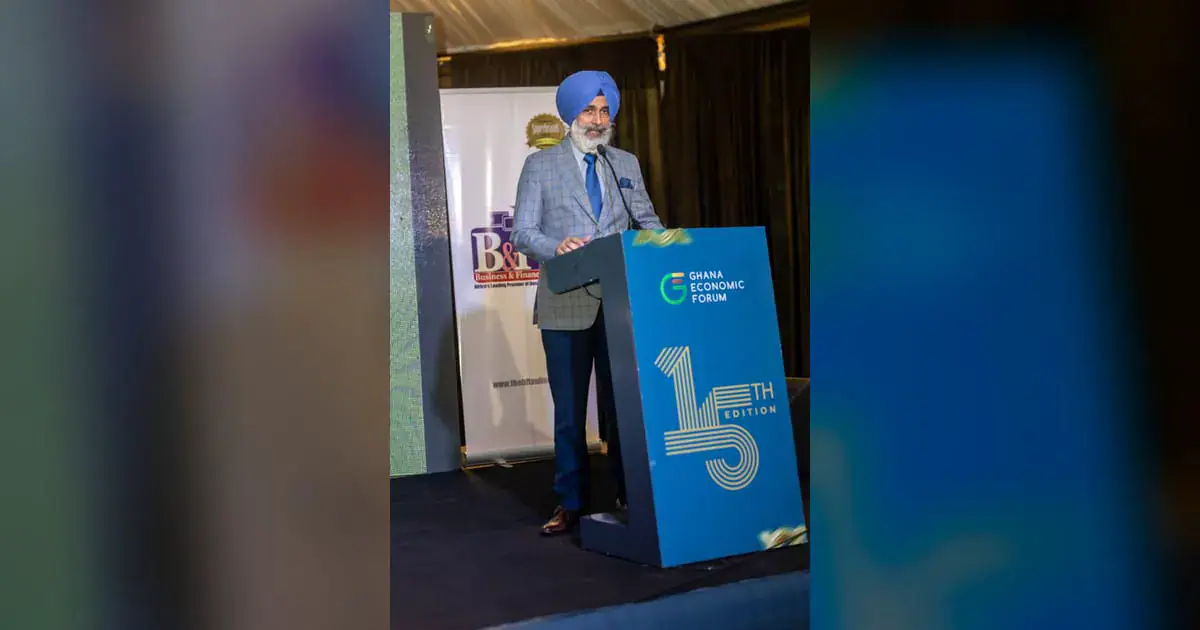
As artificial intelligence continues to make information increasingly accessible and routine tasks easier to automate, the importance of human talent as an economic resource is becoming more pronounced. According to Amar Deep S. Hari, Executive Chairman of IPMC Group, policies must be deliberately tailored to harness such talent. This call to action comes at a time when the global economy is rapidly evolving, with technology playing a critical role in shaping the future of work.
The impact of AI on the workforce is a pressing concern, with many jobs being automated, and new ones requiring skills that are yet to be defined. In Ghana, as in many other countries, the need for strategic planning to prepare the youth for an AI-driven economy has become imperative. Hari's assertion underscores the significance of proactive measures to ensure that the youth are equipped with the necessary skills to thrive in a rapidly changing job market.
The Business and Financial Times reported Hari's comments, highlighting the need for a paradigm shift in how Ghana approaches education and skills development. With AI increasingly taking over routine tasks, there is a growing demand for skills that are complementary to technology, such as critical thinking, creativity, and problem-solving. The IPMC Group chairman's call for tailored policies aims to address this skills gap and ensure that Ghana's youth are well-prepared for the challenges and opportunities presented by AI.
The Ghanaian government's efforts to drive economic growth and development through technology and innovation are well-documented. However, the effective implementation of these initiatives requires a skilled and adaptable workforce. By prioritizing policies that support skills development and education, the government can help create a workforce that is capable of leveraging AI and other technologies to drive growth and innovation.
The importance of human talent in an AI-driven economy cannot be overstated. As Hari noted, human talent will become a more valuable economic resource as AI continues to automate routine tasks. By investing in education and skills development, Ghana can unlock the full potential of its youth and position them for success in a rapidly changing job market.
The development of a skilled and adaptable workforce requires a collaborative effort from government, industry, and civil society. By working together, these stakeholders can identify the skills and competencies required for success in an AI-driven economy and develop targeted interventions to support skills development. This collaborative approach will be critical in ensuring that Ghana's youth are well-prepared for the challenges and opportunities presented by AI.
As Ghana continues to navigate the complexities of an AI-driven economy, the need for deliberate policies to prepare the youth for this new reality has become clear. With the right skills and support, Ghana's youth can thrive in a rapidly changing job market and contribute to the country's economic growth and development. The call to action by IPMC Group's Executive Chairman serves as a reminder of the importance of proactive measures to address the challenges and opportunities presented by AI.
Key points
- IPMC Group's Executive Chairman Amar Deep S. Hari calls for tailored policies to harness human talent as AI makes information more accessible.
Reporting sources
- Business | November 23, 2026 Deliberate policies needed to prepare youth for AI era - IPMC chairman · Business and Financial Times