The Rironi-Naivasha dual carriageway project in Kenya is expected to miss its October deadline due to delays in the supply of bitumen, a key material used in road construction. Transport Cabinet Secretary Davis Chirchir attributed the delays to disruptions in global petroleum supplies, citing tensions involving the United States and Iran. The disruptions have affected the supply of petroleum products, including bitumen, which is transported through the Strait of Hormuz, a major international shipping route.
According to Chirchir, the price of bitumen has more than doubled in the past six months, rising from Sh90 per kilogramme to Sh220 currently. This increase has slowed down works on the highway, adding to the project's costs. The Cabinet Secretary disclosed that the government is exploring ways to reduce the cost of importing bitumen by consolidating orders and bringing in larger vessels. This strategy aims to manage the cost of building roads in Kenya.
Despite the challenges, Chirchir expressed optimism that the contractor would complete the Rironi-Naivasha section before the end of the year. He urged the contractor to honour the revised timeline and ensure the road is opened to motorists by December. The latest timeline marks a shift from the earlier October 30 deadline, which Chirchir had announced in September. The Rironi-Naivasha section is part of the Rironi-Mau Summit road project, which aims to improve connectivity between Nairobi and western Kenya.
The Rironi-Naivasha road project is crucial in easing congestion and reducing travel time for motorists. Once completed, the dual carriageway will help lower the cost of doing business by improving the movement of people and goods along the busy transport corridor. The road serves as a key link for passenger and commercial transport, connecting Nairobi to Nakuru and other destinations in the Rift Valley and western Kenya.
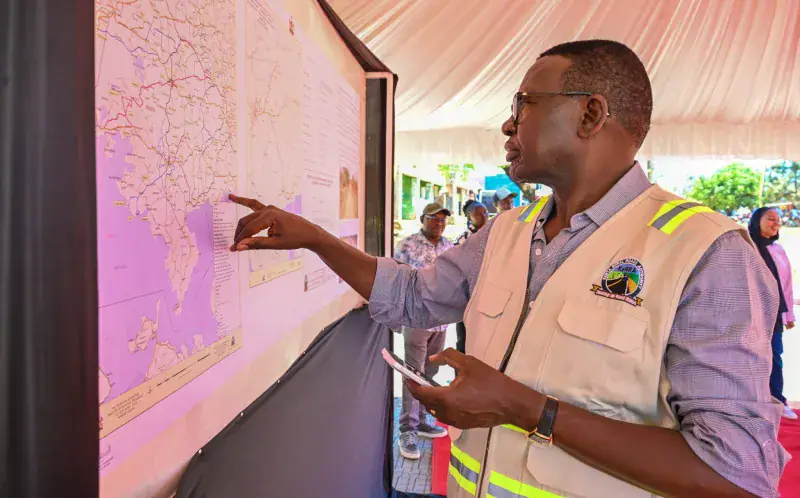
The government has emphasized that the wider road project is intended to improve transport efficiency, reduce travel delays, and support economic activity along the corridor. The project will enhance the movement of goods and services, contributing to Kenya's economic growth. The Transport CS inspected the ongoing works on Friday, assessing the project's progress and challenges.
Chirchir's visit to the project site highlighted the government's commitment to completing the Rironi-Mau Summit road project. The project will have a significant impact on the region's economy and transportation network. The Cabinet Secretary's assurance that the project will be completed by December has raised hopes that the road will be opened to traffic soon.
The Rironi-Naivasha dual carriageway project is a significant infrastructure development in Kenya, aimed at improving the country's transportation network. The project's completion will have a positive impact on the region's economy, reducing travel times and costs for motorists. The government remains committed to completing the project, despite the challenges faced.
Key points
- The Rironi-Naivasha road project faces delays due to global petroleum supply disruptions.
- The price of bitumen has more than doubled in the past six months, affecting the project's costs.
- The project is expected to be completed by December, despite missing the initial October deadline.