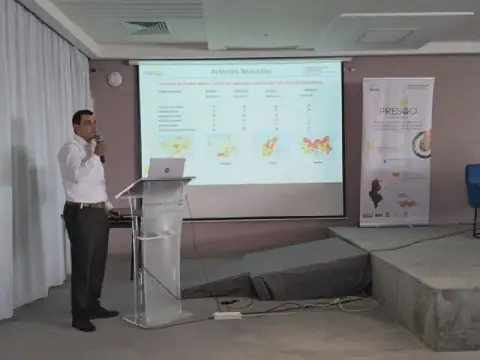
ActionAid Nigeria and Euphrates Climate Foundation have raised concerns that rising debt repayments may weaken Nigeria's capacity to finance climate action and protect vulnerable communities. The organisations made this known at a joint press conference, highlighting the impact of debt burden on resources needed to respond to climate change. They cited a report, Debt Fuels the Climate Crisis: How the Finance Flows, which examines the relationship between debt and climate finance in vulnerable countries.
According to the report, climate-vulnerable countries spend nearly 25 times more on debt repayments than on climate action. Additionally, 93.5 per cent of these countries are either in debt crisis or at significant risk of debt distress. ActionAid Nigeria Country Director, Dr Andrew Mamedu, emphasised that climate justice must prioritise people directly affected by environmental degradation and economic hardship. He mentioned that farmers, fishers, women, girls, and young people are among those most impacted.
Euphrates Climate Foundation Chief Executive Officer, Dr Nancy Seember Terhemba, noted that Nigeria faces similar pressure, with debt repayments projected to consume more than half of government revenue in 2026. This potentially limits resources for climate resilience and essential public services. The organisations stated that communities are already experiencing environmental degradation, damaged livelihoods, and food insecurity due to these challenges.
The impact of these challenges is particularly severe on women and girls, who face additional burdens such as increased unpaid care work, difficulty accessing water and food, and disruptions to education. ActionAid Nigeria and Euphrates Climate Foundation called for greater investment in renewable energy, sustainable agriculture, and flood prevention. They noted that nearly 40 per cent of Nigeria's population remains without access to electricity, despite the country being Africa's largest fossil fuel producer.
The organisations urged the Federal Government to adopt a sustainable and transparent public debt framework. This framework should protect spending on healthcare, education, social protection, and climate resilience. They also emphasised the need to ensure that climate funds are properly tracked and reach affected communities, including women, young people, and persons with disabilities.
ActionAid Nigeria and Euphrates Climate Foundation's concerns align with the findings of the international report. The report highlights the need for climate-vulnerable countries to address their debt burdens and allocate sufficient resources for climate action. The organisations' recommendations aim to support Nigeria in addressing these challenges and promoting sustainable development.
The warning by ActionAid Nigeria and Euphrates Climate Foundation underscores the need for urgent action to address the impact of debt repayments on climate funding in Nigeria. The organisations' call for a sustainable and transparent public debt framework and greater investment in climate resilience and essential public services is crucial in protecting vulnerable communities and promoting sustainable development.
Key points
- Rising debt repayments may weaken Nigeria's capacity to finance climate action and protect vulnerable communities.
- Climate-vulnerable countries spend nearly 25 times more on debt repayments than on climate action.
- Nigeria's debt repayments are projected to consume more than half of government revenue in 2026.