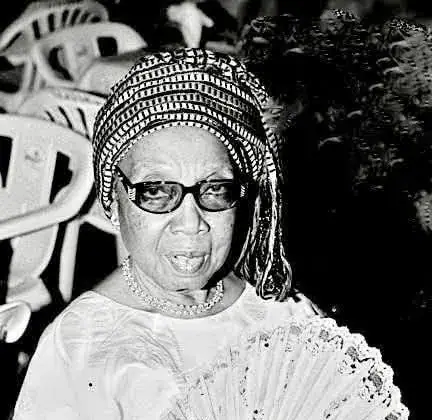
Egbinola Bolarinwa Alafia Institute was founded by Egbinola Bolarinwa, also known as Mrs. J. E. Bolarinwa, in Ibadan during the mid-20th century. Mrs. Bolarinwa left a lasting impact on Ibadan's educational landscape. She was the driving force behind Alafia Nursery and Primary School in Mokola and a prominent leader within the National Council of Women's Societies. Historians like Moshood A. Tomori credited Mrs. Bolarinwa among the pioneering founders of private schools in Ibadan.
The precise year of Alafia Institute's opening has long been debated. Tomori's scholarly works presented conflicting dates, citing both 1947 and 1955 as potential founding years. His earlier 2018 publication indicated 1955. Oyo State's school directory recorded 1955 for Alaafia Institute Primary School, Mokola, adding to the historical puzzle. This eight-year discrepancy highlights the challenges of chronicling early educational ventures in Nigeria.
Ibadan in the mid-20th century was a hub of educational expansion, with local communities understanding the value of schooling. Churches, public bodies, and individuals like Mrs. Bolarinwa contributed to this growth. Private institutions filled crucial gaps, serving a burgeoning population eager for access to learning. Alafia emerged within this competitive yet collaborative environment, contributing to Ibadan's vibrant educational fabric.
Mrs. Bolarinwa's public life was defined by her dual commitments to education and women's advocacy. As a devoted schoolteacher, she influenced young minds, shaping their formative years. Her active leadership in the National Council of Women's Societies connected her educational endeavors to broader social and national aspirations. This pivotal role exemplified a pioneering spirit for recognized public figures.
By July 1959, Alafia Institute had established itself within the national educational framework. Federal school examination notices prominently featured the school, marking a significant milestone. Candidates from Alafia Institute were invited for interviews for King's College in Lagos, underscoring Alafia's academic credibility and reach. The October 1959 gazette further solidified Alafia's standing, listing the school alongside successful candidates' names.
Alafia Institute's name resonated through the decades following its inception. A 2019 report referenced police officer Godwin Nwobodo, who completed primary school at Alafia Institute's Free Section in 1973. This detail extended the school's narrative into independent Nigeria. The mention of a "Free Section" hints at the school's adaptability and commitment to wider access.
Today, the Oyo State directory lists Alaafia Institute Primary School under Ibadan North, signifying its ongoing formal recognition as part of the state's educational infrastructure. Egbinola Bolarinwa's journey from dedicated teacher to pioneering school founder and women's leader revealed much about ambition in Nigeria. Her story underscored how individual initiative and sustained effort built foundational institutions, providing essential educational and social reforms that shaped a generation.
Key points
- The founding year of Egbinola Bolarinwa Alafia Institute is debated among historians, with dates ranging from 1947 to 1955.
Reporting sources
- Egbinola Bolarinwa Alafia Institute founding year debated · Nigerian Compass