The discussion around diabetes in Uganda has often centered on the role of traditional foods like Matooke, kalo, and posho. Last year, a front-page headline suggested a link between these staples and the rising incidence of diabetes. However, the Uganda Diabetes Association quickly countered that the study's findings were not conclusive, and that highly processed foods and those high on the glycaemic scale were more significant risk factors.
Researchers at St Francis Hospital Nsambya conducted a study to investigate the impact of traditional breakfasts on blood sugar levels. They gave 12 adults, six with and six without type 2 diabetes, three common breakfasts: katogo made with Matooke, bushera, and tea with bread. The results showed that katogo elicited the highest blood sugar response, but this was likely due to the large serving size of 125 grams of carbohydrate. The study highlights the complexity of the issue and the need for further research.
A key factor that has been largely overlooked in the debate is physical activity. Earlier generations in Uganda spent much of their day outdoors and on their feet, engaging in activities like digging, fetching water, and walking to the market. In contrast, many Ugandans today, particularly in urban areas, spend more time indoors and sedentary. National health surveys have shown that in towns, about a third of adults reported sitting for more than four hours a day in both 2014 and 2023.
The chair is not just an office problem; it is a growing concern in rural areas as well. The surveys found that the share of adults sitting for more than four hours a day increased from about a quarter to about three in ten in rural areas between 2014 and 2023. This shift towards a more sedentary lifestyle may be contributing to the rising incidence of raised blood sugar, particularly in rural areas.
The conventional wisdom that one should sit down and let food settle after eating may also be contributing to the problem. A trial in New Zealand found that adults with type 2 diabetes who walked for 10 minutes after each main meal had lower blood sugar levels than those who walked at any other time of the day. This suggests that simple changes to daily habits could make a significant difference in managing blood sugar levels.
The issue is further complicated by the fact that the effect of food on blood sugar levels depends on various factors, including portion size, cooking method, and physical activity. For example, Matooke cooked in its peel has a lower glycaemic index than peeled Matooke. However, there is a lack of published Ugandan studies that have investigated these factors in Ugandan bodies.
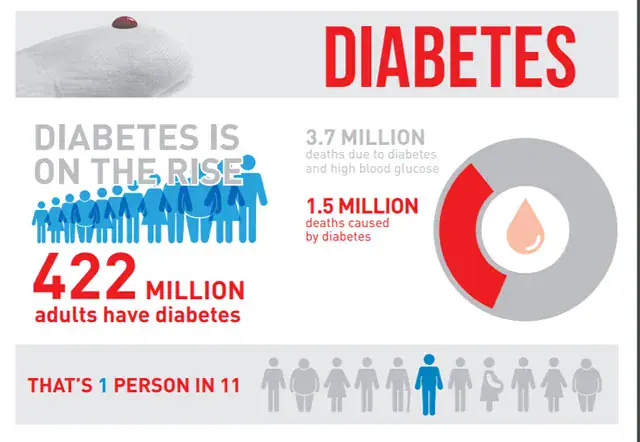
The importance of early action on diabetes cannot be overstated. Type 2 diabetes builds quietly over years, and for most of that time, a person feels fine. However, high blood sugar levels can damage blood vessels and nerves throughout the body, leading to serious complications like heart attack, stroke, and kidney failure. The International Diabetes Federation estimates that nearly three in four adults with diabetes in sub-Saharan Africa do not know they have it.
Key points
- The debate over food and diabetes in Uganda should consider the role of physical activity and changes to daily habits in managing blood sugar levels.
Reporting sources
- We blamed the plate, and the chair got away · The Independent magazine