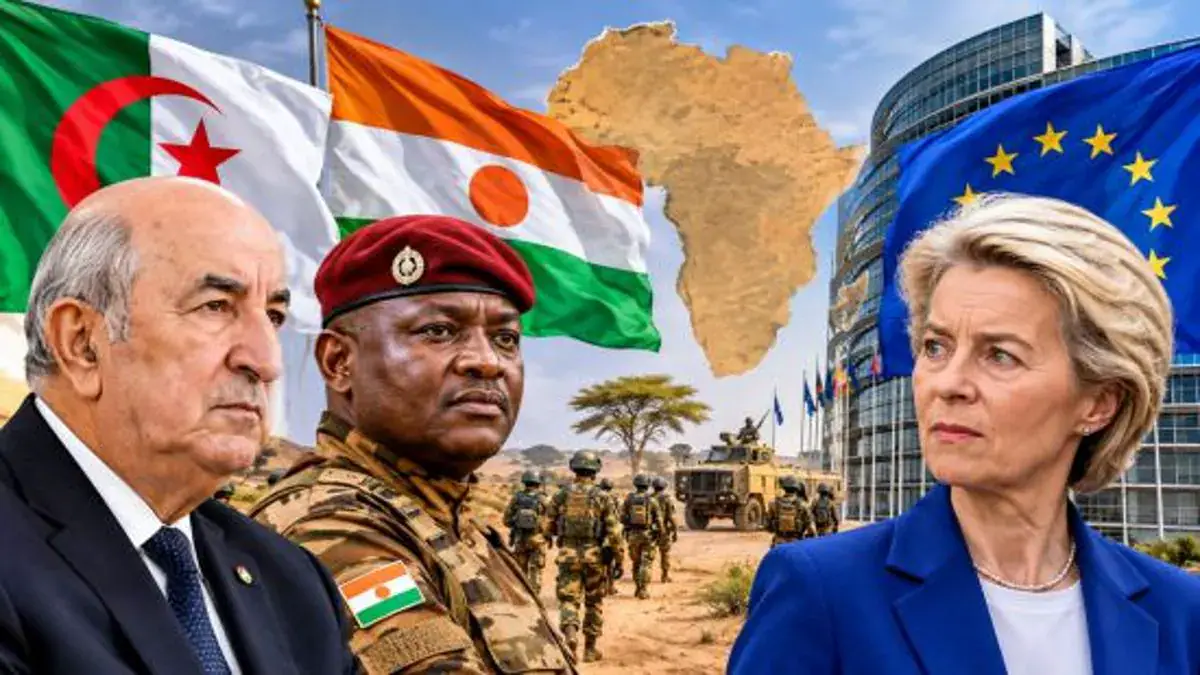
The European Commission's recent request for clarification from Algeria regarding its intervention in Niger has sparked a heated debate about the limits of European involvement in African affairs. Critics argue that the European stance reflects a continued mentality of French guardianship over the Sahel region, as African countries seek to regain control over their security and political decision-making. This development has raised questions about the European Union's approach to international issues and its commitment to respecting the sovereignty of African nations.
The dispute centers on the notion of national sovereignty, with Algeria and Niger asserting their independence in making decisions about their own affairs. Proponents of the Algerian position argue that the country's cooperation with Niger is a legitimate exercise of its sovereignty, driven by shared interests and a common border. They contend that any defense or security collaboration between the two nations, as long as it is based on mutual consent and adheres to domestic and international law, should not be subject to external scrutiny.
The controversy has also highlighted concerns about double standards in European policy, particularly when it comes to international interventions or support for various parties in conflicts. Critics point to European backing for certain actions in Ukraine and Israel as examples of external interventions that have not been subject to the same level of scrutiny and accountability. However, these comparisons are complex and context-dependent, and it is essential to consider the unique circumstances of each situation.
The debate is also influenced by the changing dynamics in the Sahel region, where France's military and political influence has waned in recent years. Several African countries are increasingly assertive about their sovereignty and seeking to redefine their external relationships, moving away from traditional dependencies on European powers. This shift has led to rising tensions and diplomatic challenges, with some European positions appearing to struggle with accepting these changes.
At its core, the discussion revolves around the future of Africa-Europe relations and the ability of both parties to establish a partnership based on mutual respect and equal sovereignty. Africa is no longer a mere arena for international competition or a stage for great powers to settle scores; it comprises nations and institutions with the right to determine their security, political, and economic priorities. Therefore, any European inquiries or positions regarding African actions should prioritize respect for national sovereignty and adhere to clear international law principles.
The Algerian government's stance reflects a broader resistance to what it perceives as attempts to reimpose European guardianship over African decision-making. The country argues that its cooperation with Niger, based on mutual consent and shared interests, should not be subject to external justification or approval. This position underscores the importance of respecting African nations' autonomy in their regional and international engagements.
The outcome of this debate will have significant implications for the future of Africa-Europe relations and the global community's understanding of sovereignty and international cooperation. As the world navigates complex geopolitical dynamics, it is crucial to prioritize respect for national sovereignty, international law, and equal partnerships. The conversation surrounding Algeria, Niger, and European involvement serves as a critical reminder of the need for nuanced and respectful engagement between nations and regions.
Key points
- The European Commission's request for clarification on Algeria's intervention in Niger has sparked debate on African sovereignty and double standards in European policy.
- The controversy highlights concerns about the continued mentality of French guardianship over the Sahel region and the need for equal partnerships between Africa and Europe.
- The debate underscores the importance of respecting African nations' autonomy and sovereignty in their regional and international engagements.
Reporting sources
- هل تعود الوصاية الفرنسية على إفريقيا؟ · Al-Massaa