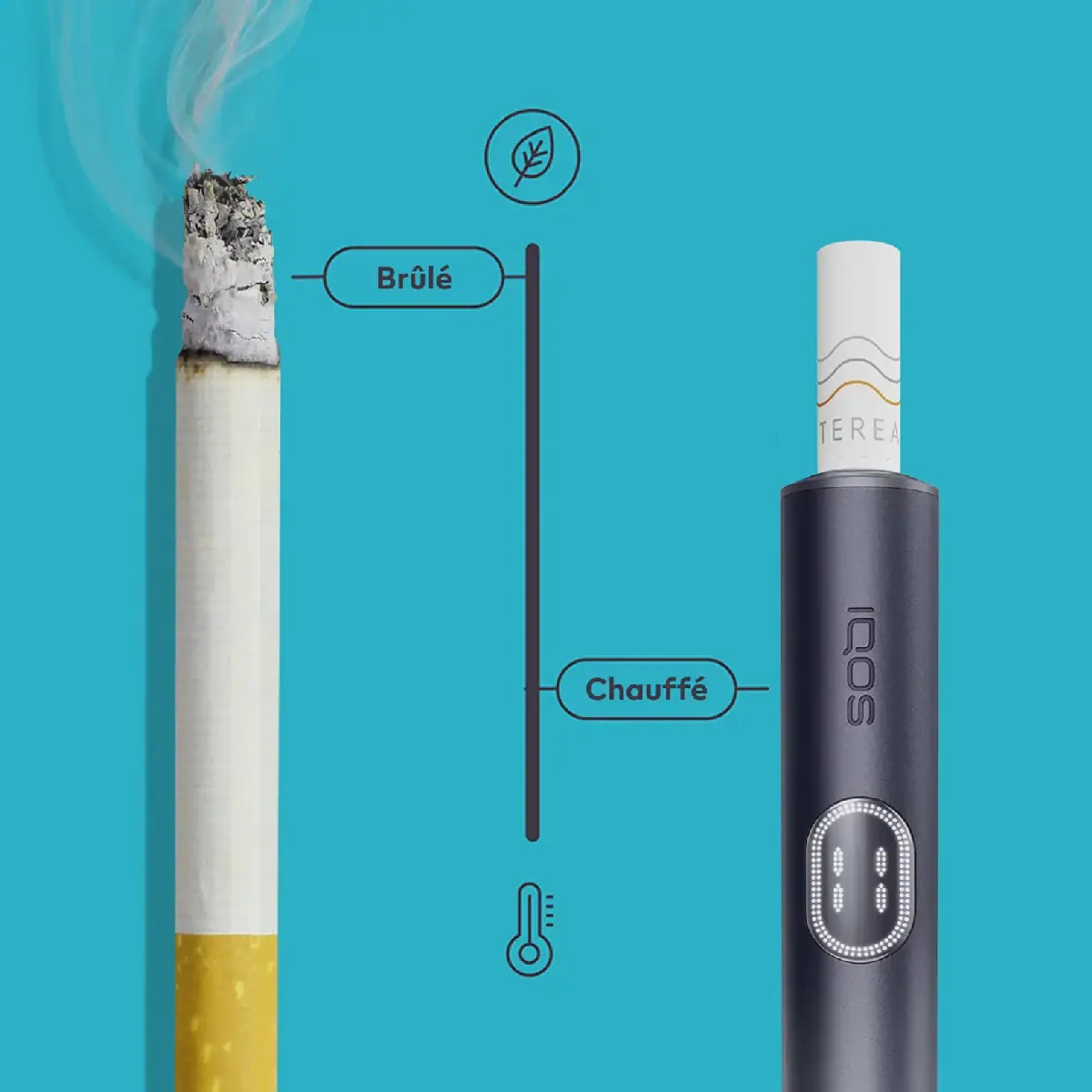
On November 19, 2026, Philip Morris International hosted its annual Technovation event in Dubai, bringing together experts to discuss the future of tobacco consumption. The event featured five panels, focusing on marketing, consumption, medical aspects, and other related issues. The discussions centered around the idea of transitioning from smoking tobacco to heated tobacco products. Dubai was chosen as the host city due to its renewed status as a hub for innovation and business.
One of the key debates at the event revolved around the misconceptions surrounding nicotine. Panelists argued that the public often confuses nicotine with tobacco smoking, attributing health risks such as cancer, cardiovascular disease, and respiratory problems directly to nicotine. However, experts clarified that nicotine is primarily an addictive substance, and the main health risks associated with tobacco come from the toxic substances produced by combustion. They emphasized the need for accurate scientific information to be made accessible to the public.
Medical professionals at the event stressed that even if a product is presented as less harmful, it is not entirely safe. They highlighted the importance of clear communication between doctors and patients, ensuring that patients understand the risks associated with these products. The panelists also emphasized that quitting tobacco is still the top priority, and for those who struggle to quit, a combination of medical follow-up and psychological support is recommended. Heated tobacco products were also discussed as a potential alternative.
The CEO of Philip Morris International, Fred de Wilde, outlined three conditions necessary for the development of smokeless alternatives: investment from companies, transparent scientific information, and regulations that allow adult smokers to access these products. He identified a lack of information and indifference from some decision-makers as major obstacles. De Wilde also criticized certain organizations for prioritizing ideological positions over finding concrete solutions.
De Wilde called for greater transparency, dialogue with stakeholders, and communication based on scientific data. He argued that prohibition policies do not necessarily reduce tobacco consumption and urged for the acceleration of smokeless alternative deployment in low- and middle-income countries, where a large proportion of the world's smokers reside. The World Health Organization (WHO) has a different perspective on heated tobacco products.
The WHO has expressed concerns that heated tobacco products contain tobacco and expose users to toxic emissions, many of which are carcinogenic. While these products may have lower concentrations of certain toxic substances compared to cigarette smoke, they also contain other substances that could harm health. The WHO does not consider these products as aids to quitting tobacco and has called for governments to ban flavors in tobacco and nicotine products.
Despite differing views, both the WHO and the tobacco industry agree that 1.3 billion tobacco consumers worldwide, approximately 80%, live in low- and middle-income countries. However, the industry sees these countries as markets for developing alternatives, while the WHO considers these populations particularly vulnerable and advocates for strengthened anti-tobacco measures. The debate on smokeless alternatives is ongoing, with various stakeholders weighing in on the issue.
Key points
- The debate on smokeless alternatives highlights the need for accurate scientific information and transparent communication.
- The WHO and tobacco industry have differing views on heated tobacco products and their impact on public health.
- The development of smokeless alternatives requires investment, transparent information, and regulations that allow adult smokers to access these products.
Reporting sources
- A Dubaï, les alternatives sans fumée font débat · Le Soleil