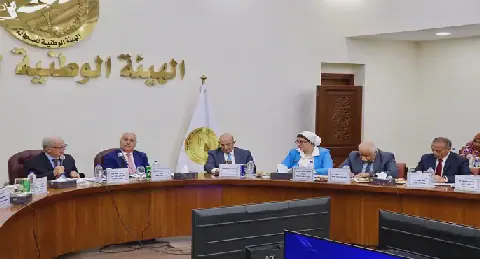
The debate on Rights of Nature has entered the constitutional reform process in Mauritius. A proposal by Rezistans ek Alternativ has initiated discussions within the Constitutional Review Commission. This development aims to redefine the relationship between humans and the environment, emphasizing the intrinsic rights of nature.
The concept of Rights of Nature suggests that natural entities, such as rivers, forests, and wildlife, possess inherent rights to exist, thrive, and evolve. This idea challenges traditional anthropocentric views, which prioritize human interests above all else. By integrating Rights of Nature into the constitution, Mauritius could set a precedent for environmental protection and sustainability.
Rezistans ek Alternativ, a Mauritian organization, has been advocating for the Rights of Nature. They argue that recognizing the intrinsic value of nature is crucial for addressing environmental degradation and promoting sustainable development. This perspective aligns with global trends, as several countries have already incorporated similar provisions into their legislation.
The Constitutional Review Commission in Mauritius has been tasked with examining the country's constitution and making recommendations for reform. The inclusion of Rights of Nature into the constitution would require a significant shift in the country's approach to environmental governance. It would also involve revising existing laws and policies to ensure consistency with the new constitutional provisions.
Environmental stakeholders and experts in Mauritius have welcomed the proposal, highlighting its potential to enhance environmental protection and promote sustainable development. They argue that recognizing the Rights of Nature would provide a framework for balancing human needs with environmental conservation. This, in turn, could contribute to preserving Mauritius' unique biodiversity and natural resources.
The debate on Rights of Nature in Mauritius has sparked discussions about the role of citizens in environmental governance. It has also raised questions about the balance between economic development and environmental protection. As the Constitutional Review Commission continues its work, it will be essential to consider the perspectives of various stakeholders, including local communities, businesses, and civil society organizations.
The outcome of this debate will have significant implications for Mauritius' environmental future. If the Rights of Nature are incorporated into the constitution, it could set a precedent for other countries in the region. Ultimately, the decision will depend on the government's commitment to environmental protection and sustainable development.
Key points
- The proposal to include Rights of Nature in Mauritius' constitutional reform aims to redefine the relationship between humans and the environment.
- Rezistans ek Alternativ has been advocating for the Rights of Nature, emphasizing its importance for environmental protection and sustainable development.
- The Constitutional Review Commission will play a crucial role in determining the fate of the proposal and its potential implications for Mauritius' environmental governance.