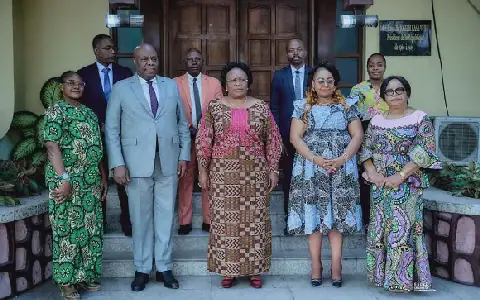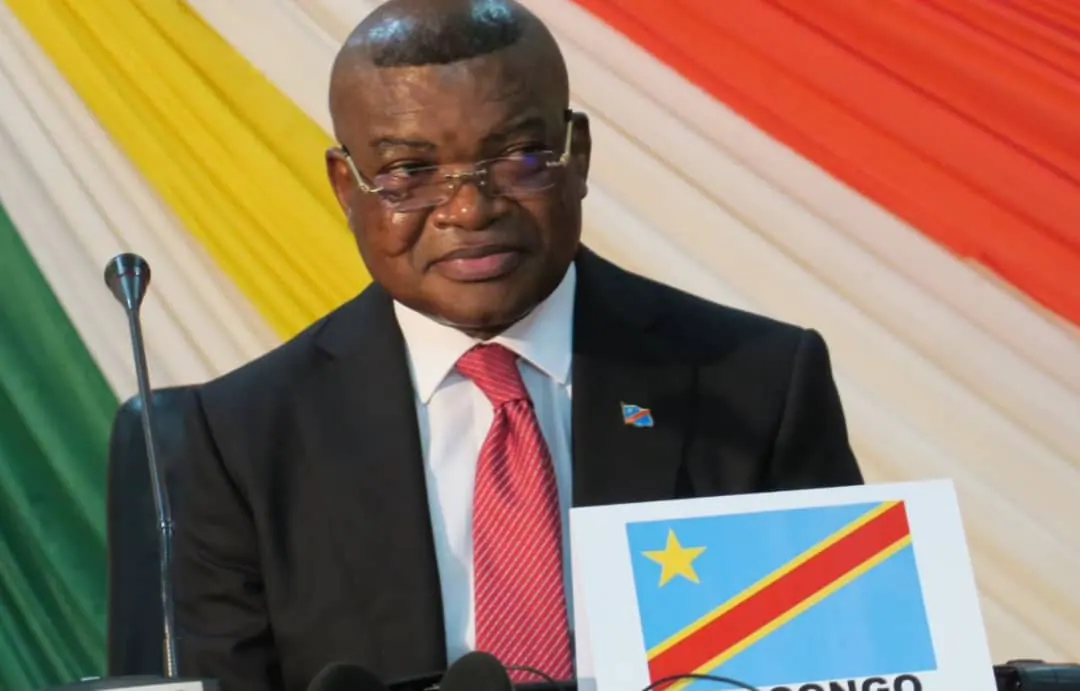
Kalev Mutond, the former head of the Democratic Republic of Congo's National Intelligence Agency (ANR), passed away in Paris on October 4 at the age of 69. Mutond was a highly influential figure during the regime of Joseph Kabila, earning the nickname "Super Policeman" for his role in leading the country's intelligence services. His death has sparked a wave of reactions in the DR Congo, with many taking to social media to share their thoughts on his legacy.
Mutond's tenure as head of the ANR, which he led from 2011 to 2019, was marked by controversy and criticism. Many accused the agency of arbitrary arrests, torture, and kidnappings during his leadership. His name was often linked to sensitive political and security issues, and he was considered one of the most powerful and discreet figures in the Kabila regime. As a result, Mutond faced numerous criticisms and accusations from opponents, activists, and former detainees.
Born on March 3, 1957, Mutond gradually rose through the ranks of the Congolese security apparatus before being appointed to lead the ANR. During his eight-year tenure, he was a key figure in the country's intelligence services, with his name frequently mentioned in connection with high-profile cases. However, his influence also led to numerous criticisms and complaints, both domestically and internationally.
The international community took notice of the controversies surrounding Mutond, with the United States imposing sanctions on him. The European Union also adopted restrictive measures against several Congolese officials, including Mutond, citing human rights abuses and his alleged role in suppressing critical voices during the Kabila regime. These sanctions reflect the international community's concerns about Mutond's legacy and the impact of his actions on human rights in the DR Congo.
Following his departure from the ANR in 2019, Mutond maintained a relatively low profile. However, his name remained closely associated with the Kabila era and the political tensions that characterized that period. His death in Paris has reignited debates about his legacy and the impact of his time as head of the ANR.
Reactions to Mutond's death have been mixed, with some viewing him as a symbol of a security apparatus accused of numerous abuses, while others remember him as a strategic leader who played a critical role in the country's intelligence services. On social media, many have expressed hostile sentiments, cursing his memory and recalling the perceived injustices of his tenure.
As the DR Congo continues to grapple with the complexities of its past, Mutond's death serves as a reminder of the country's ongoing efforts to come to terms with its history. His legacy, marked by both influence and controversy, will likely continue to be debated by Congolese citizens and international observers alike.
Key points
- Kalev Mutond's death has sparked controversy and mixed reactions in the DR Congo, reflecting his complex and contentious legacy.
- Mutond's tenure as head of the ANR was marked by accusations of human rights abuses, arbitrary arrests, and torture.
- The international community imposed sanctions on Mutond, citing human rights abuses and his role in suppressing critical voices during the Kabila regime.