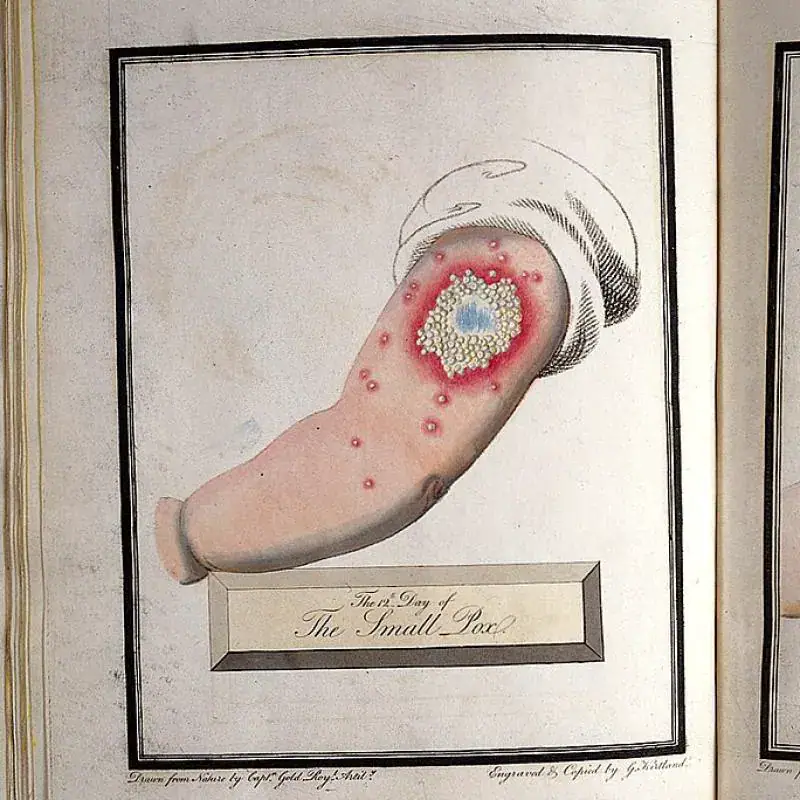
The smallpox epidemic that ravaged France between 1870 and 1871 was a devastating health crisis that claimed the lives of 200,000 soldiers and civilians. This highly contagious disease was a major public health concern in 19th-century France, alongside typhus and cholera. The epidemic was not an isolated incident but rather the culmination of a long-standing problem that had been exacerbated by the movement of people and inadequate vaccination efforts.
In the years leading up to the epidemic, smallpox was still widely prevalent in France. Despite the introduction of vaccination at the turn of the century, mortality rates had declined but still remained high. The disease was often spread through poor sanitation, inadequate vaccination, and the movement of people. Many people suffered from the disease, with some being left with severe scarring on their faces and bodies.
The epidemic began to take hold in late 1869, with Paris and several other regions being affected. A medical congress was held in Paris in the spring of 1870 to discuss the growing concern of smallpox. The press began to sound the alarm, and vaccination efforts were renewed. However, the outbreak of the Franco-Prussian War in July 1870 further complicated the situation, as the movement of troops and the gathering of soldiers in hospitals and barracks facilitated the spread of the disease.
The hospitals were severely affected, with a significant increase in smallpox cases reported in September 1870. The mortality rate among soldiers was alarmingly high, with an estimated 150,000 cases and over 23,000 deaths reported by early autumn. The disease spread rapidly, with outbreaks reported in several departments in the west, northeast, and along the corridor connecting Lorraine to Brittany.
The response to the epidemic varied across the country. In Paris and other large cities, vaccination efforts were intensified, and people were urged to get vaccinated. However, in rural areas, the response was less effective, and the disease continued to spread. The satirical newspaper Le Tintamarre even published a cynical article celebrating the spread of smallpox, suggesting that it would help alleviate some of the daily problems faced by the population.
The epidemic worsened as the war turned in favor of the Germans, and the regrouping of soldiers in camps facilitated the spread of the disease. The authorities faced significant challenges in distinguishing between casualties caused by combat and those caused by disease. As soldiers returned home, they brought the disease with them, further exacerbating the crisis.
By the beginning of 1871, smallpox had become a national crisis, with the disease spreading rapidly across the country. The authorities and medical professionals were working to contain the outbreak, but their efforts were hindered by the ongoing war and the limitations of the vaccination efforts. The epidemic would ultimately claim the lives of 200,000 people, leaving a lasting impact on public health policies in France.
Key points
- The smallpox epidemic between 1870 and 1871 killed 200,000 people in France.