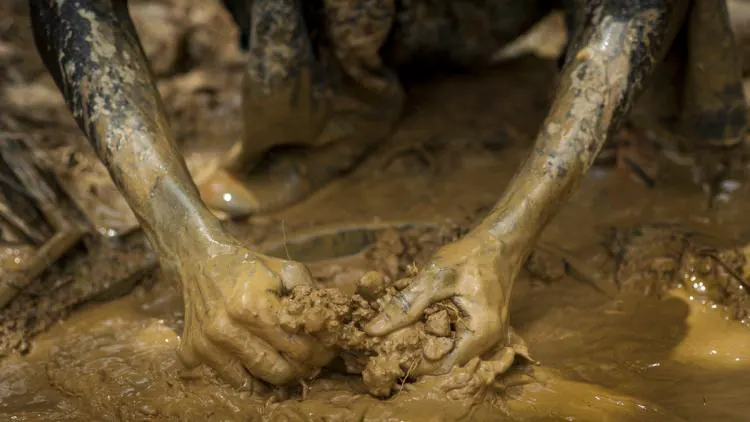
A devastating gold mine collapse occurred on September 15 in the Kordofan region of southern Sudan, resulting in a significant loss of life. The disaster has claimed over 80 lives and injured around 50 people, with many more potentially trapped under the debris. Rescue operations were ongoing with limited resources, and the death toll is expected to rise. The incident has sparked concerns about the safety of artisanal mining in Sudan.
The Kordofan region, rich in mineral resources, is home to numerous unofficial and poorly secured mining operations. The area is controlled by the Rapid Support Forces (RSF) of General Mohamed Hamdan Daglo, also known as Hemetti. The RSF and the Sudanese army, led by General Abdel Fattah al-Burhan, have been embroiled in a brutal conflict for over three years, resulting in a severe humanitarian crisis.
Artisanal mining is a significant concern in Sudan, with many mines operating without proper safety measures. The risk of collapse is high, particularly during the rainy season. In countries with effective governance, this type of mining is often banned or restricted during periods of high risk. However, in a failed state like Sudan, where the authorities are preoccupied with the conflict, such incidents are more likely to occur.
Many Sudanese citizens have turned to artisanal mining as a means of survival due to the country's severe economic and humanitarian crisis. The conflict has left nearly 20 million people facing food insecurity, according to the United Nations. The lack of effective governance and control has allowed the exploitation of Sudan's gold resources to flourish, often with devastating consequences.
Sudan is one of Africa's largest gold producers, but the majority of its gold is extracted through informal channels. This has led to concerns about the involvement of various actors in the trade, including those implicated in the conflict. The gold trade is worth several billion dollars, and both the Sudanese army and the RSF are believed to benefit from it.
The international community has taken steps to address the issue, with the UK and EU announcing sanctions on the Sudanese gold trade in July. These measures aim to prevent the trade from fueling the conflict and to ensure that Sudan's gold resources benefit its citizens rather than perpetuating the crisis. Further initiatives may be necessary to address the root causes of the problem.
The gold mine collapse in Kordofan has highlighted the urgent need for Sudan to address the issue of artisanal mining and to ensure that its natural resources are exploited in a safe and sustainable manner. The incident has also underscored the need for the international community to support efforts to promote peace, stability, and economic development in Sudan.
Key points
- The gold mine collapse in Sudan's Kordofan region has resulted in over 80 deaths and dozens of injuries, highlighting the dangers of artisanal mining in the war-torn country.
- The incident has sparked concerns about the safety of artisanal mining in Sudan and the involvement of various actors in the gold trade.
- The international community has taken steps to address the issue, including sanctions on the Sudanese gold trade, aimed at preventing the trade from fueling the conflict.