South Africa's parliamentary oversight process is facing significant delays, with 49 government departments and public entities yet to submit their annual reports. The reports, which were due on September 30, provide crucial information on an institution's financial performance, service delivery, and progress against its annual plans. Without these reports, parliament's ability to scrutinize the executive and ensure that public money is being used effectively is severely impaired. The delays have a negative impact on parliament's constitutional mandate, slowing down the scrutiny process.
The outstanding reports include those from key institutions such as the National Prosecuting Authority (NPA), SABC, Broadband Infraco, Telkom, Passenger Rail Agency of South Africa (Prasa), and the Road Traffic Infringement Agency. Other institutions, including the National Youth Development Agency (NYDA), National Health Laboratory Service (NHLS), and the Public Service Commission, are also yet to submit their reports. In contrast, some departments, such as the department of correctional services and the department of police, submitted their reports on time, with the latter submitting on September 30.
The annual reports are a central part of parliament's oversight of the executive, allowing committees to question ministers and accounting officers about the use of public money. When reports are not available, committees cannot interrogate an institution's performance using the full set of information that should have been submitted to parliament. This can affect the timing of committee hearings, oversight reports, and recommendations on corrective action. The delays can also impact the public's ability to hold government institutions accountable for their use of budgets and delivery on commitments.
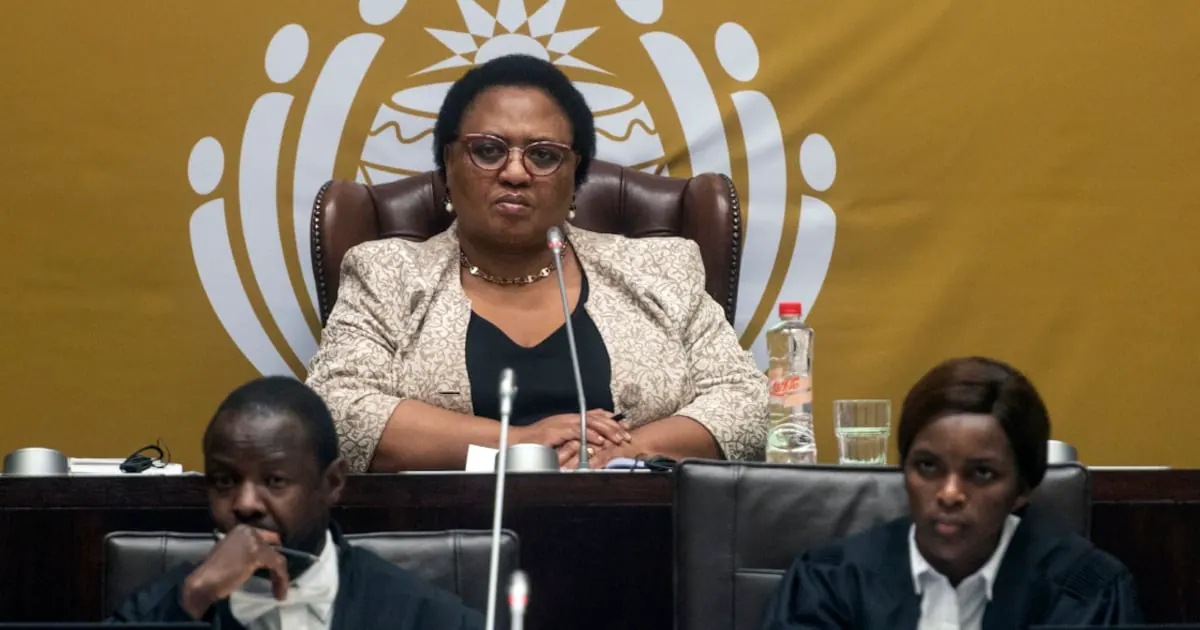
Parliament spokesperson Moloto Mothapo stated that ministers and other accounting authorities that were unable to table their reports on time had written to speaker Thoko Didiza explaining the delays. The speaker considers the late tabling as non-compliance with legislation and the constitutional imperative for transparency. The explanations for the delays are tabled in the same public parliamentary paper as the reports, allowing committees to consider them in open meetings.
By October 7, 13 written explanations for late tabling had been received by parliament, covering institutions such as SAA, SABC, NYDA, and Prasa. However, the document provided does not contain the substantive reasons given by the institutions for the delays. Other institutions, such as the department of human settlements and several entities in its portfolio, submitted their reports after the deadline, with some submitting as late as October 7.
The backlog of outstanding reports extends beyond departments to public entities and institutions responsible for major public functions. The list of outstanding reports includes Prasa, which operates passenger rail services, SABC, the public broadcaster, and Broadband Infraco, which provides broadband infrastructure. The annual reports allow parliament to move from broad policy commitments to detailed scrutiny of what institutions actually delivered during the financial year.
The delays do not prevent parliament from eventually scrutinizing an institution, but they disrupt the timetable through which that scrutiny is meant to take place. The speaker's decision to refer explanations for late reports to committees means that the delays themselves can become the subject of parliamentary oversight. As a result, parliament will have to conduct part of its oversight work without information that should already have been available by the end of September.
Key points
- 49 government departments and public entities have missed the deadline to submit their annual reports to parliament.
- The delays will impact parliament's ability to scrutinize the executive and ensure that public money is being used effectively.
- The outstanding reports include those from key institutions such as the National Prosecuting Authority, SABC, and Prasa.