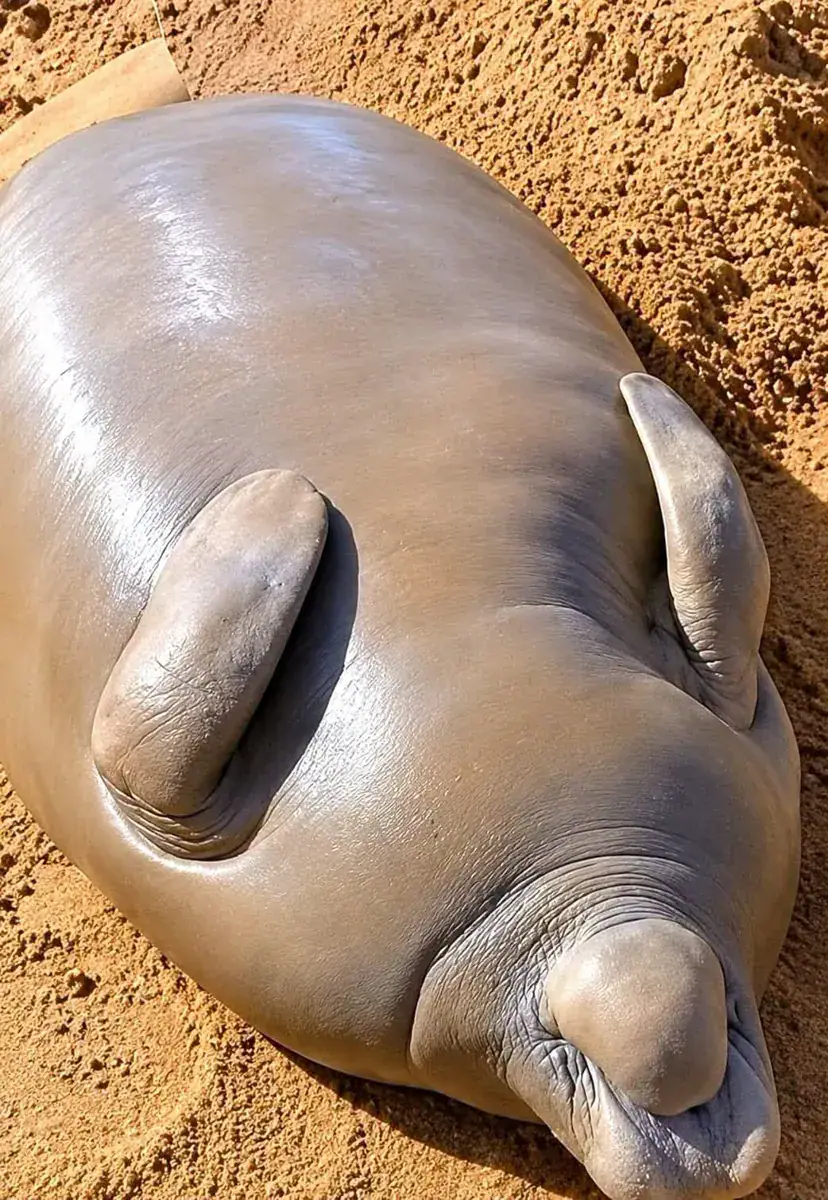
A dead West African manatee (Trichechus senegalensis) was discovered on the bank of the Niger River in Koulikoro, Mali, on November 24, 2026. The animal was already deceased and showed signs of putrefaction. The body was incinerated by agents from the Eaux and Forêts department. The cause of death has not been officially determined, but the circumstances of the discovery raise concerns about the threats to the species and the river's ecosystem.
The discovery was made in an area where sand and gravel are being extracted from the river. This has raised questions about the potential impact of human activities on the aquatic habitat and the manatee's well-being. The West African manatee is listed as vulnerable on the IUCN Red List and is protected under Malian law (Law No. 2018-036 of June 27, 2018). It is also included in Annex I of the CITES convention, which regulates international trade in endangered species.
Several factors could have contributed to the manatee's death, including water pollution, habitat degradation, collisions with motorized boats, and accidental capture in fishing nets. The Malian authorities, local communities, and conservation organizations must work together to investigate the cause of death and take measures to protect the species and its habitat. An investigation into the circumstances of the death is necessary to determine the cause and prevent similar incidents in the future.
The West African manatee is an iconic species in African river ecosystems. Its decline could have significant ecological implications, as it plays a vital role in maintaining the balance of the ecosystem. The Niger River is an essential resource for many communities in Mali, providing water, fish, and other livelihoods. Protecting the river and its biodiversity is crucial for the well-being of both humans and wildlife.
The discovery of the dead manatee highlights the need for increased vigilance and conservation efforts in the region. The Malian government, local authorities, and conservation organizations must work together to monitor the river and its inhabitants, enforce existing laws and regulations, and address the root causes of habitat degradation and pollution.
The incident serves as a reminder of the importance of protecting the Niger River and its ecosystem. The death of the manatee should not be dismissed as a simple incident, but rather as a warning sign of the potential threats to the river's biodiversity. It is essential to take a proactive approach to conservation, addressing the concerns of local communities and stakeholders while protecting the environment and the species that depend on it.
The investigation into the manatee's death is ongoing, and it is unclear whether any samples were taken or veterinary expertise was sought before the body was incinerated. The incident underscores the need for a comprehensive approach to conservation, including research, monitoring, and community engagement, to protect the West African manatee and the Niger River ecosystem.
Key points
- The West African manatee is listed as vulnerable on the IUCN Red List and is protected under Malian law.
- The cause of the manatee's death has not been officially determined, but human activities such as water pollution, habitat degradation, and accidental capture in fishing nets are potential contributing factors.
- The incident highlights the need for increased conservation efforts and vigilance in the region to protect the Niger River ecosystem and its inhabitants.